Nexo Wins Australia Lending Authorization for Crypto Credit Lines

Latest in Bitcoin Wallets
Nexo Wins Australia Lending Authorization for Crypto Credit Lines
Trump Team Transfers $16.9M in TRUMP Tokens to Custody Wallets
Cosmos’ Leap Wallet Is Shutting Down—Users Urged to Act
Dormant Bitcoin Wallet Continues Distribution With $33M Transfer to Binance
Not All Bitcoin Wallets at Risk From Quantum Attacks, Report Says
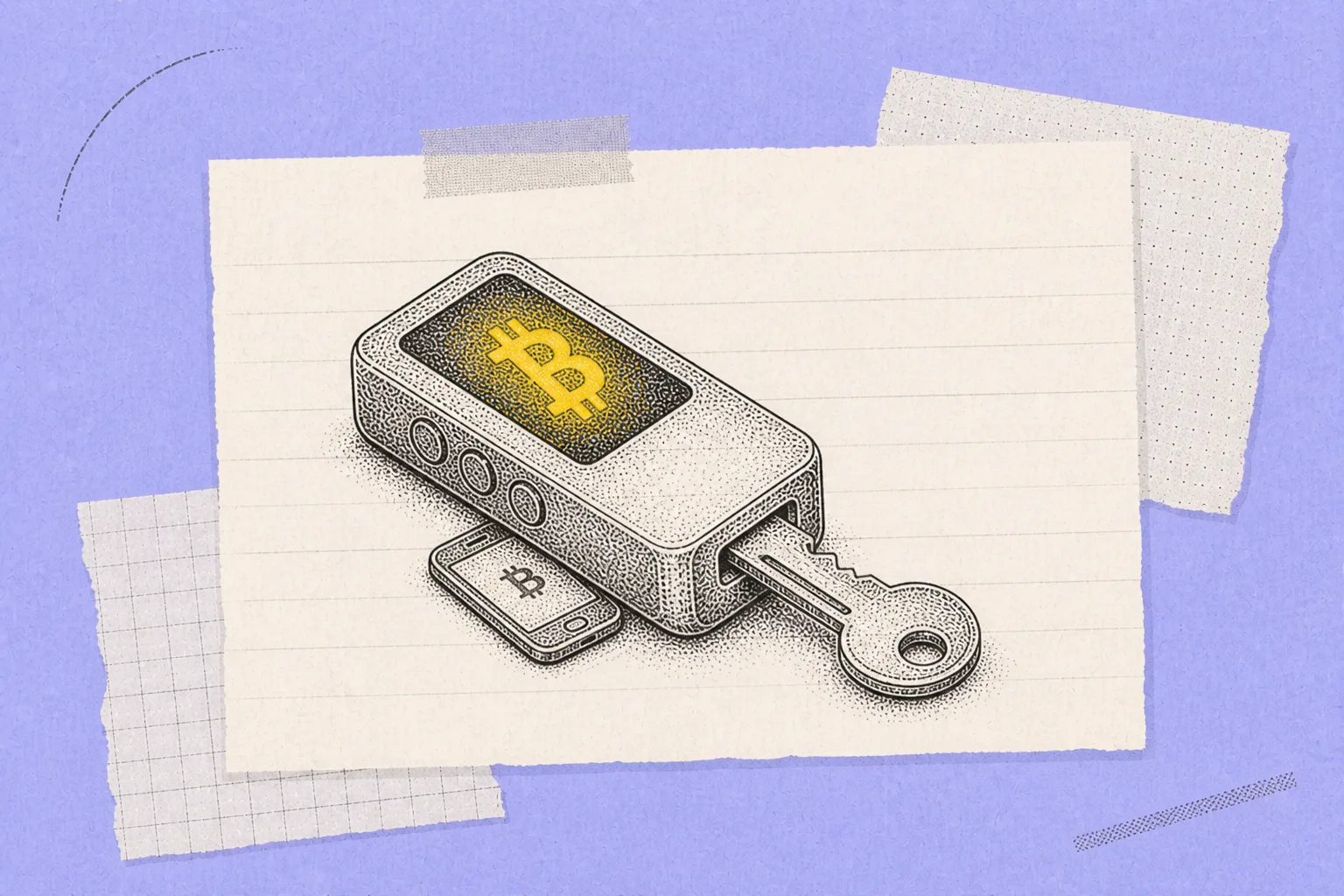
Bitcoin ownership comes with a unique responsibility of protecting your private keys.. Unlike traditional bank transfers, Bitcoin transactions cannot be reversed once executed, and if funds get lost or stolen, there is no easy way to recover them. For that reason, choosing the right storage method is one of the most important decisions for any investor. From mobile apps to hardware devices, there are many options available on a Bitcoin wallet’s list.
Each wallet offers a different balance of convenience, control, and protection. While some users prefer a secure Bitcoin wallet for everyday transactions, others rely on Bitcoin cold storage to protect long-term holdings from online threats. Understanding how different wallets work and following proven security practices can help reduce risk and keep your Bitcoin safe over time.
A Bitcoin wallet stores the private keys that allow users to access their digital currency on the blockchain. There are various types of wallets, but the three main types of wallets are hosted, self-custody, and hardware wallets. Each has its own pros and cons regarding convenience, security and control. Ultimately, wallet choices depend on how a user intends to use Bitcoin and how much control they would like to have over its security.
Hosted wallets are the easiest and most popular of wallet types. When a trader purchases Bitcoin through a cryptocurrency exchange, the funds are often stored in a wallet managed by the exchange. Think of it as similar to having a checking or savings account, where a third party has access to the funds.
In a scenario where a user forgets their account password, the platform can assist in recovering the account. Also, users do not have to worry about managing and safeguarding their private keys or recovery phrases.
To create a hosted wallet, follow these simple steps:
For beginners, hosted wallets are usually the easiest way to get going.
A self-custody wallet allows users to store and manage their cryptocurrency with complete control over their private keys at all times. These wallets are considered to be safer as controlling private keys ensures ownership of crypto assets associated with the wallet. Self-custody wallets also ensure the privacy of transactions and freedom to execute them, among other benefits. However, with self-custody, tokens can be lost forever if the private key or recovery phrase is lost. In addition, holdings are vulnerable to theft, as anyone who obtains the private keys controls the wallet. Because of this, it is important to store and secure credentials for a self-custody wallet.
Creating a self-custody wallet generally involves the following steps:
The most valuable asset to protect when setting up a self-custody wallet is the recovery phrase. Without it, account recovery is typically impossible.
A hardware wallet is a small, physical device for storing private keys offline. Usually, the size of a USB stick, the device keeps sensitive information disconnected from the internet.
Many investors use hardware wallets for storing funds long-term because of the protection against online hacking. Related: The chivo wallet in el salvador is again being problematic. Even if a computer is compromised, private keys stored on a separate device are safe. The trade-off is a higher upfront cost and a prolonged setup process. Hardware wallets are often used for Bitcoin cold storage, particularly by users with large holdings.
Setting up a hardware wallet usually requires a few additional steps:
As discussed already, there are many types of wallets for Bitcoin holders to choose from. Some users opt for hosted wallets because of their simplicity, while others value the control offered by self-custody solutions. Then there are hardware wallets for those who value the security of their Bitcoin holdings above all else. In practice, many investors use a combination of wallets rather than just a single type. While hosted wallets are more suited for daily transactions, long-term holdings would be much safer in a hardware wallet. Each of these wallets has different benefits, and choosing the ‘correct’ wallet depends on users’ personal preferences and requirements. Regardless of the type of wallet one uses, good password practices, 2FA, and backups are key to protecting their holdings.
Choosing between a hot wallet and a cold wallet is one of the most important decisions when managing Bitcoin. The two options store private keys and provide access to Bitcoin assets, but they follow different approaches and are used for different reasons. Knowing how each type works can help users make an informed decision about striking a balance between security and convenience.
A hot wallet is a software-based wallet that is connected to the internet. Users can install it on a computer, tablet, or phone and access their funds on demand. Because it remains connected, sending and receiving Bitcoin is typically quick and easy.
Many beginners also favor hot wallets because they’re easy to set up, with most platforms guiding users through the process within minutes. Ease of use from different devices also adds convenience for daily wallet usage.
While it comes with its own benefits, being always connected to the internet is a vulnerability. As private keys and recovery phrases are generated and stored online, hot wallets are more susceptible to malware, phishing and other online fraud. Yet for users who execute many transactions, a hot wallet can still be the most suitable choice. Many consider it the best option for a Bitcoin wallet used for everyday payments and smaller holdings.
A cold wallet keeps your private keys offline. Also covered: Mastercard partners with asian financial firms to establish prepaid crypto. Usually, they are designed as standalone hardware devices aimed at keeping sensitive information off internet-connected devices. Since private keys remain offline, a cold wallet gives you greater protection from online attacks. Hackers cannot directly obtain keys stored on a device that isn’t connected to the internet. Hence, many long-term investors use cold wallets.
Getting access to the assets from a cold wallet requires the extra step of connecting the device to a machine or approved application. While this process takes more time, many are willing to make that tradeoff for the added protection. Investors holding larger amounts tend to view Bitcoin cold storage as the best long-term solution.
Cold wallets and hardware wallets lower the risk of exchange or custodian failures by keeping private keys offline. However, device support for a specific asset is not guaranteed. Integrations depend on each vendor’s rollout schedule, so always confirm that your coin and network are supported before using a device. Safe transfers also require good security habits: verify the address carefully, send a small test amount first, confirm the correct network, and never reuse an unchecked destination address.
Hot wallets offer speed, convenience, and easy access. Users can manage Bitcoin from almost anywhere with an internet connection. These features make them suitable for regular transactions and active traders.
Cold wallets focus on security. Keeping private keys offline reduces exposure to many common cyber risks. However, using them is less convenient for day-to-day transfers. Consequently, neither option is perfect, and each serves a different purpose depending on how Bitcoin is being used.
Personal goals often determine the right wallet type. Users who send and receive Bitcoin frequently may prefer a hot wallet because of its accessibility. Those focused on preserving assets over the long term or holding large sums may lean towards a cold wallet. Many people searching for a secure Bitcoin wallet compare both options before making a decision. Transaction habits, portfolio size, and security preferences all play a role.
Many Bitcoin owners use a combination of hot and cold wallets instead of choosing just one. Hot wallets can hold funds usually needed for everyday expenses, while cold wallets hold balances intended for long-term storage. This gives the user the best of both worlds, keeping their Bitcoins available for everyday use without compromising their safety. Keeping spending amounts very different from long-term holdings adds a practical layer of security.
Choosing the best Bitcoin wallet as a beginner essentially comes down to ease of use, security and ease of access. The wallet should help new users navigate easily while still securing their digital holdings. Factors like ratings, its features, and its storage solution are good options to lean on.
Bluewallet is a Bitcoin wallet that is easy for first-time cryptocurrency users. The wallet is primarily aimed at Bitcoin users and supports the Lightning Network to enable faster, cheaper transactions. As a self-custody wallet, users have full control over their private keys. BlueWallet also supports multi-signature and enables the creation of multiple wallets.
BlueWallet has ratings of 4.0/5 on the Apple App Store and 4.2/5 on Google Play.
Pros
Cons
Exodus comes with a user-friendly interface that makes tracking more than 300 supported cryptocurrencies easy. Its desktop, browser and mobile versions let newcomers easily manage portfolios, swap assets and gain customer support from a single platform. Exodus also accommodates its users’ need for enhanced security by enabling them to link their Exodus wallet to Trezor hardware devices.
Exodus has a rating of 4.6/5 on the Apple App Store and 4.2/5 on Google Play.
Pros
Cons
Coinbase Wallet, now Base app, provides access to thousands of cryptocurrencies and decentralized applications. Unlike keeping funds on an exchange, the wallet gives users direct control of their assets. Educational guides and tutorials make it attractive for beginners who are still learning about cryptocurrency. Integration with hardware wallets also adds another layer of protection.
Coinbase Wallet holds a rating of 4.7/5 on the Apple App Store and 4.6/5 on Google Play.
Pros
Cons
Crypto.com Wallet offers access to decentralized finance tools, NFT storage and token swaps across multiple blockchains. New users benefit from a straightforward sign-up process and support for over 1,000 cryptocurrencies. Security features include biometric authentication, Secure Enclave technology, and two-factor authentication.
Crypto.com Wallet has a rating of 4.7/5 on the Apple App Store and 4.5/5 on Google Play.
Pros
Cons
Beginners who plan to hold Bitcoin for years may eventually consider Bitcoin cold storage. Hardware wallets store private keys offline, reducing exposure to online threats.
Trezor is a popular open-source option that supports thousands of cryptocurrencies and offers strong offline protection. Ledger remains another leading choice, providing DeFi access, NFT support, and Bluetooth connectivity.
For users seeking a secure Bitcoin wallet, combining a beginner-friendly hot wallet with a hardware wallet can provide both convenience and protection.
Every wallet serves a different purpose. BlueWallet excels in simplicity, Exodus offers accessibility, Coinbase Wallet provides educational support, and Crypto.com Wallet opens the door to DeFi services. Reviewing a trusted Bitcoin wallet list and matching wallet features to personal needs can help beginners select the best Bitcoin wallet for their goals.
Safeguarding Bitcoin requires more than choosing a wallet and storing funds. Many security breaches happen because of simple mistakes that expose sensitive information. Even experienced users can make errors that leave their assets vulnerable.
A report from Kraken published in October 2025 found that while 95% of crypto users take at least one security precaution, many still reuse passwords or store recovery phrases in unsafe locations. Small oversights often create opportunities for attackers.
One of the most common mistakes involves storing seed phrases on phones or cloud services. Many users keep screenshots of their recovery phrases or save them in note-taking applications for convenience. Others rely on cloud backups, believing their accounts are secure.
Cybercriminals frequently target these storage methods. Malware can scan devices for sensitive information, while compromised cloud accounts may expose recovery phrases without the owner realizing it. Keeping recovery information offline remains a much safer choice.
Another major issue is relying entirely on software wallets. Hot wallets offer quick access to funds and support daily transactions. However, they remain connected to the internet through browsers or mobile applications. That constant connectivity increases exposure to malicious software, phishing attempts, and compromised websites. For larger holdings, many investors prefer Bitcoin cold storage solutions or a secure Bitcoin wallet that stores private keys offline.
Sharing private keys or passphrases remains one of the fastest ways to lose access to crypto assets. Fraudsters often pose as support representatives, project administrators or trusted community members. Their goal is to convince users to reveal information that grants direct access to funds. Anyone with a private key or recovery phrase can control the wallet. However, legitimate services never ask users to share these credentials.
Fake websites remain one of the most effective tools used by scammers. Attackers create domains that closely resemble legitimate platforms. Sometimes only a single character differs from the original address. Users who fail to verify URLs carefully may unknowingly enter passwords or approve wallet connections on fraudulent websites. Many phishing attacks begin through direct messages, fake support requests, sponsored advertisements or compromised social media accounts.
Public Wi-Fi networks present another overlooked risk. Connections in airports, hotels, cafes, and co-working spaces may appear harmless. Yet attackers can monitor network activity or redirect users to malicious pages. Logging into exchange accounts or accessing a best Bitcoin wallet on unsecured networks increases exposure to theft attempts. Trusted networks provide better protection when handling crypto transactions.
Many users still depend solely on passwords to protect their accounts. Passwords can be stolen through phishing campaigns, data breaches, or malware infections. Two-factor authentication adds another security layer. Even if a password becomes compromised, attackers still need a second verification step before gaining access. For that reason, 2FA remains one of the simplest and most effective account protection tools available.
Security depends as much on user behavior as on technology. Even a wallet featured on a respected Bitcoin wallet list cannot protect someone who exposes recovery phrases, ignores authentication tools or falls for phishing scams. Avoiding these common mistakes can significantly reduce risk and help keep Bitcoin holdings protected over the long term.
Merchant plugins, browser extensions, and payment software can create drain risk if they are compromised, even when users believe their funds are stored in a “wallet.” Wallet vendors can also shut down, so users may need to migrate seed phrases or keys to a supported wallet before support ends. Exit timelines can therefore create a custody risk even when the coins remain on-chain.
Self-custody also does not eliminate policy friction. Proposals that extend exchange-style reporting to large transfers involving non-hosted wallets can create a tradeoff between privacy and AML visibility. Soft-wallet brand funding and regional wallet pushes do not necessarily indicate audited key security either. Users should assess vendor controls separately from marketing claims.
Keeping Bitcoin safe starts with controlling your own private keys. Self-custody gives you direct ownership of your funds without relying on a third party. While many investors buy Bitcoin through exchanges, storing large amounts on those platforms creates additional risk. A safer approach involves moving funds into a personal wallet where only you control access.
Security begins with a simple principle: if someone else holds your private keys, they ultimately control your Bitcoin. Many experienced users transfer their holdings away from exchanges after purchase. Exchange accounts can become targets for hackers, while account restrictions may limit access during unexpected events.
Strong Bitcoin security starts with a few essential practices. First, remember that ownership depends on controlling your private keys. If a third party holds them, your funds remain under their control. Second, move larger holdings offline whenever possible. Hot wallets work well for daily spending, but long-term holdings deserve stronger protection. Finally, never share your seed phrase. Anyone with access to it can recover your wallet and transfer your Bitcoin.
Selecting the right wallet is one of the most important security decisions. Hardware wallets remain the preferred choice for long-term storage. See also: Blockchain launches ledger powered hardware wallet. Often called Bitcoin cold storage, these devices keep private keys offline. Every transaction requires physical confirmation on the device, making remote attacks far more difficult. Many investors view a hardware wallet as the best Bitcoin wallet option for securing larger balances. Since private keys stay disconnected from the internet, exposure to online threats is greatly reduced. One can read more about how secure hardware wallets are in this article.
Software wallets, often called “hot wallets,” offer convenience for everyday transactions. These applications run on smartphones or computers and provide quick access to funds. However, internet connectivity makes them more vulnerable to malware and phishing attacks. Many users only keep smaller balances in these wallets. Paper wallets provide another storage method. They contain printed public and private keys. While immune to online attacks, paper wallets can be lost, stolen or damaged by environmental factors.
A seed phrase acts as the master backup for your Bitcoin wallet. Usually made up of 12 to 24 words, it allows complete wallet recovery if the original device becomes unavailable. Writing the phrase on paper remains safer than storing it digitally. Photos, screenshots, cloud storage, and digital notes create unnecessary risks. If a device becomes compromised, attackers may gain access to your backup.
Some Bitcoin holders use metal backup plates instead of paper. Metal storage offers greater resistance to fire, water, and physical damage. Storage location also matters, so users are advised to keep their recovery phrase in a secure and private location. Home safes and safety deposit boxes remain popular choices for long-term protection.
Additional security measures can further reduce risk. For instance, a passphrase adds another layer beyond the seed phrase. Even if someone discovers the recovery words, they still need the correct passphrase to access the wallet.
Separating critical items also strengthens security. Users should store their hardware wallet and recovery phrase in different locations. And by doing so, they can reduce the chance of losing both through theft or physical damage.
Investors holding significant amounts of Bitcoin often use multi-signature wallets. These wallets require approval from multiple devices before funds can move. As a result, a single compromised device cannot authorize a transaction on its own.
Explore more