
 Bilal Hassan·September 20, 2026
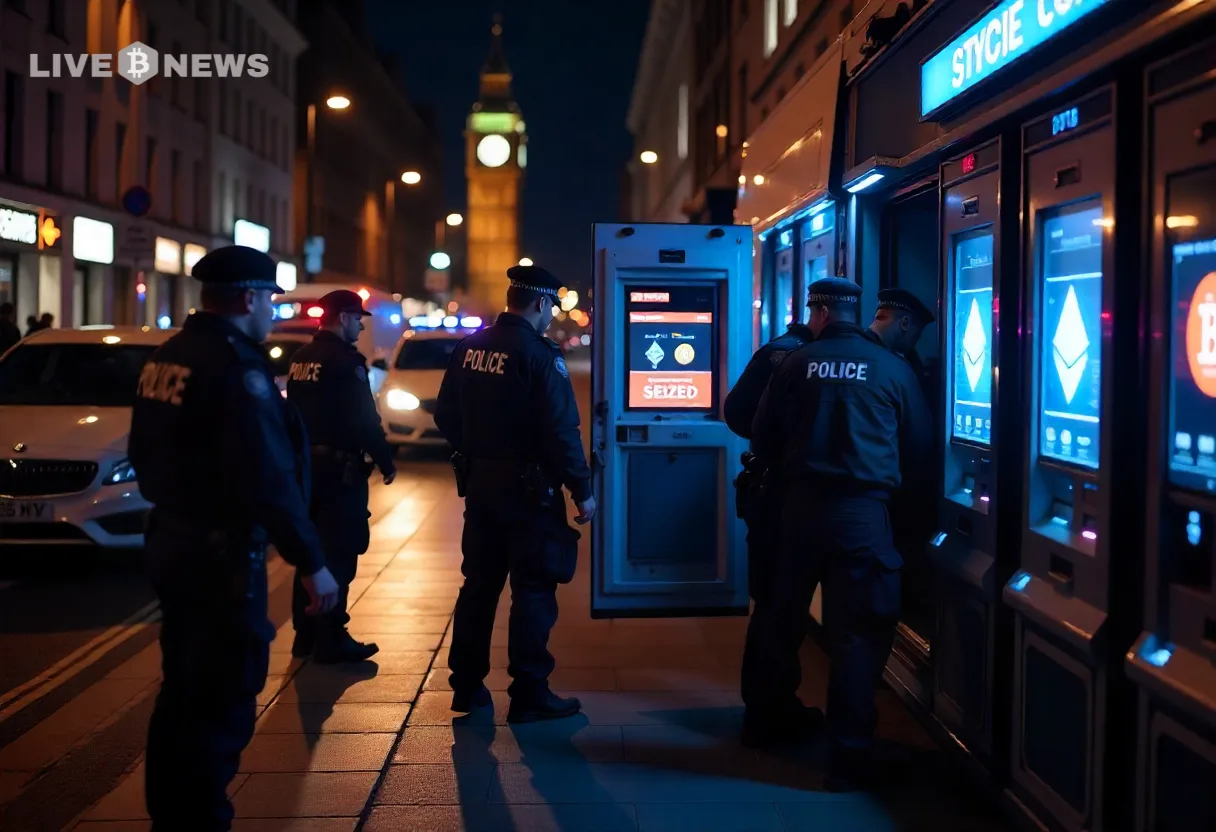
Federal prosecutors have charged two California residents with operating a darknet drug trafficking network that allegedly generated hundreds of thousands of dollars in cryptocurrency from fentanyl and methamphetamine sales.
Authorities claim the pair used crypto transactions to conceal illicit proceeds while distributing narcotics across the United States through the postal system.
A federal grand jury in the Southern District of Florida indicted Los Angeles residents Nicholas Aguilar, 44, and Jessica Marcolina, 37, on July 15, 2026, on charges of drug trafficking and laundering cryptocurrency proceeds.
According to a U.S. Department of Justice statement, the defendants allegedly operated vendor accounts under the name “HotGirlzClub” across multiple darknet marketplaces. Prosecutors said the operation distributed fentanyl and methamphetamine to customers nationwide, including in South Florida.
Authorities allege the pair used cryptocurrency transactions to disguise the source and ownership of proceeds generated from the illegal drug sales. Investigators claim the laundering activity involved hundreds of thousands of dollars in digital assets.
Court documents state the operation began as early as 2020 and continued until the defendants were arrested. During a seven-month period in 2025, law enforcement linked more than 500 mailed parcels containing suspected narcotics to the alleged network.
Searches conducted at the defendants’ California residences uncovered suspected controlled substances, packaging materials, shipping supplies, electronic devices, fraudulent identification documents, and several firearms.
Investigators also recovered printed warning inserts allegedly included with drug shipments. The notices warned customers about overdose risks and advised users to understand their tolerance before consuming the products.
Authorities further allege Aguilar operated an illegal firearms manufacturing business that produced ghost guns, suppressors, and firearm components.
The indictment reflects continued efforts by U.S. authorities to target criminal organizations using cryptocurrency to move or conceal illicit proceeds.
Earlier this year, the U.S. Treasury’s Office of Foreign Assets Control sanctioned multiple individuals and entities accused of converting fentanyl proceeds into cryptocurrency on behalf of Mexico’s Sinaloa Cartel.
Federal prosecutors also charged two Chinese pharmaceutical companies and several Chinese nationals in March over alleged fentanyl precursor trafficking and cryptocurrency laundering activities.
International agencies have also increased the use of blockchain analytics during drug investigations. South Korean authorities recently traced millions of dollars in Bitcoin-linked proceeds while investigating a suspected trafficking network.
Meanwhile, European investigators recovered access to a long-dormant Bitcoin wallet tied to a convicted drug dealer, demonstrating that blockchain evidence can remain accessible for years.
Aguilar and Marcolina each face up to life imprisonment on conspiracy to distribute controlled substances charges. They also face up to 20 years in prison on conspiracy to commit money laundering charges if convicted.
The investigation involved the IRS Criminal Investigation, DEA, FBI, U.S. Postal Inspection Service, and other federal law enforcement agencies.
Related News
Explore more