 Samuel·5d ago
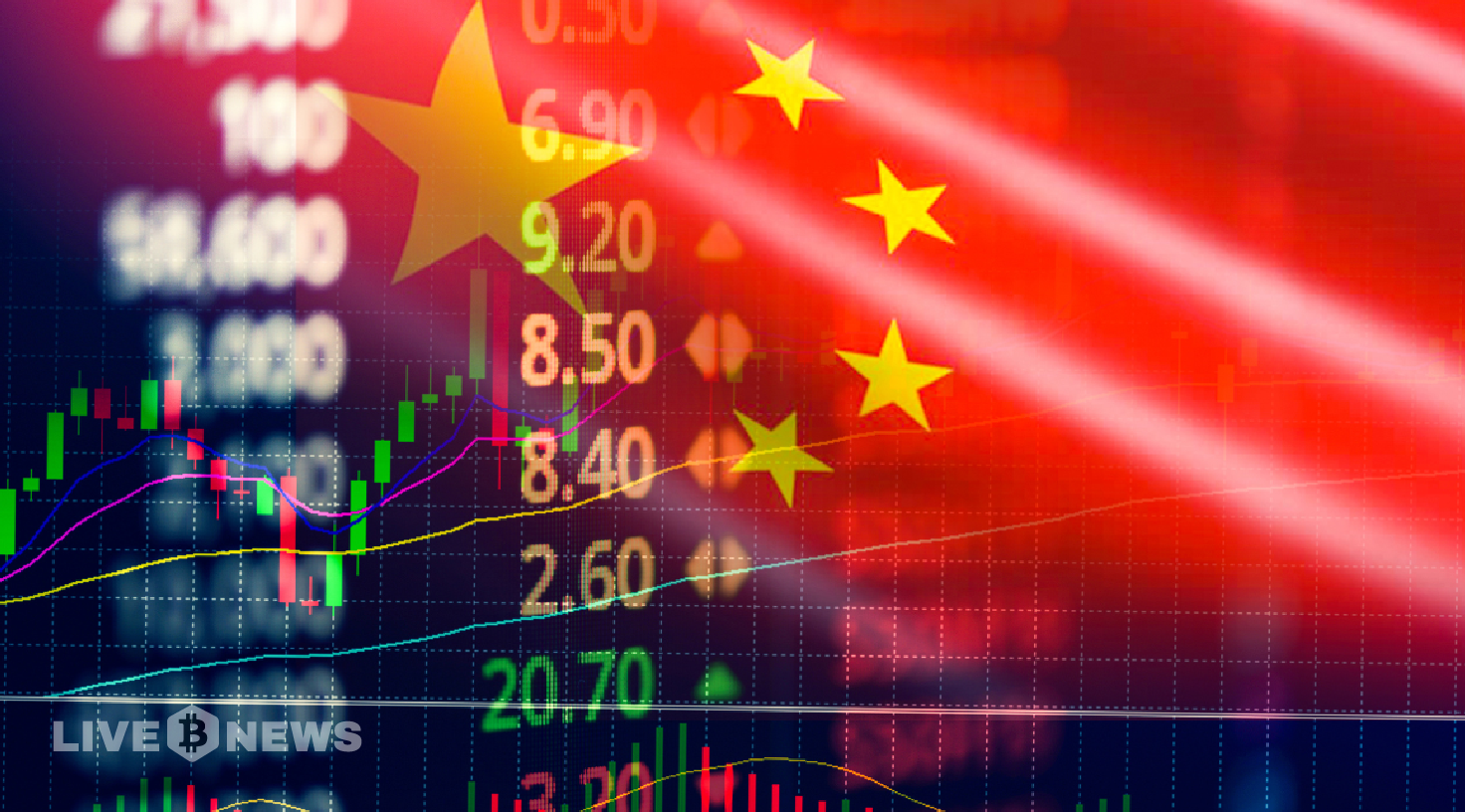
China is establishing a futures market for AI tokens, according to sources familiar with the topic. The country considers a different approach to U.S. exchanges, developing compute power futures to capitalise on the quickly expanding need to hedge AI costs.
According to sources familiar with the topic, the Shanghai Futures Exchange is in the early phases of creating futures contracts for so-called AI tokens. The AI tokens are the smallest units of information processed by AI models.
The Shanghai exchange is conducting preliminary research into product design for token futures, motivated in part by the AI rivalry with the United States.
The decision comes as the CME Group and Intercontinental Exchange ICE in the United States prepare to launch GPU compute futures, which are priced based on the cost of renting computing capacity for AI.
In contrast, the Shanghai exchange’s products will be linked to AI tokens, which are used to price AI services.
Furthermore, this bold undertaking is a strategic overhaul from existing American approaches to financial methods.
At the moment, United States exchanges such as CME Group are concentrating on GPUs compute power derivatives to control escalating operational expenses.
Instead, Beijing wants the basic computing components to steer the rest of the machine intelligence supply chain.
That specific focus on the AI token also aligns with the Chinese plan to reshape global tech commodities. It may help enterprise software builders manage jumpy and unpredictable data costs using familiar derivative contracts, not something brand new.
Therefore, the strategic futures market will serve as a crucial shield against rising western hardware monopolies.
Meanwhile, leading financial figures say the fast-growing demand for data is creating a completely new class of institutional assets.
Managing the sheer volatility of inference costs has become an absolute necessity for modern enterprise software developers.
The state exchange, however, has yet to officially announce a specific date for public launch of these groundbreaking contracts.
The complex planning phase remains subject to sudden regulatory revisions by top-tier Chinese financial oversight committees.
Accordingly, global market players will need to closely watch the Chinese capital to “wait and see” when formal approval processes will be initiated.
Still, if an AI token derivative really shows up, it could end up changing the global Web3 financial ecosystem in a pretty major way.
In December, China’s official commodity index business released a series of indexes measuring the country’s compute supply that could be used as underlying benchmarks for futures contracts.
Yilei Shao, dean of East China Normal University’s Shanghai AI-Finance School, believes China should issue token futures sooner rather than later, as the derivative is critical to the technical competition centred on AI and semiconductors.
Related News
Explore more