 Samuel·October 14, 2026
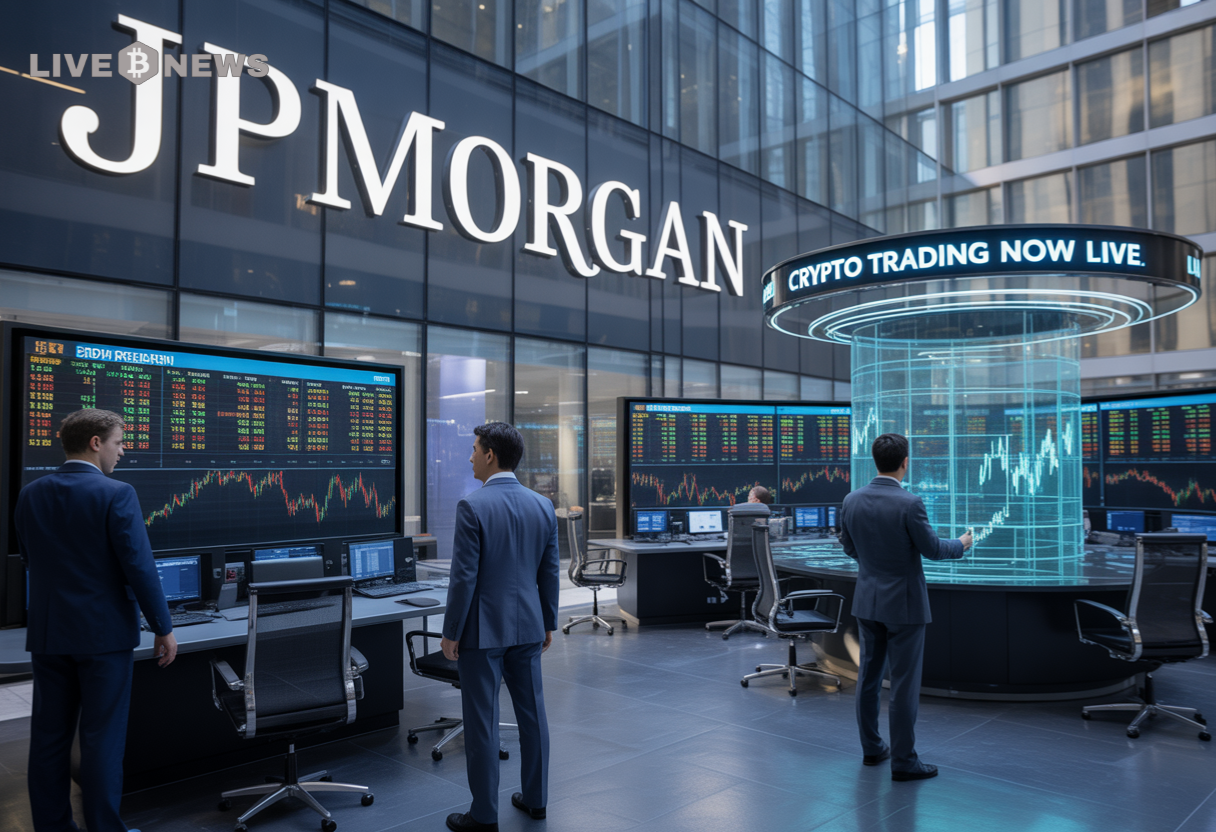
JPMorgan cuts Circle and Coinbase forecasts as Hyperliquid gets 90% of USDC reserve yield on its $6B balance, 8% of supply today.
JPMorgan has lowered earnings forecasts for Circle and Coinbase after a reported Hyperliquid agreement changed USDC revenue sharing. The bank said the new structure could weaken the economics behind USDC distribution across large crypto venues.
The concern centers on reserve yield from USDC held on Hyperliquid. Reports said Coinbase will pay 90% of that yield to Hyperliquid under the new arrangement.
Under the earlier setup, Coinbase and Circle split the reserve earnings more evenly. JPMorgan said the change creates a “prisoner’s dilemma” for USDC distribution.
Hyperliquid currently holds about $6 billion in USDC, equal to roughly 8% of circulating supply. That scale gives the platform strong influence in stablecoin revenue talks.
JPMorgan reduced its earnings estimates for Circle and Coinbase, according to market reports. The cuts were tied to the new commercial structure involving Hyperliquid. Analysts said the deal may reduce USDC-related income for both companies.
🚨JPMORGAN WARNS HYPERLIQUID THREATENS CIRCLE USDC ECONOMICS!
JPM analysts say Hyperliquid’s growing dominance and revamped deal with Circle/Coinbase creates a “prisoner’s dilemma,” pressuring $USDC revenue sharing as the DEX holds ~$6B (8% of supply), CoinDesk reports.
Bank… pic.twitter.com/AZQ09uuN97
— Crypto Banter (@crypto_banter) July 14, 2026
USDC is issued by Circle and widely distributed through Coinbase’s stablecoin partnership. Reserve yield comes from income earned on assets backing the stablecoin. This income matters more when USDC supply grows across active trading platforms.
The new deal changes how that yield is shared on Hyperliquid. Instead of a more balanced split, Hyperliquid receives most of the platform-linked yield. That shift places pressure on Circle and Coinbase earnings assumptions.
Coinbase will reportedly pay Hyperliquid 90% of USDC reserve yields generated on the platform. This gives Hyperliquid a larger share of stablecoin income tied to its liquidity. It also rewards the platform for keeping large USDC balances active.
Hyperliquid has become a large USDC venue in decentralized derivatives trading. Its reported $6 billion balance represents about 8% of circulating USDC. That position gives it more leverage when negotiating with stablecoin partners.
JPMorgan Cuts Circle and Coinbase Forecasts Over Hyperliquid Deal
JPMorgan downgraded earnings estimates for Circle and Coinbase, stating their new agreement with Hyperliquid weakens USDC economics. Coinbase will now pay 90% of USDC reserve yields on the platform to Hyperliquid,… pic.twitter.com/tnRhp5uG7M
— Wu Blockchain (@WuBlockchain) July 14, 2026
JPMorgan described the setup as a “prisoner’s dilemma” for USDC distribution. In simple terms, each partner may offer better terms to keep large platforms. That competition can lower the revenue retained by Circle and Coinbase.
Read also: Hyperliquid Drives Net Deflation As Daily Buybacks Outpace Rewards Flow
The report shows how stablecoin partners compete for placement across large crypto venues. Trading platforms can attract stablecoin supply through liquidity, incentives, and market access. In return, they may demand a larger share of reserve income.
For Circle, the issue relates to revenue from USDC supply across important platforms. For Coinbase, the issue relates to income from its commercial role with Circle. Both companies may face pressure if more platforms seek similar terms.
The Hyperliquid agreement may now become a reference point for other venues. Market watchers may track USDC balances, reserve yield sharing, and future earnings updates. Further details may show whether this model spreads across more crypto platforms.
Related News
Explore more