 James Godstime·13hr ago
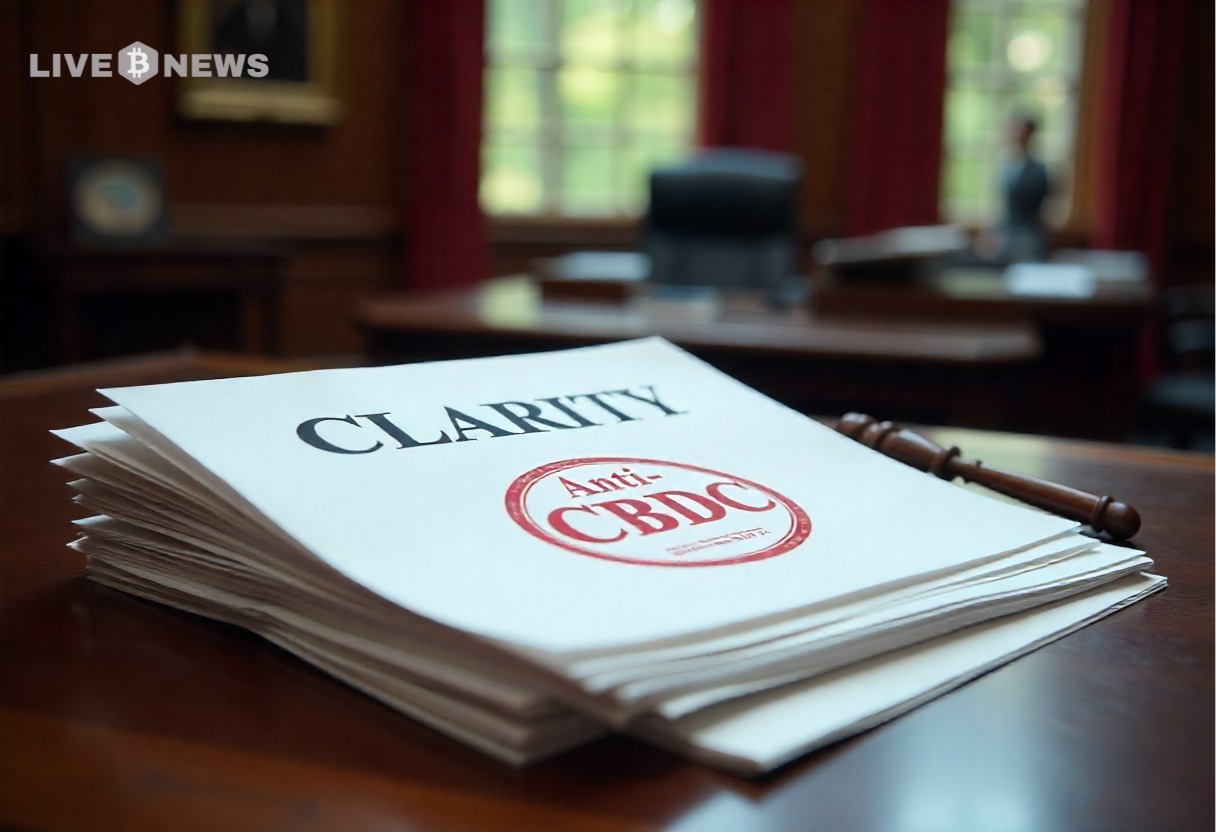
CLARITY Act faces a four-week Senate deadline as Mike Selig urges action and lawmakers await updated bill text.
The U.S. crypto market is entering a narrow legislative window as the CLARITY Act returns to Senate focus. Lawmakers have about four weeks to advance the bill before the August recess, according to Crypto in America.
Wu Blockchain reported that this period is widely viewed as the bill’s last realistic chance this year. Updated Senate text is expected this week, while several disputes remain unresolved.
The CLARITY Act aims to create clearer rules for digital asset markets. It would define oversight roles and give crypto firms a more direct regulatory path.
CFTC’s Mike Selig urged action, saying America must lead in AI, crypto, and financial innovation. His comments added pressure as lawmakers continue negotiations over the bill.
Wu Blockchain reported that lawmakers have roughly four weeks to move the CLARITY Act forward. The timing matters because Congress is approaching the August recess. After that break, the bill may face a much harder path this year.
The Final Countdown for Clarity: Senate Has Four Weeks to Act
According to Crypto in America, lawmakers have roughly four weeks to advance the Clarity Act before the August recess, widely seen as its last realistic chance to pass this year. Updated Senate text is expected this… pic.twitter.com/tGkwibp2vM
— Wu Blockchain (@WuBlockchain) July 13, 2026
The updated Senate text is expected this week, according to the report. That version may show how lawmakers plan to address remaining policy gaps. However, final agreement has not yet been reached.
The CLARITY Act is designed to reduce uncertainty in crypto regulation. It could help define which digital assets fall under different federal agencies. For crypto companies, clearer rules may shape compliance, listings, and product development.
The report said developer protections remain one of the unresolved issues. These protections matter because many developers build software without controlling user funds. Lawmakers are still weighing how much legal protection such builders should receive.
Ethics rules are also part of the debate. These rules could affect how public officials and related parties engage with crypto markets. The final language may decide how strict those limits become.
Another challenge is securing 60 votes in the Senate. That threshold is important for moving major legislation through the chamber. Without enough bipartisan support, the bill may stall before reaching final passage.
Read also: CLARITY Act Vote Puts XRP Commodity Status and Ripple Strategy in Focus
CFTC’s Mike Selig said the United States must lead in AI, crypto, and financial innovation. He warned that outdated laws could allow the country to fall behind China and other nations. His statement framed the CLARITY Act as part of a broader technology race.
.@POTUS is exactly right: America MUST lead in the race for AI, crypto, and financial innovation.
We CANNOT let outdated laws allow us to fall behind China and other countries. It's time for CLARITY. https://t.co/cQzCe13xRn
— Mike Selig (@ChairmanSelig) July 13, 2026
Senator Cynthia Lummis also backed the bill’s goal. She said the legislation would give Americans more confidence and security in the digital economy. Her comments focused on public participation under clearer market rules.
The bill has not become law, and negotiations remain active. Traders and crypto firms are watching the updated text, Senate support, and committee progress. The next few weeks may decide whether the CLARITY Act advances this year.
Related News
Explore more