 Emily John·1d ago
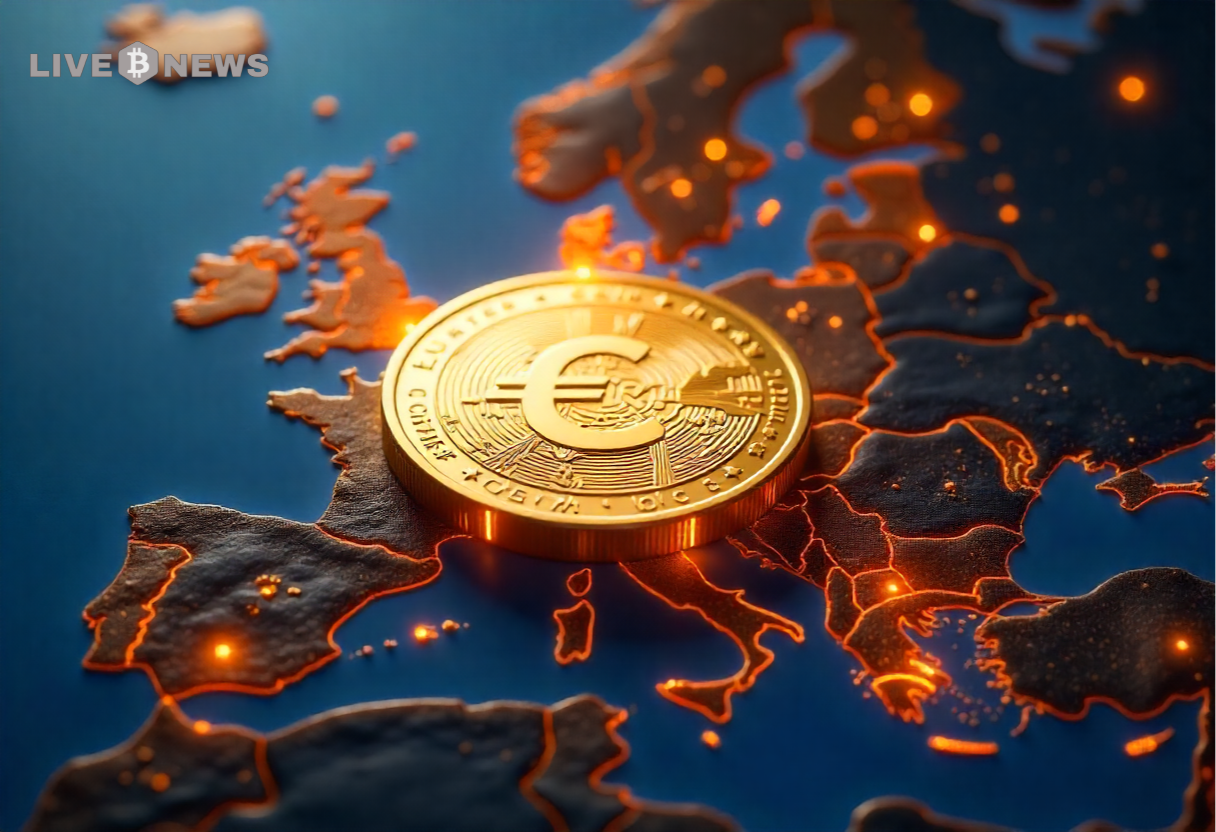
Major European banks unite under Qivalis to create a regulated euro stablecoin targeting faster payments and stronger regional digital competitiveness, including Stablecoins.
European banks have jointly launched Qivalis to shape a euro stablecoin by 2026, marking a coordinated effort to strengthen Europe’s digital payments landscape. Moreover, the initiative is a response to the growing pressure from global competitors. Consequently, regional lenders would want to establish strategic relevance as stablecoins are redefining financial infrastructure in major markets during this accelerated period of technological transition and competition.
According to Reuters, ten major lenders such as ING, UniCredit and BNP Paribas has created Qivalis, to pursue Electronic Money Institution licence from the Dutch central bank. Furthermore is that the company will be operating out of Amsterdam under Jan-Oliver Sell with Howard Davies as the chair, which will reinforce the expectations of governance across the initiative in this critical phase of the financial modernization efforts in the region.
According to Reuters, a group of 10 European banks including ING, UniCredit and BNP Paribas has formed a new company, Qivalis, to launch a euro-denominated stablecoin in the second half of 2026, aiming to counter the U.S. dominance in digital payments. Qivalis is applying for an…
— Wu Blockchain (@WuBlockchain) December 2, 2025
Qivalis is planning to hire up to fifty people within two years. Moreover, Sell confirmed that already one-third of the staff have joined. As such, the consortium wants to create resilient systems in support of the euro stablecoin. References from financial blogs point to increasing pressure on banks to implement blockchain technology as banks’ rivals roll out stablecoins in global markets at an accelerating rate during this accelerating cycle.
Related Reading: Nine Major European Banks Unite to Launch MiCA-Compliant Euro Stablecoin by 2026 | Live Bitcoin News
Stablecoins grew rapidly, with Tether having some one hundred eighty-five billion dollars in circulation. However, the use of euro-pegged tokens is still limited. Societe Generale’s SG-FORGE only has sixty-four million euros. Therefore, Qivalis comes into a modest market segment. Nevertheless, analysts anticipate that increasing regional demand will be driven by the emergence of regulated options in a slowly evolving banking and payments ecosystem throughout Europe as the industry continues to change and pursue integration.
Qivalis said its token will make for near-instant and low-cost settlements. However, according to Davies, initial usage will be in the area of crypto trading. Moreover, this staged rollout aims to establish trust and compliance. Consequently, the consortium hopes to be able to demonstrate durability before expanding payment functions to broader commercial and institutional environments in the future phases of project development and testing.
Experts say the idea of regulated euro stablecoins could increase the efficiency of settlement across the European markets. Moreover, there are potential benefits for cross-border payments, according to financial commentators. As a result, better liquidity may enable transfers to be made faster in regional commerce. Additionally, analysts point to previous blog discussions recommending that European lenders are looking for tools. They can compensate for the need to use dollar-linked stablecoins in their long-term strategic planning and migration.
Observers predict that the effect of Qivalis may also play a role in liquidation practices at all trading venues. Moreover, the euro liquidity could provide for a more orderly unwinding of distressed positions. As a result, exchanges may see lower levels of volatility in times of market stress. On top of that, regulated tokens are often helpful in stabilizing flows when it comes to settlement.
Therefore, Qivalis is a remarkable move for European banks to gain better digital competitiveness. Moreover, the regulated model of the consortium may promote wider adoption across institutional ecosystems. Consequently, market observers anticipate slow growth as trust grows. In addition, the framework of the stablecoin may affect liquidation behavior when volatile circumstances put pressure on regional financial systems.
Related News
Explore more