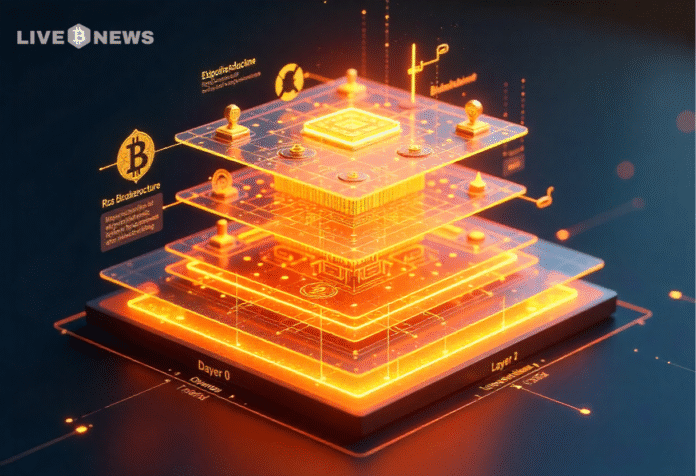

Blockchain technology changes how data moves and is recorded across networks. Instead of a single system, it relies on layers that perform different roles. Each layer contributes to the network’s overall function and efficiency. This article covers those layers, from Layer 0 to Layer 3, and explains their importance for businesses considering blockchain.
What are blockchain layers?
Blockchain layers handle specific tasks in the system. This structure is designed to improve speed, security, and usability. Each layer works independently but relies on others to keep the whole network running smoothly. The four main layers are Layer 0, Layer 1, Layer 2, and Layer 3. Understanding them helps clarify how blockchain operates and scales.
Layer 0: The foundation
Layer 0 serves as the underlying infrastructure. It connects different blockchains and creates a network that allows them to communicate. This base layer includes the protocols and hardware that make interoperability possible. Examples like Polkadot and Cosmos focus on linking blockchains, enabling data and assets to move across systems easily.
Layer 0 helps address several structural challenges:
- Interoperability. Layer 0 allows blockchain networks to communicate by default, without custom bridges. Blockchains built on the same Layer 0 protocol can interact directly. This results in faster transactions and greater efficiency across the network.
- Scalability. By delegating key functions like execution and consensus across specialized chains, Layer 0 reduces the strain on a single Layer 1 blockchain. This design increases throughput and supports faster transaction processing.
- Developer flexibility. Layer 0 protocols often include development tools that support quick deployment. Developers can launch custom blockchains, define their own token models, and control how their chains operate within the ecosystem.
Independent sources and technical guides are available for businesses interested in deeper insights on Layer 0. For an in-depth look, visit https://cryptoprocessing.com/learn/what-is-layer-0-in-blockchain. Always ensure that information aligns with regulatory requirements.
Layer 1: The core blockchain
Layer 1 is the main blockchain protocol. It handles transaction validation, consensus, and data storage. Blockchains such as Bitcoin and Ethereum operate here. This layer maintains security and decentralization by recording transactions directly on the chain. Layer 1’s design affects the network’s speed and reliability, which makes it the backbone of the blockchain ecosystem.
Layer 2: Scaling solutions
Layer 2 solutions work on top of Layer 1 to boost performance. They process transactions off the main chain, speeding up operations and lowering fees before finalizing results on Layer 1.
For Bitcoin, several Layer 2 solutions help extend the network’s capabilities:
- Lightning Network. A system of payment channels that enables fast, low-cost micropayments without recording every transaction on-chain. It supports high volume and has processed millions in value.
- Liquid Network. A sidechain with one-minute block times and confidential transactions. Managed by the Liquid Federation, it uses L-BTC, pegged 1:1 with BTC, and is built for fast settlement.
- Stacks. Adds smart contracts and dApps to Bitcoin. It settles on the main chain and uses its own contract language, Clarity, while keeping Bitcoin’s security base.
These tools boost performance and add features without altering Bitcoin’s core protocol.
Layer 3: The application layer
Layer 3 includes applications and interfaces that users engage with daily. It links users to blockchain functions through wallets, decentralized apps (dApps), and other tools. This layer focuses on user experience and accessibility, making blockchain technology more practical for business and personal use. You can find more information at https://cryptoprocessing.com/learn/what-are-layer-3-blockchains.
Why these layers matter
Each layer is designed to its play role in improving the blockchain’s capabilities:
- Layer 0 connects networks
- Layer 1 secures transactions
- Layer 2 scales the system
- Layer 3 delivers user-facing services
Together, they address common issues such as congestion and limited functionality. Businesses that understand this structure can better assess blockchain solutions and their benefits.
Blockchain relies on a multi-layered design, with each layer serving a distinct purpose. Recognizing how these layers work together offers insight into the technology’s strengths and challenges.
While blockchain layers offer technical advantages, businesses must also evaluate potential limitations, including security trade-offs, integration complexity, and compliance implications.
This content is provided for informational purposes only and does not constitute financial, legal, or investment advice. Businesses should consult legal counsel to ensure any blockchain-related implementations comply with applicable laws and regulations.
Disclaimer: This is a paid post and should not be treated as news/advice. LiveBitcoinNews is not responsible for any loss or damage resulting from the content, products, or services referenced in this press release.