Altcoins Are Back: 70% Reclaim 200-Day Average as Bitcoin Mirrors 2022 Price Action
 Samuel·6hr ago
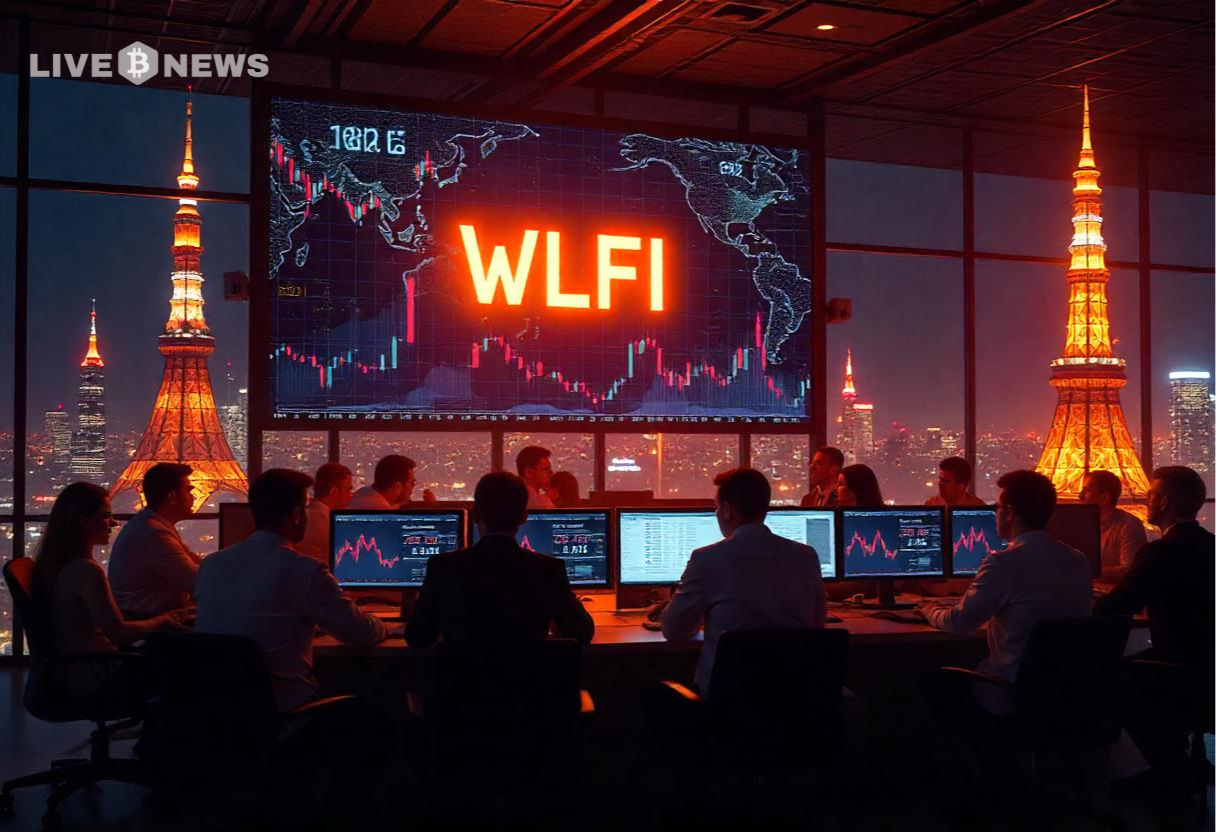
WLFI reportedly froze Justin Sun-linked wallets on Sept. 4, 2025, after exchange-linked transfers raised market concerns.
Reports that Justin Sun lost access to a large WLFI token holding have drawn fresh market attention.
The case centers on wallet control, contract authority, and the extent of power held by project teams.
It has also renewed scrutiny of how crypto platforms manage user assets behind the scenes.
Justin Sun was described as one of the first major supporters of WLFI. Reports said he invested about $75 million in the project.
He was also said to have received an advisory role and a large token allocation.
As a result, Sun was viewed as one of the project’s largest holders. Market watchers said his wallet held 595 million unlocked WLFI tokens.
They also said the same wallet contained billions of locked tokens.
A $100M story that every crypto investor must read 👇
Justin Sun is the founder of @trondao. He was one of the first big names to back $WLFI. He put in around $75M, got an advisor seat, and received a huge token allocation.
His wallet was holding 595M unlocked #WLFI tokens and… pic.twitter.com/VCW4OwPViM
— Crypto Patel (@CryptoPatel) April 20, 2026
Because of that position, his wallet activity drew close attention. Large transfers from such wallets often move market sentiment.
In this case, that attention increased sharply in September 2025.
At that time, reports said $9 million to $11 million in WLFI moved to exchange-linked wallets.
Soon after, the token price reportedly fell. The transfers led to questions about whether a major holder was preparing to sell.
Soon after the transfers, Sun denied that he was selling WLFI. He said the movements were only test transfers. Even so, the public concern did not fade.
Then, on September 4, 2025, WLFI reportedly froze his wallet. According to those claims, both unlocked and locked tokens were blocked.
That move allegedly removed access to more than $60 million in paper value.
The freeze became a bigger story because of how it was carried out. Reports said the WLFI smart contract included a blacklist function.
That function could allow the team to freeze any wallet at any time. That detail shifted the debate beyond one wallet.
It raised a basic issue about token ownership and control. If a team can block access, users may not fully control their assets.
Read Also:
WLFI Shocks Market with 4.5B Token Burn Proposal After Clash with Justin Sun
The reported blacklist feature became the most discussed part of the dispute. Critics said investors were not clearly told about that level of control.
Because of that, trust in the project’s structure came under pressure. In crypto markets, contract terms often matter more than public branding.
A project may describe itself as decentralized, yet still keep strong admin powers. Therefore, investors often study wallet controls before making large commitments.
Reports also said Sun spoke publicly about the matter in April 2026.
According to those accounts, his funds were still frozen at that time. That kept the issue active and left questions about any possible resolution.
Samuel·6hr ago Samuel·1d ago
 Peter Mwenda·August 17, 2026