 Emily John·September 20, 2026
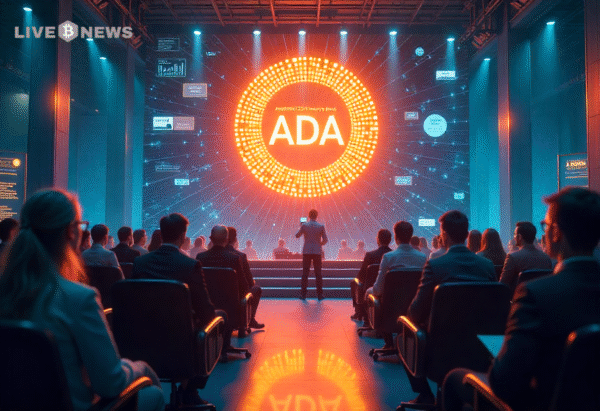
Cardano founder Charles Hoskinson defends his ADA role as the network moves toward broader on-chain governance.
Cardano founder Charles Hoskinson has defended his role in the ADA ecosystem during an ongoing governance debate.
His remarks focused on leadership, community process, and Cardano’s long-term direction.
Hoskinson said unification does not mean centralization, but respect for a shared process. He also questioned the need for corporate-style structures to guide a decentralized ledger.
The comments come as Cardano advances toward a broader governance model built around community participation.
That model is expected to give ADA holders more direct input into future network choices.
The debate has placed founder influence back at the center of Cardano coverage. Market participants are watching how leadership, voting, and development will work together.
Hoskinson said his role is tied to his long history with the Cardano project. He stated that he has been involved since the earliest stage of the network.
His comments were made as governance discussions continue across the ADA community.
If your cryptographic playbook requires a sterile, corporate corporate entity to validate a global decentralized ledger, you are fundamentally mispricing the value of unyielding founder conviction." 🏛️⛓️
Cardano founder Charles Hoskinson (@IOHK_Charles) just delivered an… pic.twitter.com/5mSQDtwzA9
— Cheeky Crypto (@CheekyCrypto) June 30, 2026
He described his leadership as support for Cardano during an important transition.
According to his remarks, many users still look to him for direction and coordination. However, he did not describe that role as control over the network.
The comments show the balance Cardano is trying to manage during governance change.
Founder guidance remains visible, while the project moves toward wider community decision-making. This balance is now a key topic among ADA holders and developers.
Cardano has been building an on-chain governance system for future network decisions.
The model is designed to give users clearer roles in voting and policy updates. It also aims to reduce dependence on informal leadership channels.
However, this shift has raised questions about how founder influence should fit. Blockchain projects often face this debate as they move beyond early development stages.
Cardano is now facing that discussion during a major governance period. Hoskinson said unity should come through process rather than corporate management.
His view places formal rules and community participation at the center of the network’s path. The next test will be how these systems work in practice.
Read Also:
Cardano V11 Hard Fork Advances as Discord Clash Fuels Governance Fears
The ADA community is watching how Cardano applies its governance changes across the ecosystem.
Future decisions may involve developers, stake pool operators, delegates, and token holders. These groups will likely shape how proposals move through the network.
Hoskinson’s comments also reflect a wider crypto debate about founder roles. Some networks reduce founder visibility, while others keep founders active in public coordination.
Cardano appears to be working through that question through its governance structure. ADA holders, the next phase will depend on trust in the process.
Clear voting rules, open participation, and steady development may guide market confidence. Cardano’s governance rollout remains central to its long-term network direction.
Related News
Explore more