
 Bilal Hassan·14hr ago
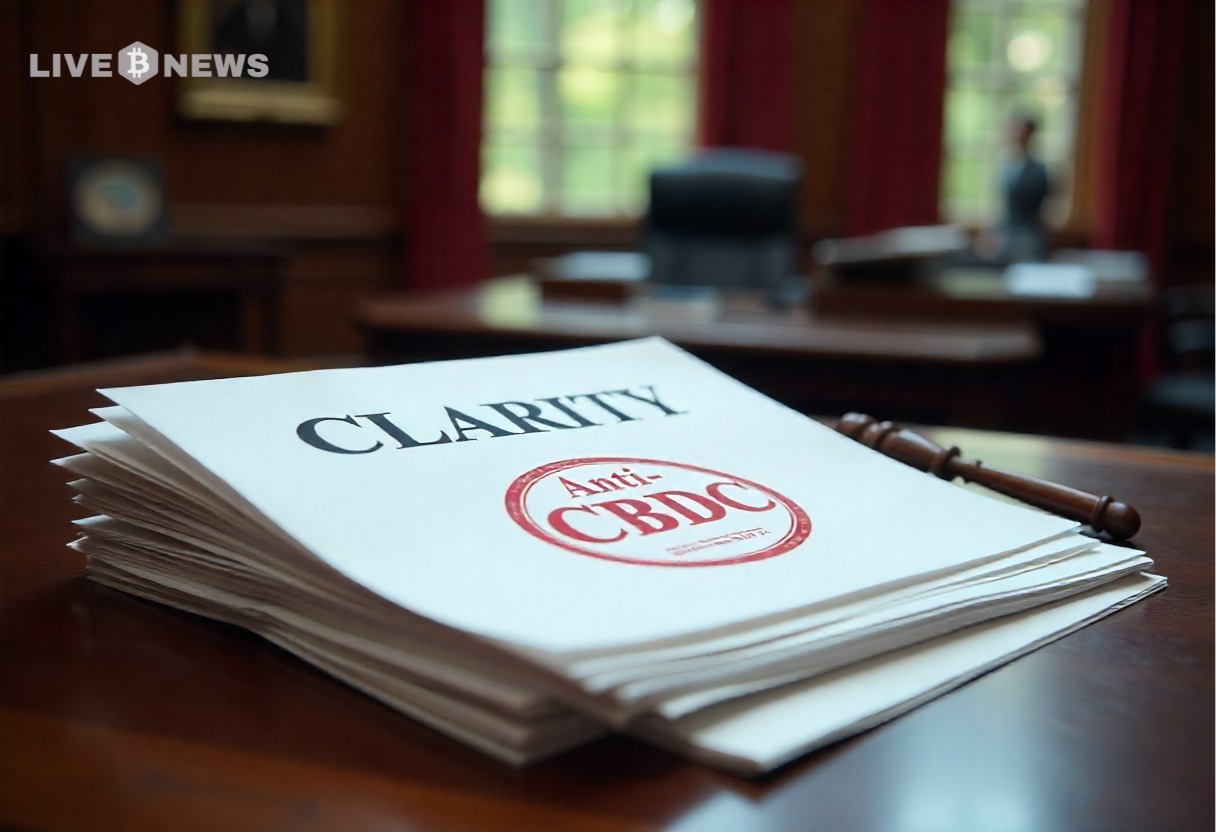
CLARITY Act Section 105 raises new debate over XRP transaction treatment, Ripple ruling, and future U.S. crypto rules.
The CLARITY Act has brought fresh attention to XRP as lawmakers review digital asset market rules.
Section 105 has become a key focus because it refers to network tokens and earlier court decisions.
The debate now centers on how different XRP transactions may be treated under future federal law.
Section 105 has drawn interest because of its link to past U.S. court findings. The provision focuses on network tokens and court rulings made before the law takes effect.
Supporters of the debate say this language could affect how XRP is viewed. The Ripple case already separated different XRP transaction types.
Programmatic sales on exchanges were not treated the same as institutional sales. That difference remains central to the current legal discussion.
🚨 SECTION 105 ANALYSIS: The CLARITY Act advancing through the U.S. Senate Banking Committee may have created one of the most important legal discussions around ripple:native since the Ripple ruling. 🇺🇸
Section 105 focuses on network tokens and prior U.S. court determinations… pic.twitter.com/dzt5raKyvV
— RippleXity (@RippleXity) May 15, 2026
The question is no longer limited to whether XRP is a security. Instead, the focus has moved to transaction types and market rules.
This shift matters because federal law may give clearer roles to regulators. However, the CLARITY Act is not law yet.
The Senate and House may still change the final text. Also, anti-fraud rules and enforcement powers would still remain in place.
The Ripple ruling has become part of the wider policy discussion in Washington. Section 105 could give more weight to earlier court decisions.
Some market analysts say this may affect XRP’s legal treatment. Judge Analisa Torres ruled that some XRP sales did not meet securities law standards.
However, institutional sales were treated differently in the same case. That split created a legal line between types of transactions.
Now, lawmakers are reviewing language that may interact with that court history.
The bill uses market-structure terms for digital assets, disclosures, and agency control. As a result, XRP has become part of the legislative debate. Still, no final legal change has taken effect.
The bill must pass through the full process before becoming law. Until then, XRP’s status remains tied to current court rulings and agency actions.
Read Also:
CLARITY Act Vote Puts XRP Commodity Status and Ripple Strategy in Focus
Section 110 has also entered the XRP debate because of the “mature blockchain” test.
Supporters argue that XRPL may meet that standard due to its long operating history. They also point to its validator network and payment use.
If a network meets the test, its token may fall under commodity rules. That would place more oversight with the Commodity Futures Trading Commission.
However, the exact result depends on the final bill language. Section 401 is also being watched by crypto and banking groups.
The section covers bank and credit union use of digital assets. It refers to payments, custody, clearing, and settlement services.
🚨 JUST IN: These Are The Exact Sections Of The CLARITY Act Hitting ripple:native The Hardest Today.
Section 105 — Creates a federal legal shield around Judge Torres' ruling that ripple:native's secondary market sales are not securities. Turns a court ruling into permanent… pic.twitter.com/5gOD7JJFlL
— RippleXity (@RippleXity) May 14, 2026
This language may matter for Ripple-related payment infrastructure in the United States.
It may also shape how banks handle approved digital assets. Yet each service would still need to follow federal rules.
Section 404 deals with payment stablecoin balances on exchanges. It would ban passive interest or yield on those balances.
Activity-based rewards may still be allowed under the provided summary. This section could affect how RLUSD is offered in the U.S. market.
Stablecoin rules remain a key part of the wider bill. For now, the final outcome depends on Senate and House negotiations.
Related News
Explore more