 Bilal Hassan·9hr ago
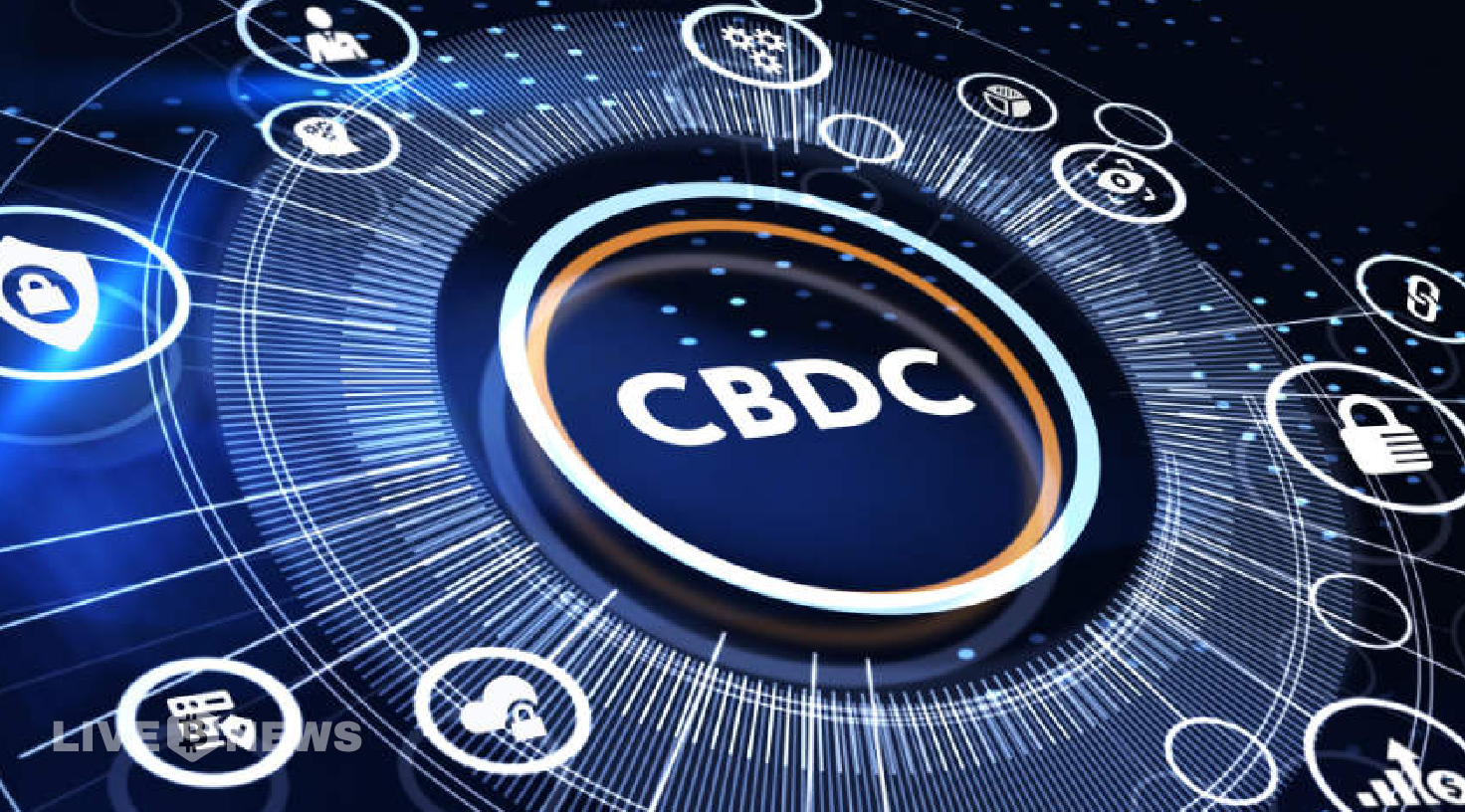
House Republicans are escalating their war against a digital dollar. The legislators now want to turn the temporary ban into a permanent domestic blockade.
The aggressive measure is designed to prevent a state-sponsored crypto competitor from getting off the ground.
House Republicans are attaching this new restriction directly to a major housing bill.
In particular, they included the measure in the 21st Century ROAD to Housing Act. The manoeuvre adds to the urgency of legislators to pass the merged bill. Its congressional sponsors have a clear and unambiguous mission.
They want to eliminate the possibility of a US CBDC entirely.
US Representative Warren Davidson, a member of the House, likewise advocated for a permanent CBDC prohibition, calling the “2030 sunset works a pre-launch development period”.
The US House of Representatives could deliver a unifying win this week with bipartisan housing affordability legislation. Instead, they currently plan to deliver a go-live date for Central Bank Digital Currency (CBDC), using housing as the Trojan Horse.
Sadly, it’s being… pic.twitter.com/YTaAlr2XP3
— Warren Davidson 🇺🇸 (@WarrenDavidson) May 18, 2026
Advocates frame the permanent CBDC ban as a vital anti-surveillance measure.
They say that a state token provides the government with complete visibility of the finances of citizens.
Therefore, they demand strong statutory barriers to protect private crypto alternatives.
Furthermore, freedom advocates warn against the dangers of automated federal control.
They claim a programmable CBDC allows authorities to freeze private assets instantly. So the present housing bill becomes an unanticipated flash point of privacy.
The rise of political tensions in Washington has drawn crypto experts’ attention to these developments.
On Capitol Hill, House Majority Whip Tom Emmer has continued to press senators to support his Anti-CBDC Surveillance State Act, which passed the House in July.
The proposal would prevent the Federal Reserve from establishing or releasing a central bank digital currency, with advocates presenting the issue as one of privacy and financial independence.
However, the Bank of Korea has announced plans to build a payment system centred on Central Bank Digital Currency (CBDC) and deposit tokens.
The imminent House vote will test Republican party unity on digital currency.
Most observers believe the bill will pass the lower chamber without much difficulty. However, the subsequent negotiations with the Senate will determine the final legal outcome.
Previous efforts to prohibit the use of the digital currency through independent legislation have been unsuccessful.
Senator Mike Lee previously presented the “No CBDC Act,” which intended to restrict both the Federal Reserve and the Treasury Department from issuing CBDCs, but the idea was delayed in Congress.
Investors are bracing for market swings this month, especially as the voting dates approach.
By the end of the day, the whole battle lays bare some deep philosophical differences around blockchain tech.
There’s a divide in Washington between setups involving the state and decentralized crypto networks.
These legislative moves are vital for the American financial system, and not in some vague way but in the day-to-day grind.
Related News
Explore more