 James Godstime·October 10, 2026
DeFi was built to tear down the walls of traditional finance and give people real control over their money. But lately, a lot of big crypto exchanges have started tightening the reins. Now, if you want to trade, you usually have to go through a bunch of KYC checks, uploading your passport, government ID, maybe even a utility bill, before you even get started.
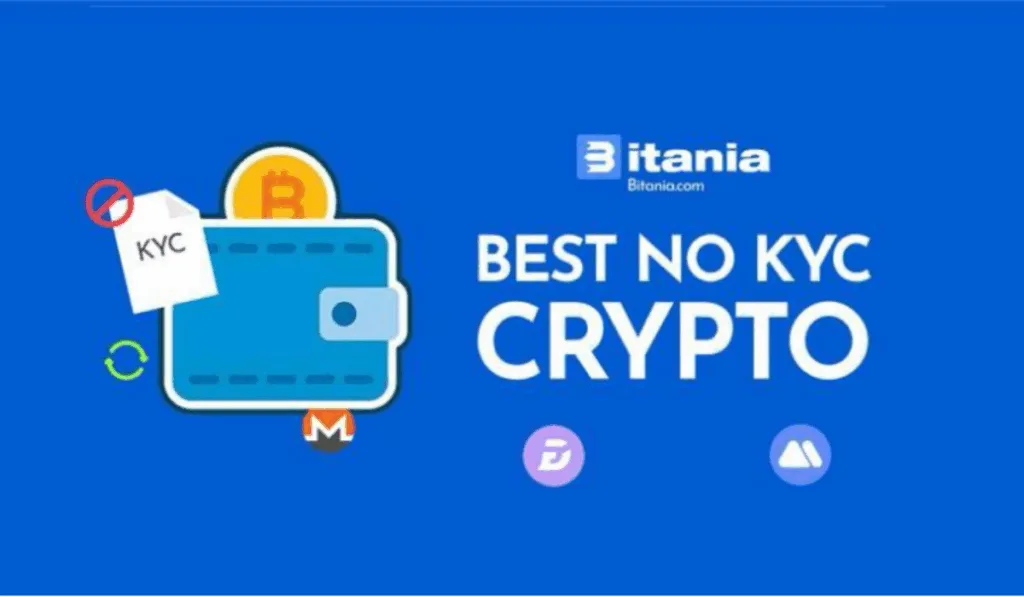
That’s why no KYC exchanges are suddenly getting all the attention. These platforms allow you to trade crypto without going through the process of KYC and other compliance verifications. Privacy-focused crypto exchanges like Bitania are becoming popular among users who prioritize privacy, faster onboarding, anonymous trading, and having fewer limits on what they can do with their assets.
As more people look for financial tools that put privacy and freedom front and center, no-KYC exchanges are really starting to shake up the DeFi scene. They’re helping define where things go next.
No KYC cryptocurrency exchanges let you trade digital currencies – buy, sell, or swap – without having to jump through the usual hoops of identity checks.
Unlike regular centralized exchanges that demand things like passports or selfies, these platforms focus on privacy. You can set up an account in minutes, sometimes seconds. Most of the time, you’re making trades directly with other people, and you hold your own funds since the exchange isn’t a custodian. Plus, anyone around the world can usually sign up.
These exchanges keep things simple, asking for little more than a username or email, so you get into the market much quicker and with way fewer barriers. And the trend is catching on. Chainalysis found that more people are turning to privacy-focused crypto services and decentralized apps — they want options outside the big, centralized financial world.
A lot has changed in crypto nowadays. A decade ago, it was all about t anonymity and decentralization. Now? Major exchanges feel a lot like banks. Complete with rules. Paperwork. Strict oversight. This has made a lot of users to look consider no-KYC platforms. The reasons are pretty clear.
Centralized exchanges collect so much personal information. You have to scan passports. Share your address. Even give up biometric data. And given how common crypto data breaches have become, people worry about losing their money or someone stealing their identity to commit fraud. Vitalik Buterin, the cofounder of the Ethereum blockchain, has, on several occasions, stressed the importance of privacy in today’s world.
Plenty of exchanges block users in certain countries because of uncertainty with regulations. That has left crypto enthusiasts stranded and not able to start investing in crypto. However, No-KYC platforms are changing that. They allow users to trade no matter their location.
Traditional KYC checks can drag on for hours, sometimes days. In fast-moving crypto markets, that’s enough time to miss big opportunities. With no KYC setups, you’re in and trading almost instantly.
Recent crashes of big centralized platforms reminded everyone how risky it is to hand over your assets. With no KYC exchanges, traders have control over their own funds; they don’t have to trust another company to keep it for them.
Considering all of these, you’ll see why crypto users are shifting their focus to no -KYC alternatives. It’s all about privacy. Global access. Speed. And control. These matters now matter more than ever.
No KYC trading platforms are popping up everywhere, and honestly, they’re a near-perfect fit for what decentralized finance is all about. Both sides want people to have more control over their money, and they’re not interested in gatekeepers.
Here’s how these platforms are shaking things up in DeFi.
One of the main things DeFi does is to open up financial systems to everyone. Millions around the world still can’t get a bank account or even a basic ID. No KYC exchanges tear down those barriers, so way more folks get involved. Now, people can try out things like yield farming, staking, liquidity pools, decentralized lending, and even participate in DAO governance. So, the World Economic Forum says DeFi’s got huge potential to reach places that traditional banks just don’t touch.
Crypto was built on P2P trades, cutting out the middleman. No KYC platforms double down on direct user deals instead of relying on massive centralized order books. Which means faster trades, more payment options, less third party meddling, and users get to call the shots. Take Bitania.com as an example; it’s part of the movement that’s putting privacy first in trading. As these systems grow, the crypto world gets more decentralized and stronger.
In crypto circles now the phrase ‘not your keys, not your coins’ is huge. Most no KYC exchanges let you connect your own wallet, so you’re not just handing your money over to some big centralized platform and hoping for the best. You stay in control – in crypto, that’s half the battle, honestly. That means you’re not as exposed to counterparty risks, you’re not chained to some mega exchange, and if one platform goes down in flames, you won’t lose your assets along with it. More folks are choosing self-custody; that honestly just keeps DeFi from turning into like everything it was trying to replace.
No- KYC exchanges are not only being used as a way to avoid KYC but also are promoting various forms technology that promote privacy, like noncustodial wallets, zero-knowledge proof, decentralized identity tools, and privacy-first blockchains. Edward Snowden and plenty of developers believe (and they’re not wrong) that financial privacy matters. They don’t think anyone should give up their privacy just to use online financial services.
The competition?. Wild. Developers are rolling out new trading tech. Nonstop. Crosschain swaps, atomic swaps, layer- 2 DEXs, liquidity aggregators – you name it. Noncustodial derivatives trading is becoming common now too. All this technology is making trades faster, privacy tighter, and keeping things decentralized. It’s moving at a rapid pace, and it’s really challenging traditional finance a great deal.
Long story short, no KYC exchanges are pouring gas on DeFi’s growth. More freedom, more privacy, and you get more innovation. The space is leveling up fast.
No KYC exchanges keep getting more popular, but they’re still under a microscope. To prevent potential threats such as terrorism financing, money laundering, tax evasion, fraud, etc., the authorities are increasing their regulation on crypto exchanges globally.
One area regulators monitor heavily is anonymous trading because they believe it could jeopardize the entire financial system. Meanwhile pro-crypto folks argue that too much surveillance goes against the ethos of DeFi – freedom.
This debate is going to form how both centralized exchanges and decentralized platforms will operate with/against each other.
Look, the demand for no KYC trading isn’t slowing down. More people want privacy and more control over their own digital assets. And no KYC exchanges play a big role in achieving that.
So No KYC exchanges aren’t going anywhere anytime soon. If anything, they’re digging their heels in because they align perfectly with all the hottest trends in crypto right now— like borderless transactions, users actually owning their assets, every system being decentralized, and making sure folks all over the world can get in on finance without a ton of paperwork or restrictions. These exchanges basically scream “freedom” to a lot of people, so it makes sense they’re here to stay.
But things are changing. These platforms have to keep up with new regulations while still protecting users’ privacy. The next wave of DeFi apps might start blending easy access, security, and self-custody — all without asking for too much personal info first.
As DeFi becomes stronger, the marketplace for no-KYC crypto exchanges has developed quickly. These exchanges allow individuals to maintain their anonymity while also allowing them the ability to maintain custody over their assets. Decentralized finance is taking shape entirely as it is supposed to be: open, simple to participate in, and ultimately in your own control.
Of course, regulations are still a headache. But the push toward finance that doesn’t need anyone’s permission isn’t slowing down.
As crypto goes mainstream, these no-KYC cryptocurrency exchanges will likely stick around for folks who want real independence. If you’re looking for privacy-first trading, platforms like Bitania.com are part of the ongoing move toward letting users call the shots and own their own financial journey.
Related News
Explore more