
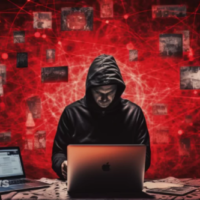
The 2025 crypto heists by North Korea exceeded 2 billion dollars, contributing to weaponry and new security threats.
The world has been stunned by North Korea’s 2025 crypto heists. Regime-linked hackers swiped billions in cryptocurrency. This money is used to fund the arms projects in Pyongyang, even after intense sanctions are imposed. The extent and expertise of such attacks are unprecedented.
North Korea’s Crypto Power Surge
There was a massive hack on Bybit that was worth $1.5 billion, according to the FBI. It is the biggest crypto theft in history.
The attack was carried out by the Lazarus Group, which is associated with North Korea. Their hacking sojourn started in 2017, when they aimed to harm crypto exchanges and banks.
Professionals have unearthed a dualistic financing scheme. Employees of North Korea’s information technology sector working overseas send solid cryptocurrency profits home. In the meantime, hackers carry out billion-dollar robberies.
To conceal their path, they wash these funds in mixers and convoluted swaps. These flows are directly related to weapons funding, according to the U.S. Department of Justice.
How Crypto Crime Fuels North Korea’s Military
Experts estimate that half of the foreign currency in North Korea is the result of cyber theft. Such iniquitous returns are used to fund nuclear and ballistic missiles.
The FBI cautions that the regime now tests decentralized finance and privacy coins. This implies that their laundering techniques are becoming more advanced.
The North Korean government is considered to be the most significant state threat to cryptocurrency markets by the Financial Action Task Force. The hackers employ social engineering, counterfeit credentials, and zero-day exploits to intrude into firms across the globe.
Over 2.17 billion dollars have been lost by the crypto services around the world by the middle of the year 2025. The Bybit hack accounts for most of this staggering figure.
General Wake-up in Global Crypto Security
These assaults change the attitude of regulators towards cryptocurrency. It has become a threat to national security, not only a financial instrument.
Exchanges are subject to an increased cost of compliance and oversight. Regulators across the world are tightening structures to identify hacking and money laundering.
In spite of the sanctions, the hacking activity in North Korea is undergoing a rapid transformation. Analysts caution that decentralized finance can become the new loophole through which laundering can enter.
They are likely to continue expanding due to these cyber heists unless the world coordinates its efforts.



Leave a Reply
You must be logged in to post a comment.