
 Bilal Hassan·3d ago
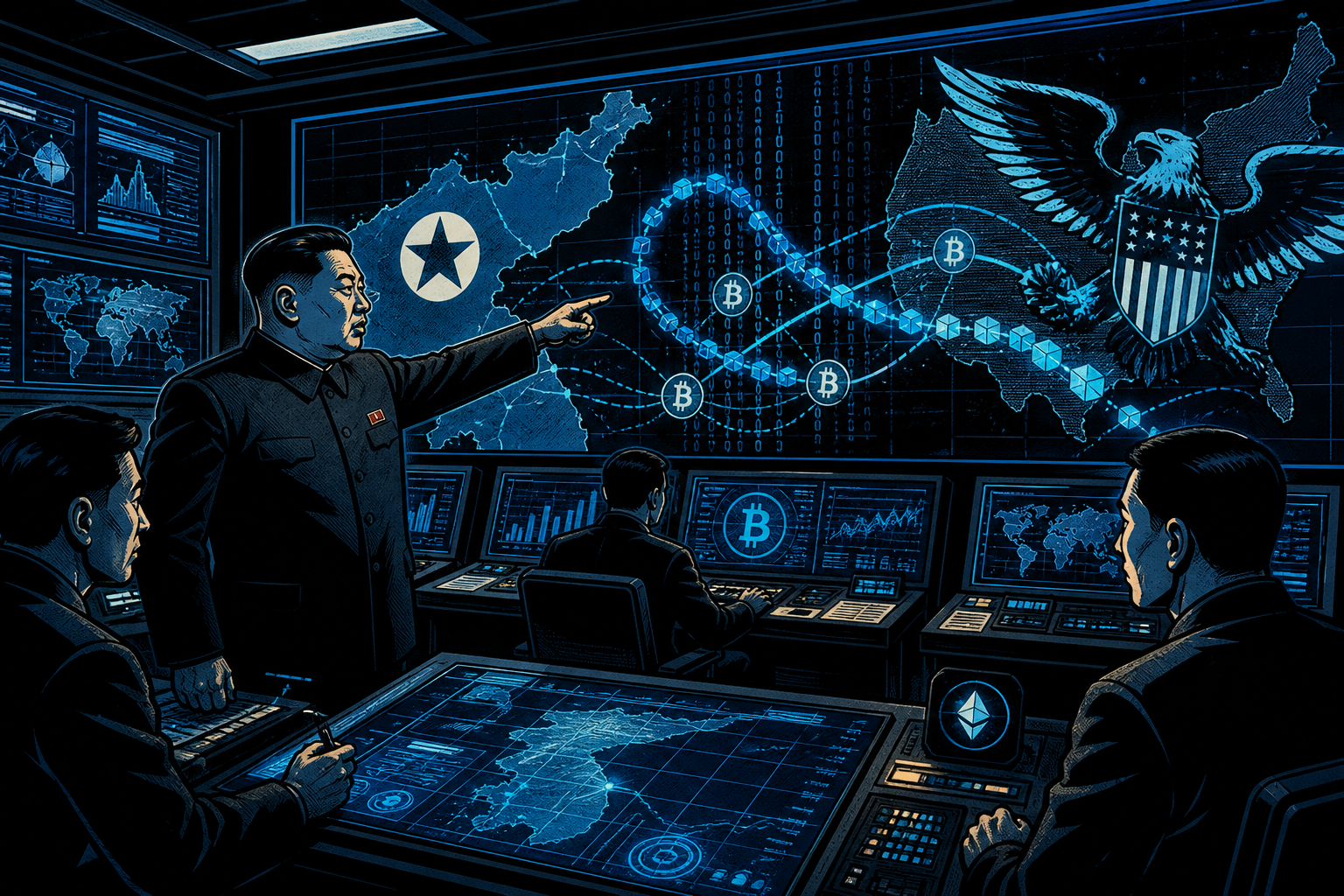
DPRK denies allegations, yet data ties it to most 2026 crypto hack losses, signaling rising cyber activity.
North Korea has rejected fresh accusations linking it to large-scale cryptocurrency theft. Officials described the claims as politically motivated and aimed at justifying pressure from Washington. The response comes as blockchain data shows a sharp rise in hacking activity tied to the country. Analysts say the scale and pace of incidents have intensified in early 2026.
A spokesperson for North Korea’s Foreign Ministry dismissed the allegations as “absurd slander,” according to the Korean Central News Agency. Authorities argued that the United States is using cyber accusations as a policy tool. Officials also questioned why Washington, described as a leading cyber power, portrays itself as a victim. Pyongyang warned it would take necessary steps to defend its interests.
Data from TRM Labs presents a different picture. Analysts estimate DPRK-linked actors stole about $577 million in digital assets between January and April 2026. That figure represents roughly 76% of global crypto hack losses during the period. Activity has risen sharply from earlier years, when the country accounted for less than 10% of losses.
Two major April incidents drove most of the total. A $292 million exploit targeted KelpDAO, while a separate $285 million breach hit Drift Protocol. Combined, both attacks made up a small share of total incidents but dominated losses. TRM linked the KelpDAO breach to TraderTraitor, a group associated with the Lazarus network. Attribution for the Drift incident remains under review.
Cumulative theft tied to North Korea has now exceeded $6 billion since 2017, according to TRM estimates. International authorities say these funds often support military development. A recent United Nations report stated that stolen digital assets contribute to nuclear and missile programs.
Enforcement actions have continued in response. The U.S. Treasury’s Office of Foreign Assets Control sanctioned several individuals and entities in March. Officials said the network generated nearly $800 million in 2024 through IT worker schemes and crypto transactions.
Tensions remain high as both sides maintain opposing narratives. Washington points to financial tracking data, while Pyongyang frames the issue as political pressure.
Related News
Explore more