 Samuel·October 14, 2026
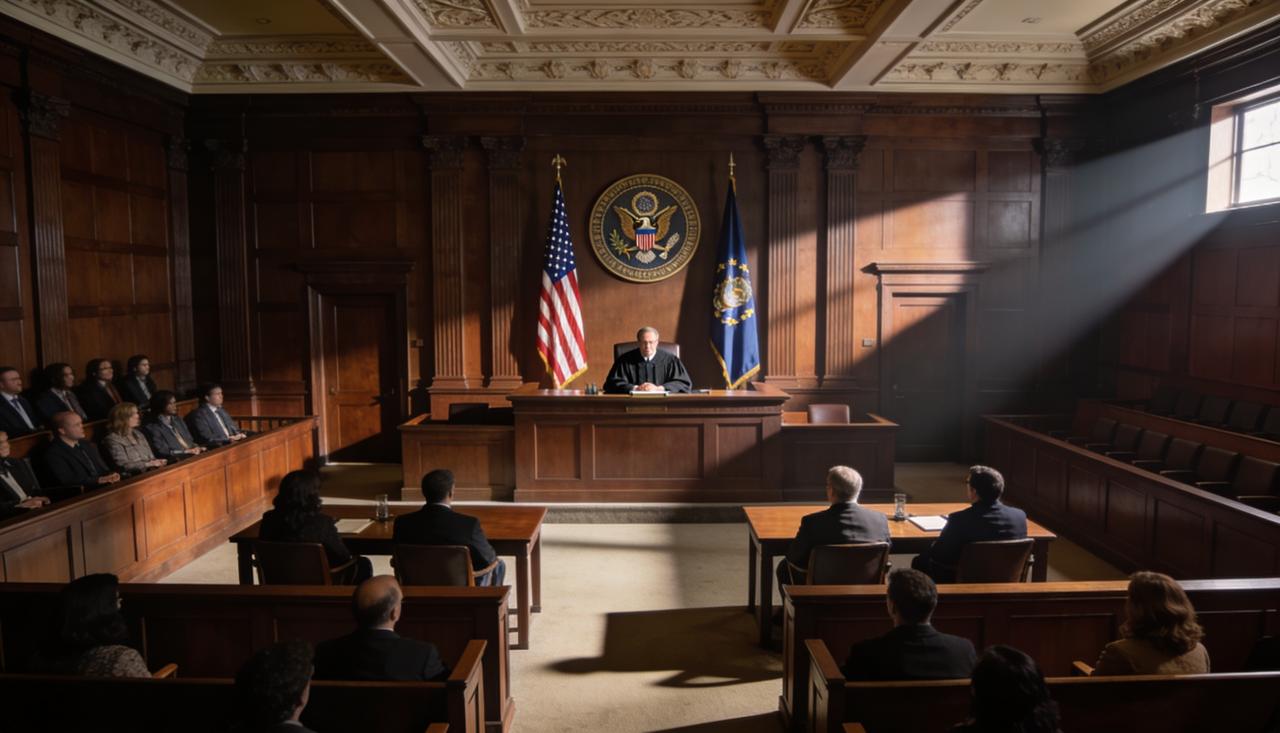
The Senate unanimously decided Thursday to prohibit senators and their staff from trading in prediction markets, a practice that has come under increasing criticism on Capitol Hill in recent months.
Sen. Bernie Moreno (R-Ohio) led the resolution, which bars senators and staff from using prediction markets. It goes into effect immediately.
The prohibition comes in response to traders profiting from classified military moves.
There were concerns that staff were trading on insider information. As a result, the Senate felt more oversight was needed.
Bipartisan outrage resulted from the trades of wealth based on private information. The senators described the transactions as being similar to insider trading. The new regulations, which establish new requirements, now apply to congressional members and their staff members.
Proud to say my bill to ban members of Congress from insider trading on prediction markets just passed the Senate UNANIMOUSLY!
Serving in Congress is an honor, not a side hustle. Americans deserve to know that their leaders are here for the right reason!
— Bernie Moreno (@berniemoreno) April 30, 2026
The law established an explicit prohibition on trading activities on the Polymarket and Kalshi platforms. These platforms enable trading on offers to bet on political and government outcomes. But now the prediction market industry is in for a harder time.
Kalshi announced on April 22 that it has suspended and penalised one U.S. Senate candidate and two House of Representatives candidates. They were suspended for engaging in political insider trading during their campaigns.
Polymarket quickly applauded the development, writing on social media that they are fully supportive. The cryptocurrency community is anxiously following this move. Experts are concerned this decision will lower volumes on popular betting platforms.
The move follows a recent trend of congressional crackdowns. Other bills seek to target individual contracts and officials in federal agencies. Obviously, the prediction market industry is in new federal focus.
Many observers agreed that there would be some regulation, but few thought it would be unanimous. It demonstrates a rare occasion when the Senate was united. In fact, the age of legislators going all in on their own proposals is over.
Much of the behind-closed-doors debate centred on national security. Members of Congress were concerned that war or peace betting provides perverse incentives. So the prediction market prohibition applies to any event related to national security.
The law is a reflection of the growing unease with making money from politics. Some have called on legislators to never gamble on their own votes. In the end, the legislation seeks to promote confidence in Congress.
The cryptocurrency industry will face changes because of the new compliance requirements. Some people see it as excessive while others see it as a guide for ethical behavior. The ban on prediction markets is a game-changer for digital asset regulation.
The transparency of blockchain allows the government to monitor these transactions. This means that the newly imposed ban will be quickly enforced. The Senate has given the government oversight of all relevant digital wallets.
Investors can expect greater scrutiny for any website that hosts political contracts. The House of Representatives may follow suit with similar bans. Traders are now having to adapt to these developments.
Crypto and federal law continue to be a moving target. We’ll be watching how these regulations affect the ecosystem.
Related News
Explore more