 Samuel·1d ago
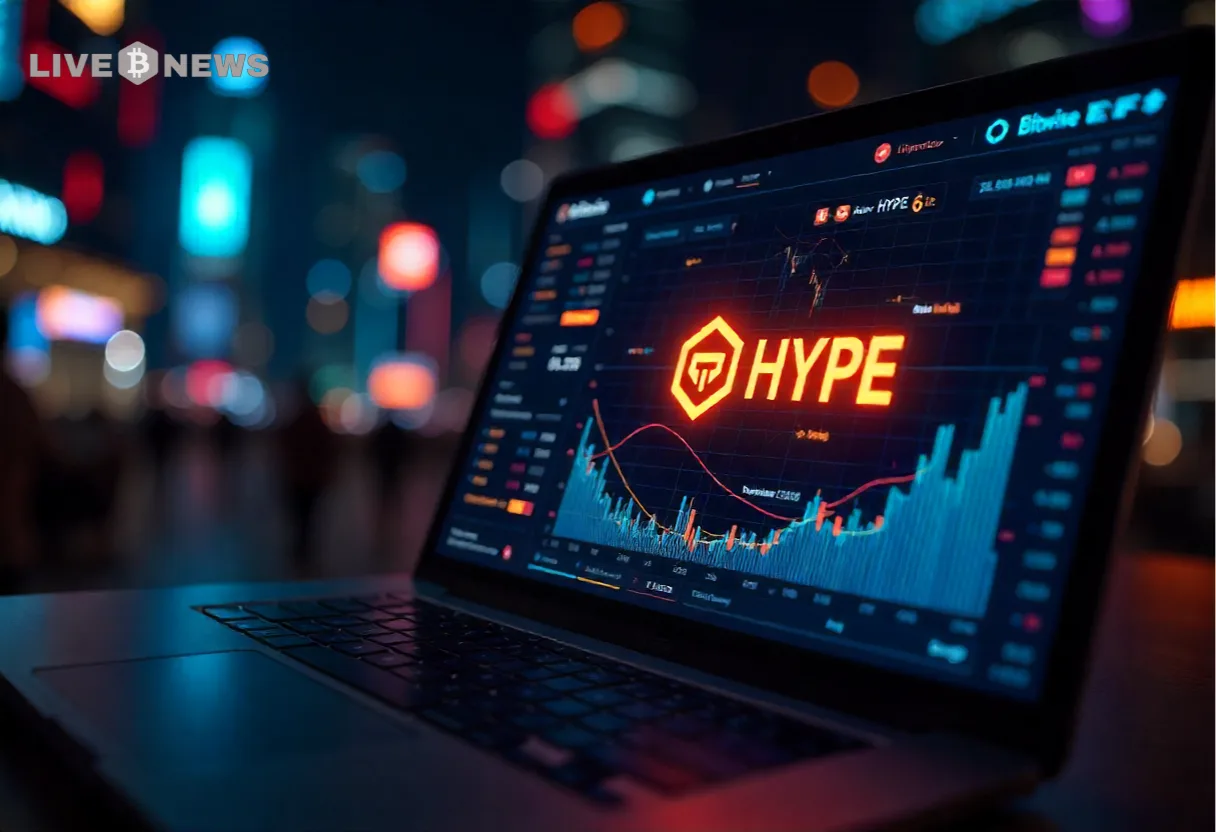
Hyperliquid spent over $1.16 billion buying back HYPE token, and Forbes contributor Zennon Kapron says that the automatic buyback engine is pushing prices higher.
Most people credit the HYPE token’s sharp rally to ETF expectations. However, Forbes contributor Zennon Kapron points to a stronger reason. Hyperliquid has been quietly spending more than $1.16 billion to repurchase its own token. That money flows through the platform’s Assistance Fund every single day.
Moreover, this buyback is not a decision of the board of directors. The mechanism operates automatically, with almost all of the protocol’s trading fee revenue. So, all the trades on the platform have an indirect impact on the price of the HYPE token without any manual effort required.
Hyperliquid has directed nearly all of its trading fees towards open-market HYPE purchases since its launch. The protocol repurchased $316.76 million in HYPE in Q3 2025 alone in 3 months. Furthermore, few public companies pay out that much to shareholders.
Hyperliquid Has Used Nearly All Trading Fee Revenue, Over $1.16B, to Buy Back HYPE
Forbes contributor Zennon Kapron argues that HYPE’s recent rally is driven less by ETF expectations than by Hyperliquid’s built-in buyback mechanism. Since launch, Hyperliquid has funneled nearly… pic.twitter.com/D9C4g6cLt6
— Wu Blockchain (@WuBlockchain) May 24, 2026
Furthermore, traditional companies need to vote and approve buyback programmes quarterly. Hyperliquid has taken that decision out of the equation. Consequently, the buyback occurs automatically, consistently and without delay or interruption all year long.
Related Reading: Grayscale Moves Closer to Launching Hyperliquid HYPE ETF | Live Bitcoin News
Kapron notes the amounts are large enough to move the token price on their own. This is a built-in mechanism that offers more solid and stable price support than early inflows of ETFs. The system ensures a constant demand floor under the HYPE token at all times.
The HIP-3 governance upgrade has boosted Hyperliquid’s revenue by a lot. This upgrade enables traders to establish perpetual markets for real-world assets without needing any permission. Therefore, traders can now access 24/7 perpetuals for gold, silver, and crude oil directly on the platform.
Moreover, surging global demand for these traditional assets pushed enormous trading volume through Hyperliquid. That volume directly correlated with increased trading fees for the protocol. Those higher fees then further boosted the automated token buyback system even more than before.
Since the HYPE expansion, there has been a tremendous amount of interest in HYPE from institutions. HYPE ETFs were introduced to the market and had significant inflows from traditional finance. This has led to the token being backed by retail and institutional investors at the same time.
But there is a clear and important risk in this entire system, warns Kapron. The buyback mechanism is completely volume-dependent and requires trading to be effective. So, when the trading volume drops off a cliff during a market downturn, fee revenue will fall rapidly. This means that the automatic price floor is undermined at the very time the market requires it.
To conclude, Hyperliquid has created a strong positive feedback loop. The more trading, the more fees. The more fees, the bigger the buybacks. Buyback is a positive for token prices. But the same cycle is just as effective when the market goes down.
Related News
Explore more