 Samuel·October 14, 2026
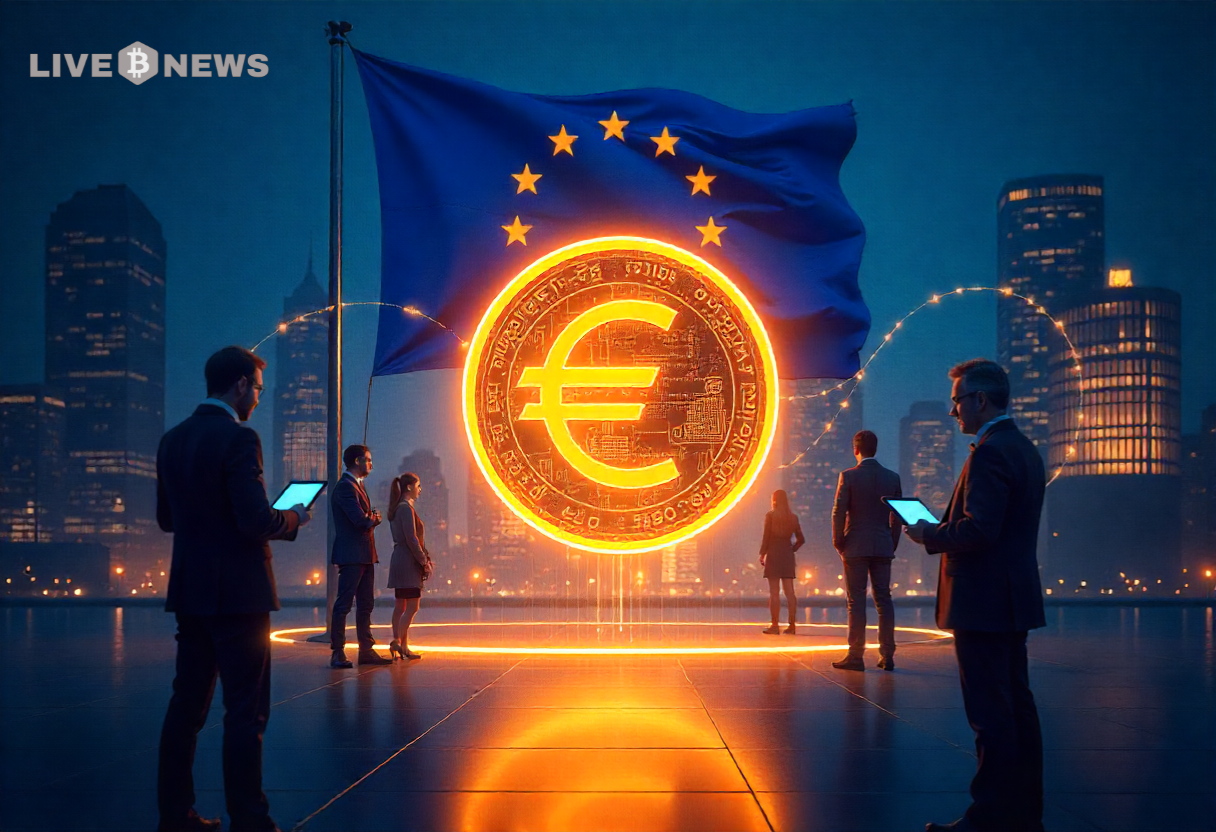
The EU’s 20th sanctions package bans all Russia and Belarus crypto providers, blocking digital asset access in a sweeping enforcement shift.
The European Union has taken its most sweeping crypto enforcement action yet.
As part of its 20th sanctions package against Russia, the bloc prohibited all transactions with crypto asset service providers based in Russia and Belarus.
The move goes further than any previous package.
Rather than targeting individual platforms, the EU now bans the entire ecosystem. The package also adds new digital assets to its restricted list, effective May 24, 2026.
Previous EU sanctions packages focused on naming specific platforms. That strategy, officials now acknowledge, was not working.
According to TRM Labs, the EU explicitly noted that further individual listings would only push operators to launch replacement platforms. The bloc cited this directly as the reason for the blanket prohibition.
The pattern TRM Labs describes as the “Russian rebrand” played out clearly after law enforcement seized Garantex in March 2025.
Former operators launched Grinex, a near-identical platform registered just months earlier in December 2024.
The A7A5 stablecoin served as the financial bridge, allowing users to move balances from Garantex to Grinex seamlessly.
Related reading:
TRM Labs data shows that even under successive US, UK, and EU designations, the user base for these platforms kept growing.
Transaction volumes dropped, but adoption continued. That dynamic pushed the EU toward a broader, ecosystem-wide approach.
The 20th package expands Annex LIII, the EU’s list of prohibited crypto assets.
RUBx and the digital ruble now join A7A5, which was already designated under the 19th package. All three are subject to a transaction ban starting May 24, 2026.
The digital ruble ban is notable. Russia has not yet launched its central bank digital currency at scale. Its planned mass rollout is scheduled for September 2026.
The EU’s preemptive ban aims to close that potential circumvention channel before it becomes widely operational.
A parallel framework under Belarus sanctions mirrors these measures. It bans Belarus-based crypto providers and adds the Belarusian digital ruble to the restricted assets list.
The package also targets Meer, a Kyrgyz trading platform used for trading A7A5, TRM Labs reported.
The shift from entity-based screening to a blanket prohibition changes compliance requirements significantly.
Teams can no longer rely solely on checking names against a designated list.
According to TRM Labs, firms now need tools that identify the domicile and operational base of any crypto service provider they interact with.
Russia-based platforms, including newly created ones, fall under the ban regardless of whether they appear on a specific designation list.
The measures also build on the EU’s Markets in Crypto-Assets Regulation, which has been fully applicable since December 2024.
Jurisdictional screening and counterparty diligence are now central to staying compliant.
Related News
Explore more