 Samuel·2d ago
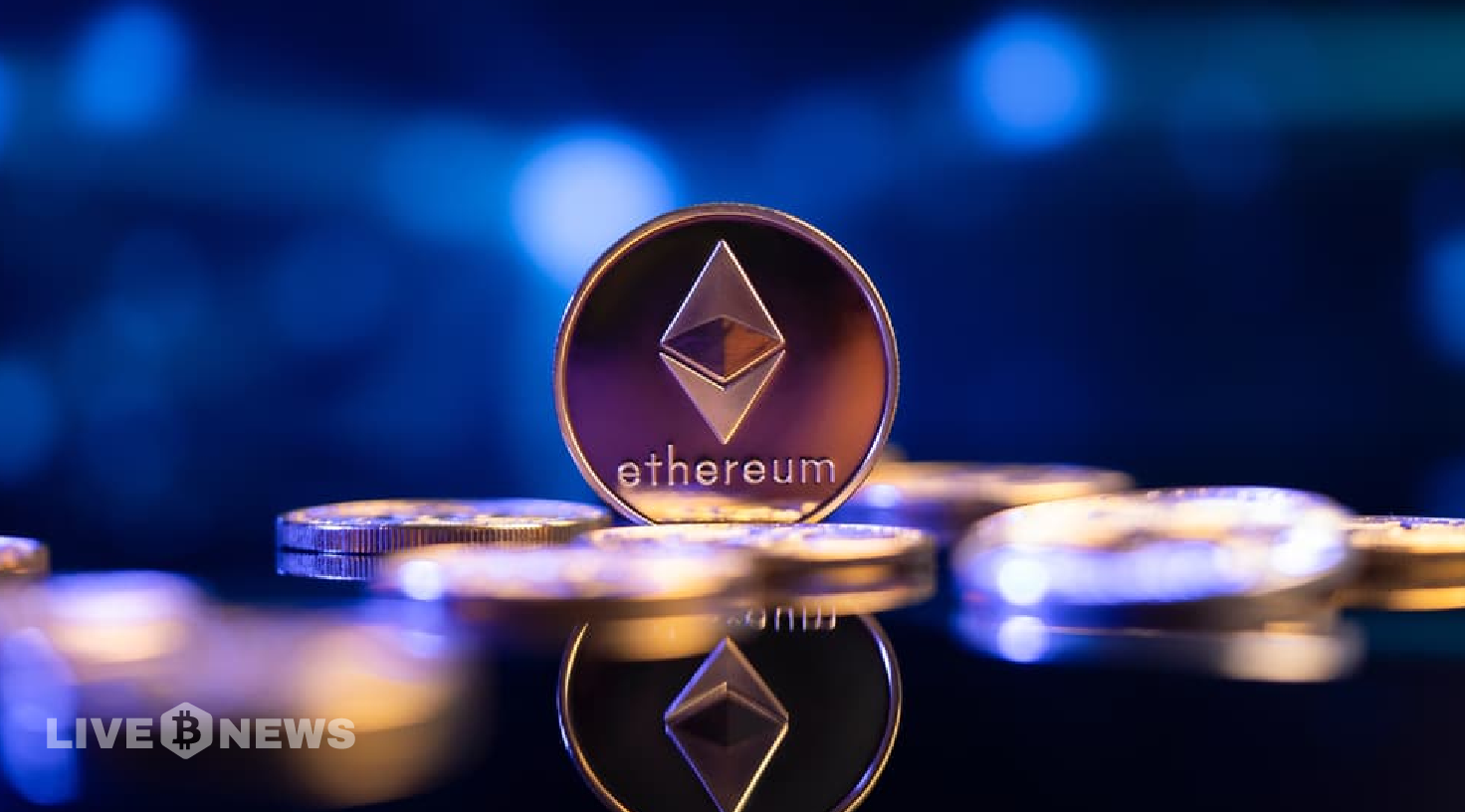
Ethereum’s next upgrades may use ZK proofs to connect L1 and L2 networks, reduce bridge risk, and speed token transfers.
Ethereum co-founder Joseph Lubin has outlined a future upgrade path aimed at faster movement between Layer 1 and Layer 2 networks.
The expected changes center on zero-knowledge proofs, which can verify activity without exposing every detail on-chain.
According to Lubin’s comments, the goal is to make Ethereum networks work together with smoother settlement and lower bridge risk.
The update has drawn attention because bridges have often been weak points across crypto infrastructure.
Lubin said Ethereum is moving toward a system where different networks can connect faster and more safely.
This includes Ethereum Layer 1 and several Layer 2 networks. The plan relies on ZK proofs to support faster verification between chains.
🔥 Co-founder Joseph Lubin shared that Ethereum is getting close to some important upgrades.
Soon, different networks (Layer 1 and Layer 2s) will be able to work together much faster and smoother using special technology called ZK proofs.
This means tokens can move between… pic.twitter.com/65eFW2UROS
— Ethereum Daily (@ETH_Daily) June 25, 2026
ZK proofs allow one network to confirm information from another network without repeating every step.
This can reduce delays when tokens or data move across the Ethereum ecosystem. As a result, users may see faster transfers across supported networks.
The change may also reduce dependence on traditional crypto bridges. Bridges often hold or route assets between networks, which can create security risks. A proof-based model could make cross-chain movement less exposed to those risks.
The proposed upgrade path is aimed at making token transfers closer to instant across Ethereum networks.
Faster movement may help users access liquidity across Layer 2 platforms. It may also make DeFi activity easier for apps using several chains.
Lubin described the future system as a way to connect value across the ecosystem.
In this model, funds would not remain trapped in separate network areas. Instead, assets could move through verified systems with stronger coordination.
This would matter for users, developers, and institutions using Ethereum-based services.
Better connectivity may support payments, trading, lending, and tokenized assets. However, the rollout will depend on testing, developer work, and network adoption.
Read Also:
Ethereum Holders Are Under Historic Stress – Is a Major Rebound Next?
Lubin also linked Ethereum’s future role to traditional finance, DeFi, and autonomous AI agents.
He said machine-based systems may need neutral and always-on settlement rails. Ethereum is being positioned as one possible base layer for that activity.
The legacy internet was built for humans. The new financial substrate is being built for machines." 🏛️🤖
Ethereum co-founder Joseph Lubin just laid out an elite macro thesis on why the network is permanently leaving its early crypto phase behind:
🔹 The Systemic Mandate:… pic.twitter.com/MJokZlEk7B
— Cheeky Crypto (@CheekyCrypto) June 24, 2026
AI agents cannot use legacy finance systems in the same way humans do. They may need programmable systems that settle transactions around the clock.
Ethereum’s smart contract model may support those machine-to-machine payment needs.
More advanced activity on Ethereum could also increase network use and ETH burning.
Complex transactions may require more blockspace when demand rises.
For now, the market is watching whether Ethereum’s next upgrades can improve settlement without relying on risky bridges.’
Related News
Explore more