 Bilal Hassan·5d ago
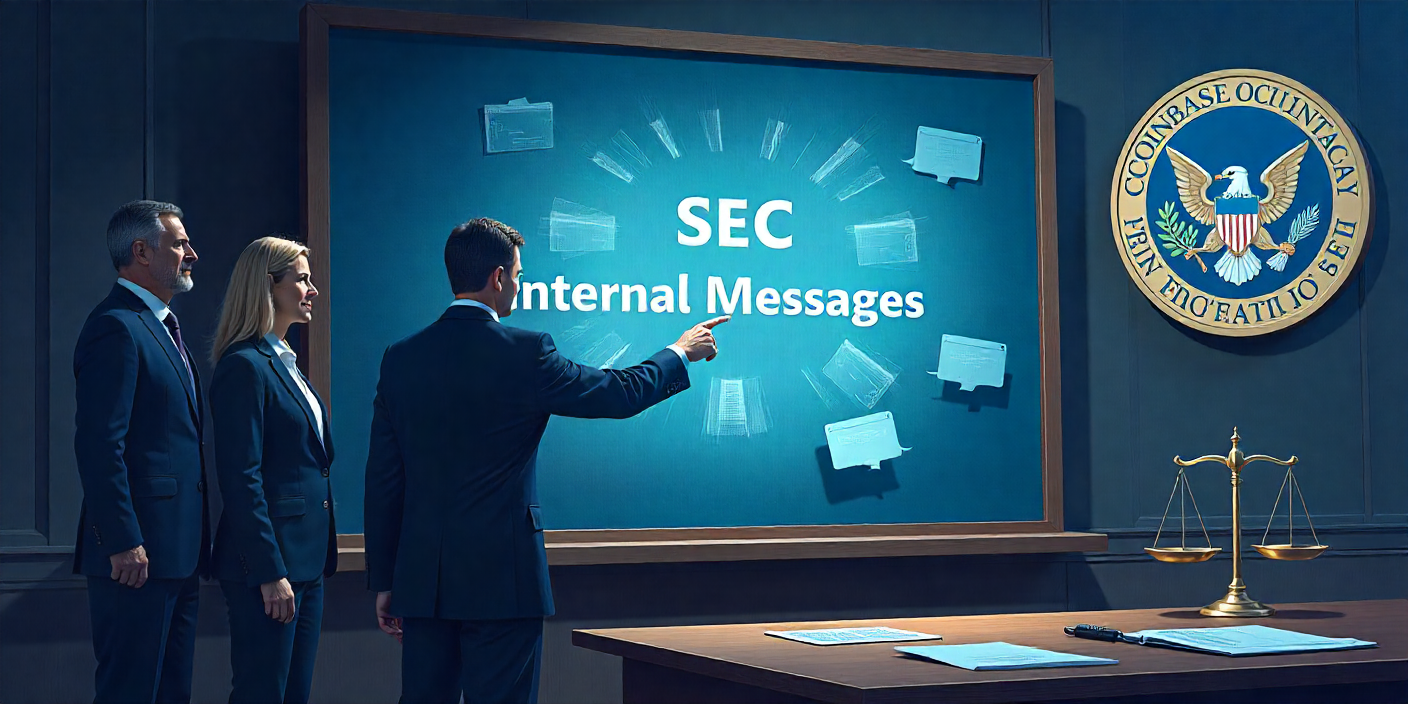
Coinbase secures $150,000 from the SEC after a FOIA lawsuit exposes deleted Gensler texts and its outdated record-keeping rules.
The U.S. Securities and Exchange Commission agreed to pay Coinbase $150,000 to settle a Freedom of Information Act lawsuit. The deal closes a legal fight that began in 2024 over records tied to former SEC Chair Gary Gensler.
Coinbase Chief Legal Officer Paul Grewal announced the settlement in a Wall Street Journal opinion piece. He said the agency admitted losing a full year of Gensler’s text messages during an automatic deletion process.
The case marks Coinbase’s second major FOIA win against a federal regulator in recent times.
Coinbase sued the SEC in 2024 seeking internal communications connected to the agency’s crypto enforcement push.
According to Grewal’s account, the SEC confirmed that messages between Gensler and other senior officials were automatically wiped from its systems. Grewal argued this conflicts with the SEC’s own rules, which require companies to preserve business records.
As part of the settlement, the SEC agreed to pay $150,000 and update its retention policies going forward. A Reuters report confirmed the SEC had not responded to a request for comment on the matter.
The SEC deleted a full year of Gary Gensler's communications at the peak of his campaign against crypto.
The FDIC tried to secretly cut off an entire lawful industry from the banking system and buried the evidence.
The US government doesn't get to operate like this. Unless the… pic.twitter.com/jpOTjUVcAa
— Paul Grewal (@iampaulgrewal) July 22, 2026
Grewal framed the case within a wider pattern of what Coinbase describes as coordinated action against crypto firms. He referenced Operation Choke Point 2.0, a campaign critics say pushed banks to cut ties with lawful crypto businesses.
Democratic Representative Maxine Waters has separately raised concerns about bank accounts closed without explanation or appeal. Grewal noted that Coinbase and Waters disagree on many crypto issues but share concerns on this specific point.
The lawsuit also targeted the Federal Deposit Insurance Corporation, which settled separately in February 2026. That FDIC settlement paid Coinbase $188,440 over secret so-called pause letters sent to banks.
Read also:
Coinbase Insider Admits Base Trust Is Broken as ‘Avoidable’ Mistakes Pile Up
Grewal called the outcome a transparency win rather than a financial one, saying the goal was government accountability.
On X, he described the SEC’s deletion of Gensler’s messages as occurring during the peak of the agency’s campaign against crypto. He also said the FDIC had tried to quietly cut an entire industry off from banking access.
Crypto lawyer John Deaton weighed in publicly, criticizing Gensler’s conduct and alleging close coordination with Senator Elizabeth Warren during past congressional testimony.
Gary Genlser was corrupt. Period. Full stop. He was @ewarren’s puppet – proven by the fact that she gave Gensler the questions and suggested answers to the questions she intended to ask at a congressional hearing. He TESTI-LIED for her.
The ONLY thing bipartisan in Washington… https://t.co/A1clqGvsgx
— John E Deaton (@JohnEDeaton1) July 22, 2026
Reuters noted Coinbase has recorded other wins against the SEC under the current administration, including the dismissal of a major lawsuit filed while Gensler led the agency.
The settlement adds to a string of legal outcomes reshaping how federal regulators handle records requests from crypto companies.
Related News
Explore more