 Peter Mwenda·5d ago
Jack Dorsey has unveiled BUZZ, a new open-source collaboration platform designed to reduce dependence on Slack and GitHub. Developed by Block, the platform combines team messaging, code collaboration, and AI agents in a decentralized workspace built on the Nostr protocol.
Block officially launched BUZZ on July 21 as a free, open-source platform where human teams and AI agents can collaborate within one workspace. Dorsey announced the launch on X, describing BUZZ as “model-agnostic, decentralized, self-sovereign, and open source.”
The platform combines channels, direct messages, discussion threads, voice communication, media sharing, code repositories, and automated workflows together. Consequently, teams can manage conversations, software development, and AI-powered tasks without switching between several productivity applications.
we're launching BUZZ!
a new groupchat platform for teams of people and agents of all sizes, built to reduce our dependency on slack and github. model-agnostic, decentralized, self-sovereign, and open source. 🐝https://t.co/8IaMVeTQNo
— jack (@jack) July 21, 2026
Unlike traditional workplace tools, BUZZ gives every AI agent its own cryptographic identity and permission controls. Each agent can review code, execute approved workflows, contribute to discussions, and maintain its own activity history alongside human users.
According to Bradley Axen, Block’s Head of AI Capabilities, future workplaces will require environments where humans and AI agents work together. He added that the company’s goal is building an open platform instead of another proprietary collaboration service.
BUZZ also supports multiple large language models, allowing organizations to deploy agents powered by OpenAI’s Codex, Anthropic’s Claude Code, and other compatible frameworks. This model-agnostic approach gives companies flexibility without locking them into one AI provider.
Block built BUZZ on the decentralized Nostr protocol to solve identity management for both people and AI agents. Every participant owns a cryptographic keypair, allowing identities, permissions, and reputations to move across compatible Nostr systems.
Additionally, every message, workflow action, code review, and repository event is recorded as a signed event, creating a transparent audit trail. The software is released under the Apache 2.0 license, allowing developers to modify, self-host, or commercialize the platform.
Organizations can run BUZZ on their own infrastructure or choose Block’s managed hosting service through buzz.xyz. However, the current release remains an early version, offering desktop applications for Windows, macOS, and Linux, while mobile clients are still under development.
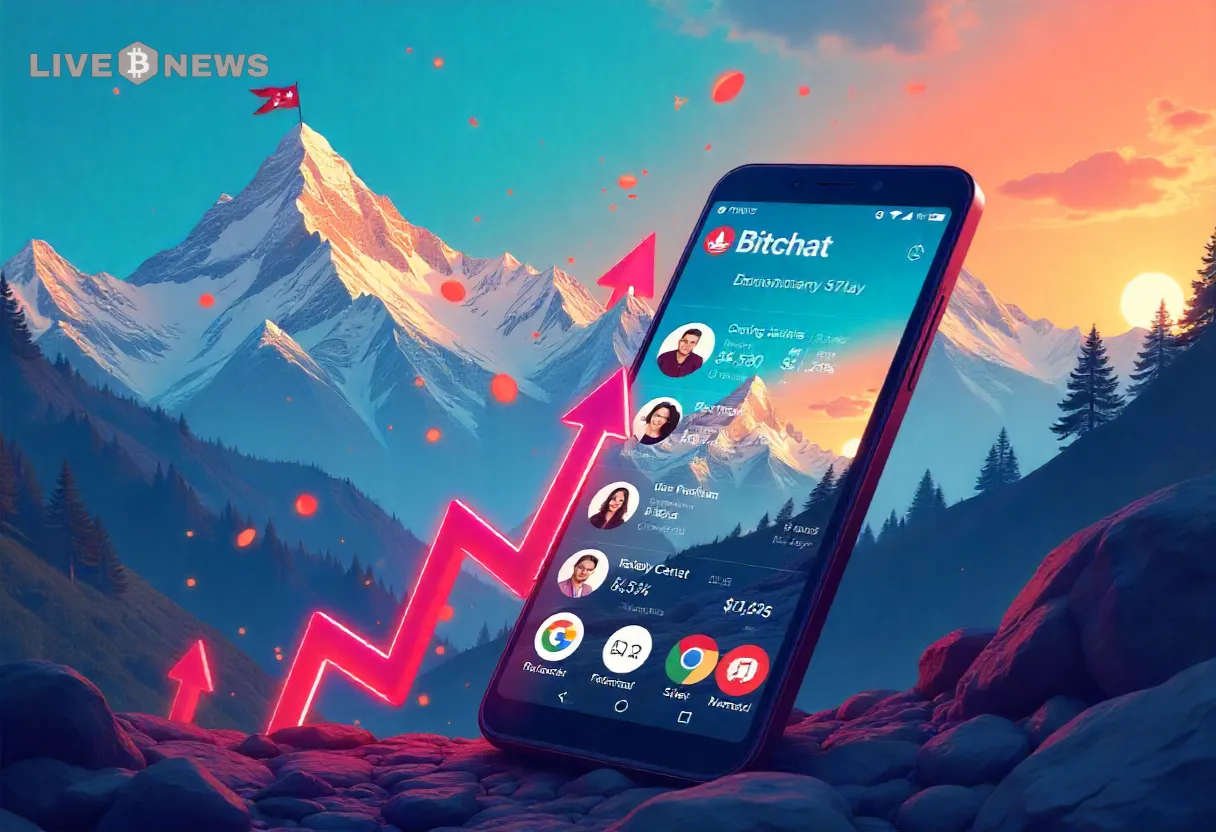
The launch continues Dorsey’s long-standing support for decentralized internet technologies following his departure from Twitter. He has funded several Nostr-based projects, including the Bluetooth messaging application Bitchat, while promoting open-source alternatives to centralized online platforms.
Earlier this year, Block reduced its workforce by more than 4,000 employees as Dorsey emphasized that artificial intelligence would fundamentally reshape how companies build products and operate. BUZZ reflects that broader strategy by positioning AI agents as active participants rather than standalone software assistants.
Related News
Explore more