

Latest in Bitcoin Payments
47
Total stories
12
Writers
Virtual Сrypto Сards with Lowest Fees in 2026
March 12, 2026
Stellar Private Payments Goes Open-Source, Changing Everything
February 24, 2026
Bitcoin Goes Mainstream: Vegas Juice Bars to Kenyan Malls
January 25, 2026
Japan’s Bitcoin Giant Launches Dividend Shares
December 23, 2025
Bitcoin Payments & Real-World Adoption
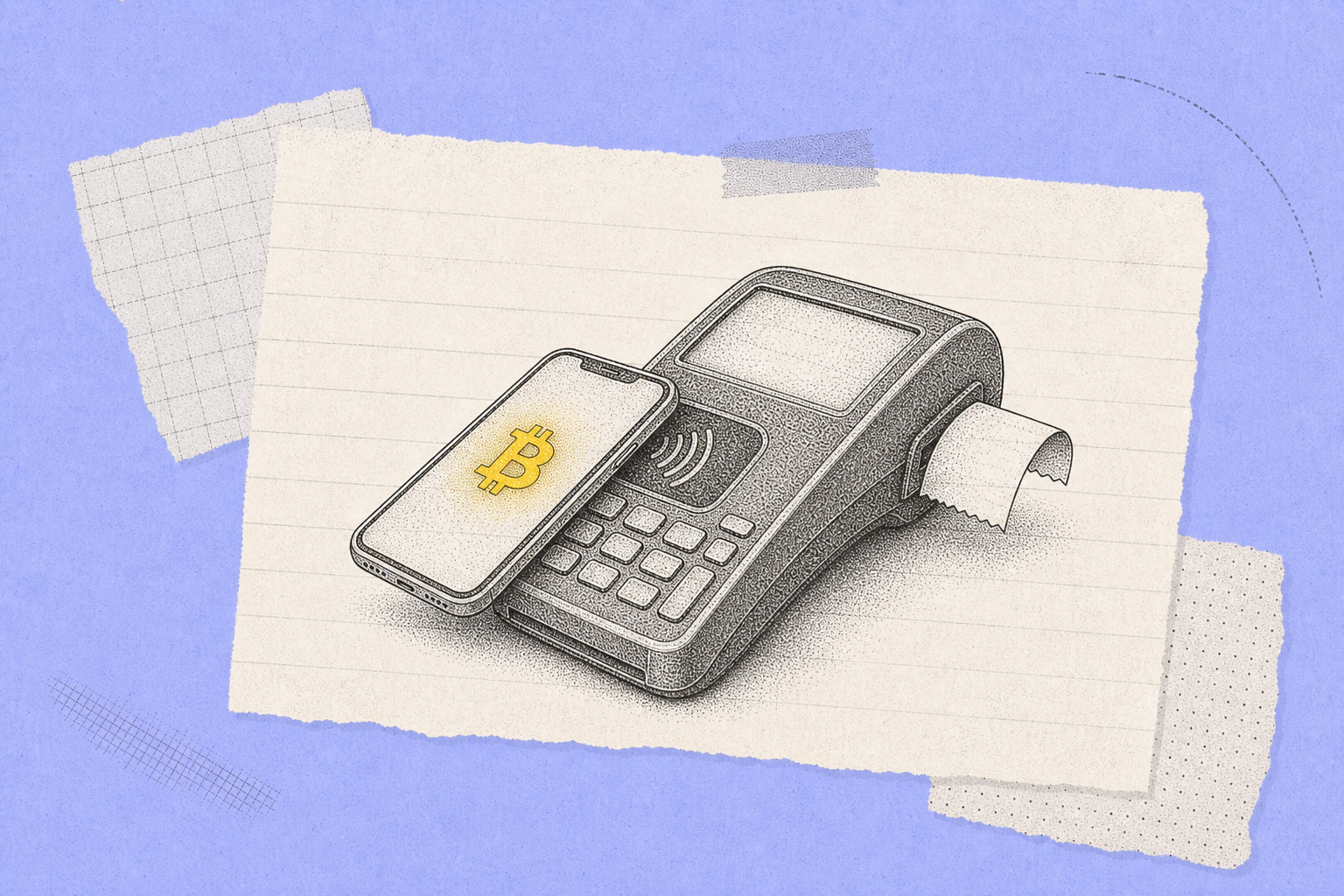
Bitcoin is becoming a real way to go for goods and services. An increasing number of businesses are accepting it now, which makes it simpler to shop online, pay for digital services and book trips. At last, it is heartening to see Bitcoin being used the way it was meant to be, as a medium of exchange of value and not just a speculative asset.
Who Accepts Bitcoin in 2026?
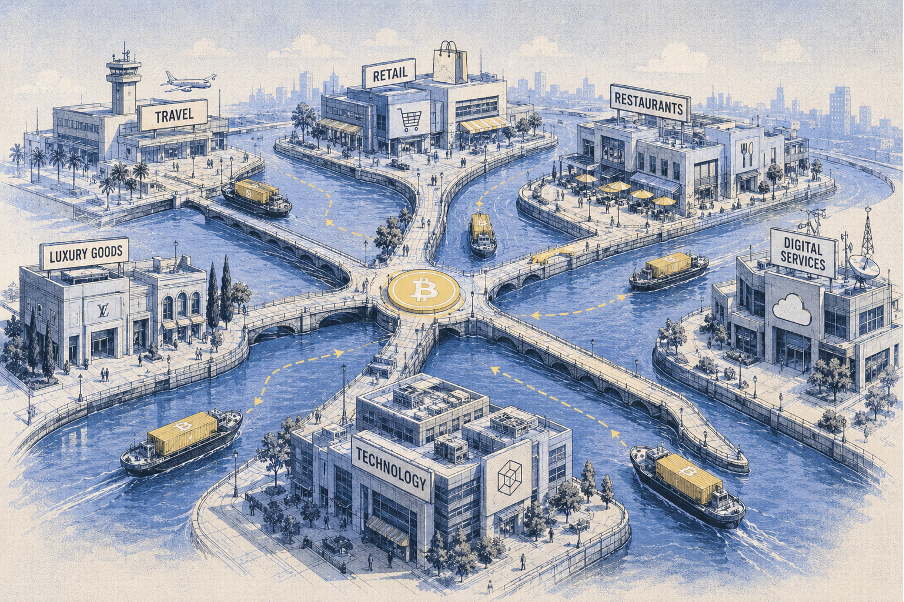
As crypto adoption grows, more people want to know who accepts Bitcoin on a daily basis. Places that accept crypto as one of the payment options include:
Technology Firms
Technology brands were among the first to accept Bitcoin payments. Microsoft has been accepting BTC payments for selected services for years. AT&T also allows customers to pay applicable bills via BitPay. In some regions, subscription payments on Twitch can also be made with crypto.
Online Shopping
Digital commerce continues to play a major role in BTC’s growing use as a payment method. Many online sellers now support cryptocurrency checkouts through payment gateways that process Bitcoin transactions. Companies such as Newegg and Beyond were among the early adopters, while Shopify has made it possible for many independent stores to receive Bitcoin payments. As crypto-friendly shopping grows, shoppers have more ways to buy with Bitcoin across a wide range of online stores.
Restaurants and Cafés
Food businesses have also embraced crypto payments. Chipotle, Burger King, and Subway accept cryptocurrency through third-party payment processors in selected locations. Starbucks customers can also top up their accounts using supported crypto payment services. Many local cafés and restaurants now support Lightning Network payments for faster Bitcoin transactions.
Luxury Brands
Several luxury brands such as Gucci and Balenciaga accept cryptocurrency in selected stores. Hublot, TAG Heuer, and Ralph Lauren also support crypto payments through providers such as BitPay.
Travel and Entertainment
Airlines allow customers to book flights and hotels with several cryptocurrencies. Cross-border payments become easier because travelers avoid the steps involved in traditional currency exchange. Entertainment companies have also adopted crypto payments. Sports teams, including the Dallas Mavericks, have also offered tickets and merchandise purchasable with digital assets.
Digital Services
Many online services now accept BTC, including VPNs, web hosting, domain registrars, and software providers. Some take Bitcoin directly, while others use payment processors for easier checkout. After paying from a wallet, service usually starts once the payment is confirmed. Many providers also require a new payment each billing cycle instead of automatic renewals.
Real Estate and Gift Cards
Some real estate developers, particularly in crypto-friendly regions, now accept digital currency to sell property. Luxury cars and yachts can also be bought through brokers that handle cryptocurrency payments.
Gift cards are another easy way to spend crypto. Users can trade BTC for cards from hospitality giants such as Amazon, Walmart, Best Buy, IKEA and Uber on platforms such as Bitrefill and Gyft. And that increases the number of businesses that accept Bitcoin without merchants having to accept it directly.
What Can You Buy With Bitcoin?
Bitcoin has grown far more than a digital asset for trade alone. Nowadays, people use the OG asset to purchase everyday items and value-added services. Rising adoption has also increased interest in who accepts Bitcoin, as consumers look for more goods to buy with their assets. Below are some items traders can buy with Bitcoin across different industries.
Travel
Travel is one of the most practical ways to use Bitcoin. Bitcoin Travel helps users reserve flights through travel partners while paying with BTC. Several other companies allow customers to book flights and other travel services using cryptocurrency.
Cars
Buying a car with Bitcoin is now becoming normal as crypto is now accepted as payment for a vehicle. A number of exotic and luxury car dealers, as well as some conventional auto dealers, will take Bitcoin directly through processors such as BitPay.
News media and advertising
Media companies have also started accepting cryptocurrency. Time began accepting crypto payments for digital subscriptions via a partnership with Crypto.com. Also, advertising platform Thumzup Media accepts cryptocurrency payments via Stripe’s “Pay with Crypto” service. As customer geography expands, more digital businesses are offering similar payment options.
Insurance
Some insurance companies now allow customers to pay with Bitcoin. Swiss insurer AXA accepts cryptocurrency for most of its insurance products except for life insurance. In the U.S., Universal Fire and Casualty Insurance Company of Michigan accepts crypto for eligible insurance services.
Technology and Online Shopping
Companies such as Newegg, AT&T, and Microsoft accept cryptocurrency for a variety of selected products and services. Japanese e-commerce innovator Rakuten has recently introduced crypto payment options to a number of markets. These are just a few examples of the growing number of businesses that accept Bitcoin.
Jewelry and Luxury Watches
Bitcoin can also be used to buy luxury goods, as an online jewelry store such as BitDials accepts BTC and other cryptocurrencies for high-end watches and jewelry. Its selection includes Rolex, Cartier, Chanel, and Patek Philippe.
How To Make Purchases with Bitcoin in 2026
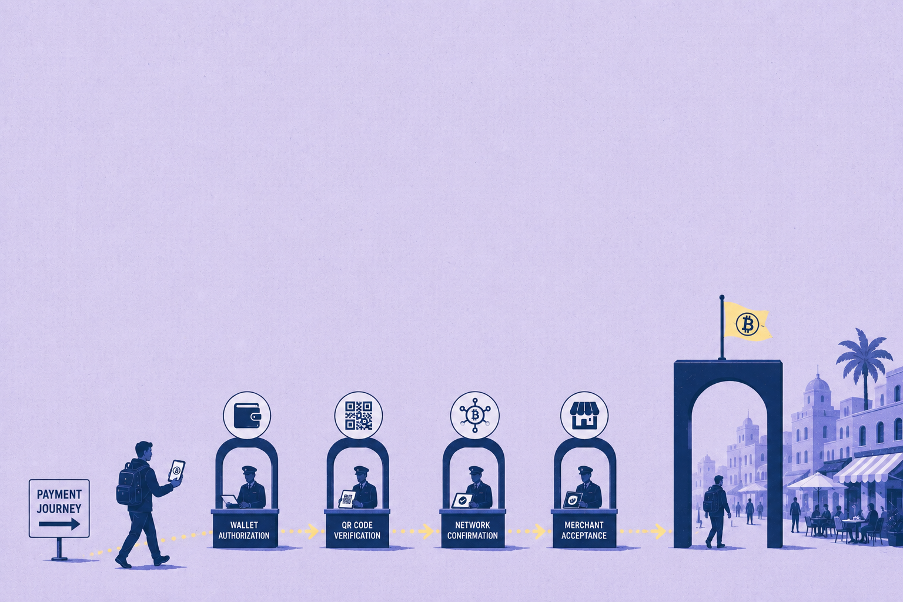
Crypto payments are now accepted by a growing number of online shops, retailers and service providers. Users can pay directly from their wallet, with a crypto debit card, or easily swap BTC for local currency during checkout. Anyone wondering who accepts Bitcoin will find that adoption now spans e-commerce, travel, luxury goods, gaming, and many other industries.
Pay with QR Codes
QR code payments make Bitcoin transactions faster and more convenient by removing the need to enter long wallet addresses manually. Most Bitcoin wallets include a built-in QR scanner that instantly captures the merchant’s payment details. Once the code is scanned, the payment amount appears automatically for confirmation before the transaction is processed.
Peer-to-Peer (P2P) Payments
Peer-to-peer (P2P) payments are arguably the simplest way to shop with Bitcoin. Buyers can simply send funds from one wallet to another directly, without the need for a bank. All that is needed is the recipient’s wallet address or a QR code making it a great option for personal payments and direct purchases.
Buy Bitcoin Before Spending
Many users can purchase Bitcoin through cryptocurrency exchanges or fiat on-ramp services like Simplex. Some services also provide virtual crypto debit cards and automatic crypto-to-fiat conversion, allowing users to pay with BTC even if a merchant requests local currency.
Use Crypto Payment Gateways
Businesses looking to accept Bitcoin often rely on crypto payment gateways to process transactions faster. Some platforms handle payments efficiently while offering automatic conversion from Bitcoin to local currencies when needed. That feature reduces exposure to price swings and simplifies payment processing.
Benefits of Using Bitcoin Payments
Bitcoin payments enable reliable cross-border and local payments for businesses without the need for a bank intermediary. Lower cost, faster settlements and global reach are just a few of the key benefits of BTC that are driving more and more businesses to accept it as a payment option.
Lower Transaction Fees
Credit cards or online payment platforms can cost processing rates of up to 4% per transaction. In contrast, Bitcoin payment processors charge less than 1% per transaction, allowing local businesses to keep more of their earnings.
Accepted Worldwide
Using Bitcoin, international transactions are made easy even without banks or currency exchange services. That enables businesses to accept payments from customers around the world without paying for currency conversion fees, which significantly reduces banking delays.
More Secure Payments
Transactions are cryptographically protected using Bitcoin technology to ensure the integrity of the payment. After a payment has been processed, it is not possible to cancel or reverse it via a chargeback. That reduces fraud risk and reduces the chance of payment disputes for merchants.
Direct Payments Without Banking Delays
Bitcoin gives businesses direct control over incoming payments without depending on banks or third-party payment processors. Funds can be received and accessed at any time, removing delays caused by banking hours. Growing acceptance also supports long-term business growth by offering faster, more flexible payment options.
Countries Adopting Bitcoin
Bitcoin has grown beyond its role as a private investment and is gaining recognition at the national level. Several countries now include BTC in broader financial strategies, seeing it as a tool for expanding financial access, attracting capital, and supporting digital payments. Growing government interest reflects the asset’s rising role in the global economy.
El Salvador Leads Bitcoin Adoption
In 2021, El Salvador became the first country to introduce Bitcoin as a legal tender. Citizens can use it for everyday purchases in addition to other national currencies. The context attracted worldwide attention and sparked a debate about the role of digital currencies in national policies.
Central African Republic Joins In
The Central African Republic was also among the first countries to adopt Bitcoin as legal tender. While adoption has faced practical and economic challenges, the move showed that some governments are willing to experiment with cryptocurrency at a national level.
Countries With Bitcoin Reserve
Government participation in the Bitcoin market has grown steadily over the past decade. An increasing number of governments now hold the asset as part of their national reserves. These holdings come from various sources, including law enforcement seizures, state-owned mining farms, both direct purchases and publicly disclosed holdings.
Collectively, the total holdings related to governments amount to approximately 649,944 BTC. That represents about 3.1% of Bitcoin’s fixed maximum supply of 21 million coins. The table below shows the countries with known Bitcoin reserves, their estimated value, and how those holdings were acquired.
| Country | Bitcoin Holdings (BTC) | Estimated Value | Primary Source of Holdings |
| United States | 328,372 BTC | ~$19.6 billion | Criminal investigations, asset forfeitures, and law enforcement seizures |
| China | 190,000 BTC | ~$11.4 billion | Confiscated assets from major fraud and criminal cases |
| United Kingdom | 61,245 BTC | ~$3.7 billion | Criminal investigations and law enforcement seizures |
| Ukraine | 46,351 BTC | ~$2.8 billion | Public asset disclosures and government-controlled wallets |
| El Salvador | 7,693 BTC | ~$460 million | Direct government purchases for the national reserve |
| United Arab Emirates | 6,420 BTC | ~$384 million | Government investment driven by crypto and blockchain initiatives |
| Bhutan | 4,973 BTC | ~$297 million | State-affiliated Bitcoin mining powered by hydroelectric energy |
| Kazakhstan | 3,544 BTC | ~$212 million | Holdings linked to the country’s Bitcoin mining sector |
| North Korea | 803 BTC | ~$48 million | Alleged state-sponsored cyber theft and hacking activities |
| Venezuela | 240 BTC | ~$14 million | Government-held Bitcoin reserves |
| Taiwan | 210 BTC | ~$13 million | Government-owned Bitcoin holdings |
| Finland | 90 BTC | ~$5 million | Confiscated digital assets |
Bitcoin Payment Trends
Starting out as a niche payment option, Bitcoin is now part of the growing business-to-consumer payments landscape. More people use BTC for everyday purchases as it offers better infrastructure and faster transactions. As adoption continues to grow, payment trends offer a clear view of how Bitcoin is becoming part of the global economy.
Lightning Network Continues to Drive Growth

One of the biggest reasons behind Bitcoin’s payment growth is the Lightning Network. Built as a second layer on the Bitcoin blockchain, it eliminates high fees while enabling almost-instant transactions. That makes Bitcoin more suitable for everyday transactions that were previously difficult due to slow confirmations and high transaction costs.
Industry reports show that Lightning adoption continues to rise. According to CoinGate, Lightning payments are making up an increasing share of Bitcoin transactions and payment volumes have grown over the last several years. River also estimates that Lightning transaction volume is now more than $1 billion per month and is expected to grow over time.
Even with these gains, everyday Bitcoin spending is still facing limitations. has become a trillion-dollar asset now, with exchange-traded funds, institutional investors and even government reserves. Yet paying for simple purchases, such as a cup of coffee, remains difficult in many places.
According to GoMining CEO Mark, slow and inefficient payment infrastructure remains one of the biggest barriers to wider adoption. To address that issue, GoMining recently introduced a Layer 1 instant Bitcoin payment protocol designed to make transactions faster and easier for merchants and consumers.
Merchant Adoption Continues to Expand
Businesses across several industries continue to accept BTC as a payment option. Crypto payments have drawn interest from e-commerce, wealth, travel, technology and luxury retailers. Payment processors have also made it easier for businesses that accept Bitcoin to process transactions without directly handling blockchain functions. Many merchants can settle transactions in local currency while still allowing customers to buy with Bitcoin.
Luxury retailer Goldgenie is one such example. The company has accepted Bitcoin and other cryptocurrencies since 2015, including Ethereum, XRP, and USDT. It recently announced a 300% increase in overall crypto payment activity over a six-month period, according to a report.
The bespoke customisation company said this is the strongest growth in crypto payments since it offered digital asset payments. Rising demand among luxury buyers shows that more consumers are choosing to buy with Bitcoin for premium products.
CoinGate’s latest payment report also supports that trend. Bitcoin remains one of the top three cryptocurrencies in most merchant transactions, with the platform processing more than 1.42 million crypto payments in 2025. As merchant adoption grows, more businesses that accept Bitcoin are appearing across retail, travel, and online commerce.
Better Infrastructure Drives Long-Term Growth
Mobile wallets, QR code payments, payment gateways, and Layer 2 solutions have made payments easier for merchants and customers. Lower fees and faster settlement times also eliminate many of the obstacles that once limited Bitcoin’s use for daily purchases.
Although traditional payment methods still dominate retail spending, current trends point to steady progress. As the network of businesses that accept Bitcoin strengthens and payment networks grows, it is easier to answer questions such as “Who accepts Bitcoin?” and “Where is Bitcoin accepted?” Bitcoin has become a more viable payment option for everyday transactions in global markets as more retailers join the ecosystem.
National Playbooks, MoUs, and Sovereign Constraints
Countries share regulatory and operational playbooks through MoUs and state-branded Bitcoin events. MoUs are intent signals; implementation still depends on local law and capacity. IMF program conditions can constrain or pause sovereign Bitcoin purchases even when officials keep marketing reserve growth. Distinguish wallet reshuffles and branding from verified reserve policy.
Subnational Bans, Licensed Rails, and Adoption Rankings
U.S. states can ban public Bitcoin reserves or government crypto payments while private holding stays legal. Elsewhere, licensing can create Bitcoin-focused banks or service menus with capital floors. Adoption indexes often rank hubs by regulation clarity, exchanges, and wealth flows; treat rankings as comparative framing, not proof that everyday payment usage is deep.
Licensed payment rails can also tighten without banning private Bitcoin holding. In September 2026, the Bangko Sentral ng Pilipinas circulated a draft that would pause new Operator of Payment System registrations for 12 months while it reviews classification and licensing, and would require merchant-acquiring banks and e-money firms to deal directly with licensed VASPs under enhanced monitoring and settlement limits. The draft is still open for comment and is not final law. Existing registered operators keep running under the proposal; treat the freeze as a licensing-gate story, not as proof that retail Bitcoin acceptance disappeared.
Explore more
A Brief Introduction to Bitcoin Wallets & Security
AI & Meme Token Presales: How to Read Hype, Fair Launches, and “Best Meme Coin” Searches
Altcoins Explained: Altcoin Season, News, and the Full Coin Map
Bitcoin Basics: Bitcoin ETF, Institutional & Corporate Adoption
Bitcoin Basics: Bitcoin Investing & Valuation
Bitcoin Basics: Bitcoin Mining & Supply Economics