 Emily John·13hr ago

The International Monetary Fund (IMF) has warned that tokenization could fundamentally change the global financial system. While the technology promises faster transactions and greater efficiency, the organization said it could also shift financial risks away from traditional institutions toward digital platforms and smart contracts, requiring updated regulatory frameworks.
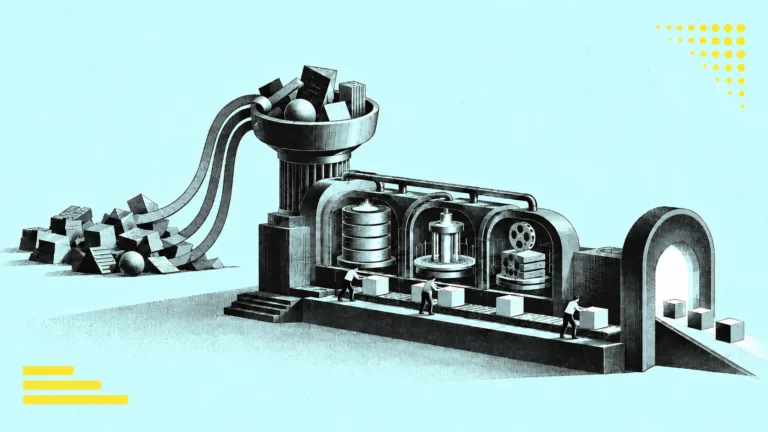
The IMF said tokenization is more than a technological improvement for payments and financial markets. Instead, it represents a structural change in how financial assets are issued, transferred, and settled across shared digital ledgers.
In a blog published on July 2, IMF Financial Counsellor Tobias Adrian said policy decisions made today will determine whether tokenized finance strengthens global markets. However, weak regulatory coordination could also fragment the financial system and create new vulnerabilities.
According to the IMF, tokenization allows ownership, payments, and settlement to occur simultaneously through smart contracts. As a result, transactions that currently require multiple intermediaries and several days could settle within moments.
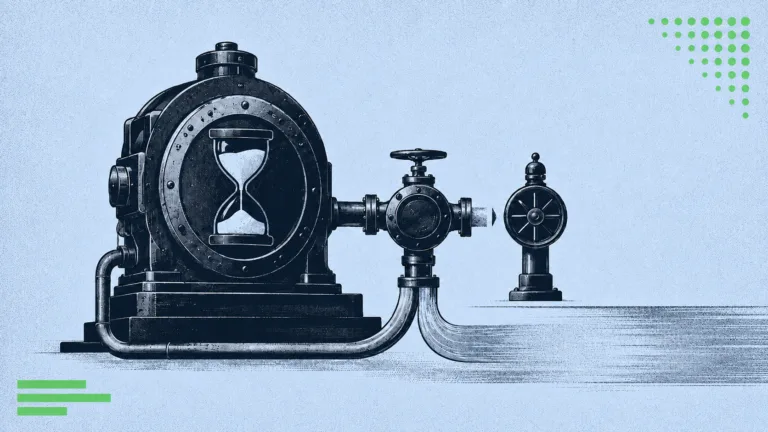
The organization noted that faster settlement improves efficiency while reducing operational costs across financial markets. Nevertheless, those benefits also remove traditional safeguards that give institutions time to detect errors or respond during periods of financial stress.
Consequently, risks could migrate from banks and investment firms toward technology platforms, distributed ledger infrastructure, and the software governing financial transactions. The IMF said regulators must prepare for this shift before tokenized markets become more widely adopted.
Tokenization could shift risk away from banks’ balance sheets towards platforms and code. That changes where vulnerabilities emerge, so policies must adapt. See what this means in our new blog: https://t.co/niSfVsSwgf pic.twitter.com/rH6ogTWl33
— IMF (@IMFNews) July 2, 2026
The report also highlighted that automated collateral management, instant settlements, and continuous trading may increase liquidity pressures. Therefore, financial institutions and central banks could require new real-time liquidity management tools to support market stability.
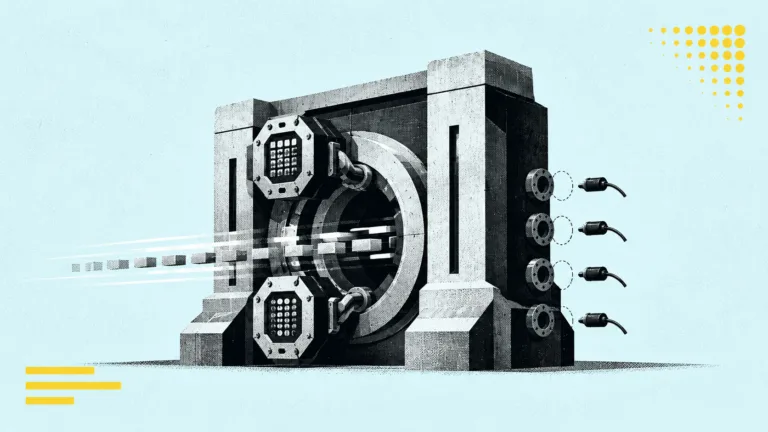
The IMF said policymakers must establish clear legal and regulatory standards before tokenized finance reaches larger global adoption. These standards should address settlement assets, interoperability, governance, and oversight of critical smart contracts.
The organization explained that investors need certainty regarding digital ownership rights and settlement finality across different jurisdictions. Without legal clarity, tokenized financial markets could remain fragmented despite growing institutional interest.
The IMF also discussed different forms of digital settlement assets, including tokenized bank deposits, stablecoins, and tokenized central bank reserves. Each option offers unique advantages, although each introduces different operational and regulatory challenges.
Meanwhile, the report emphasized that banks will continue playing an important role despite changing market structures. Tokenization could improve lending, payments, and treasury management while allowing continuous monitoring of financial risks through programmable contracts.
For emerging economies, the IMF said tokenization may lower cross-border payment costs and improve financial access. However, rapid cross-border capital movements and increased use of global stablecoins could also weaken monetary policy and financial stability.
Ultimately, the IMF concluded that international cooperation will play a central role in determining tokenization’s long-term impact. Strong policy frameworks, coordinated supervision, and common technical standards will help ensure tokenized finance supports efficiency without introducing broader systemic risks.
Related News
Explore more