

Trump to Meet Coinbase, Ripple, and Chainlink CEOs at White House
 Peter Mwenda·1d ago
IMF flags stablecoin risks in Nigeria as crypto inflows hit $59B, raising concerns over dollarization and monetary policy. Nigeria is rapidly becoming one of the world’s biggest stablecoin markets. The International Monetary Fund has flagged this shift in its latest Article IV report. Nigerian households and small businesses are now using U.S. dollar-pegged crypto assets […]
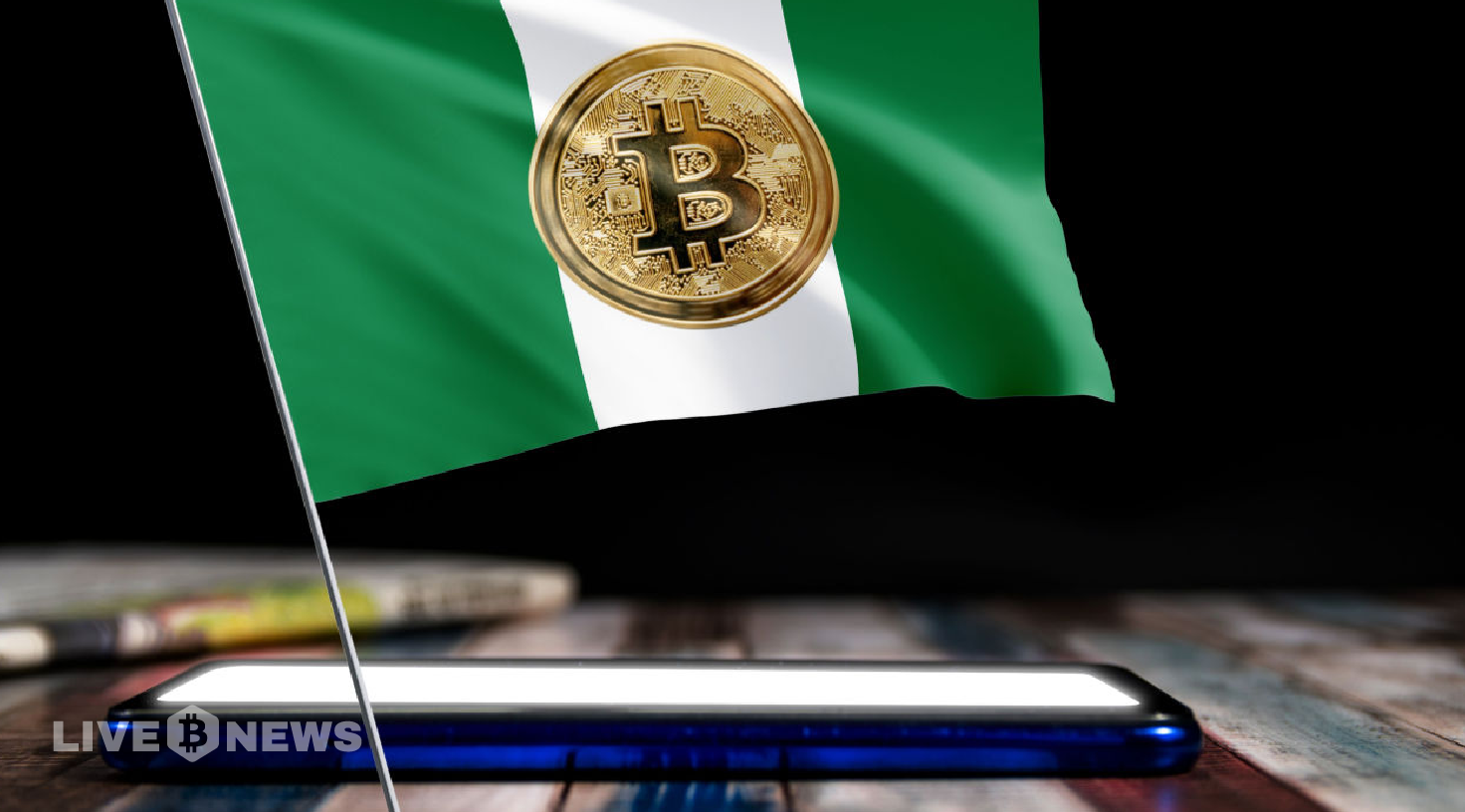
IMF flags stablecoin risks in Nigeria as crypto inflows hit $59B, raising concerns over dollarization and monetary policy.
Nigeria is rapidly becoming one of the world’s biggest stablecoin markets. The International Monetary Fund has flagged this shift in its latest Article IV report.
Nigerian households and small businesses are now using U.S. dollar-pegged crypto assets for cross-border payments. The scale of adoption is raising fresh concerns over monetary sovereignty and financial oversight.
Read also:
XRP Ledger Offers Compliant On-Chain Solution IMF Misses for Settlement Gaps
Between July 2023 and June 2024, Nigeria received roughly $59 billion in crypto-asset inflows, per the IMF report.
Chainalysis ranked the country second globally on its 2024 Global Crypto Adoption Index. It dropped to sixth in 2025, but the trajectory remains significant. Nigeria accounts for about 60 percent of stablecoin inflows across sub-Saharan Africa since 2019.
The pull factors are clear.
Sending $200 to sub-Saharan Africa through traditional channels costs around 9 percent of the transaction value, according to the World Bank.
The global average sits at 6 percent. Stablecoins offer a faster, cheaper alternative for users with a smartphone and internet access.
Domestic conditions pushed adoption further. Naira depreciation, high inflation, and limited access to foreign exchange in 2023 and 2024 drove demand for dollar-linked assets.
After the Central Bank of Nigeria restricted banks from working with crypto exchanges in February 2021, activity shifted to peer-to-peer platforms and less regulated channels.
Nigeria is a major hub for stablecoin inflows in sub-Saharan Africa. Scale brings benefits but also creates risks. IMF analysis identifies four priorities: safeguard monetary stability, strengthen oversight, improve data & upgrade payment infrastructure.https://t.co/tIFUEkd64N pic.twitter.com/jeu10lTTaA
— IMF Africa (@IMFAfrica) June 16, 2026
The IMF report identifies digital dollarization as a primary concern.
Widespread stablecoin use denominates transactions in U.S. dollars. This reduces domestic demand for the naira and weakens the effectiveness of local monetary policy tools.
Financial integrity is another pressure point. Transactions that once moved through banks are now flowing through digital wallets and crypto exchanges.
The IMF notes that monitoring systems built for traditional financial intermediaries may not capture these flows adequately. The speed and anonymity of some platforms raise money laundering risks.
Nigeria’s Securities and Exchange Commission has introduced rules for virtual asset service providers. The CBN has also issued guidance on how banks interact with crypto platforms.
Still, the IMF flags gaps in oversight for stablecoin issuers specifically.
The IMF does not call for a crackdown.
It describes suppression as only partly effective and leans toward a framework that allows innovation while managing risks. Four priorities anchor its recommendations.
First, it urges Nigeria to protect monetary stability by keeping the naira credible. Recent macroeconomic reforms and tighter monetary policy have helped, the report notes. Sustaining that progress remains critical.
Second, the IMF calls for stronger oversight.
Nigeria should clarify how stablecoin issuers are regulated and align domestic rules with frameworks already in place in the EU, Singapore, Japan, and the United States.
Third, better data collection is needed, combining blockchain analytics with reporting on naira-to-stablecoin conversions.
Fourth, Nigeria should invest in faster, cheaper cross-border payment infrastructure, including deeper participation in the Pan-African Payment and Settlement System. The IMF frames stablecoins as a response to real gaps in the payments system, not a passing trend.
Peter Mwenda·1d ago Peter Mwenda·2d ago
 Peter Mwenda·4d ago