
Latest in Crypto Casinos
770
Total stories
33
Writers
5 Best Bitcoin Casinos: List of Top Crypto Gambling Sites Online 2025 (Key Tips Before You Play)
September 11, 2025
Live Dealer Bitcoin Casinos: Real-Time Gaming Meets Crypto Security
September 10, 2025
Best Bitcoin Casinos: 2025’s Top 7 Crypto Casino Platforms
September 9, 2025
Bitcoin Flat in Q3 as Analysts Eye Explosive Q4 Move with Support Retests Holding
September 8, 2025
Crypto Casinos Explained: What Counts as a Crypto Casino, and Where Licensing Rules Bite
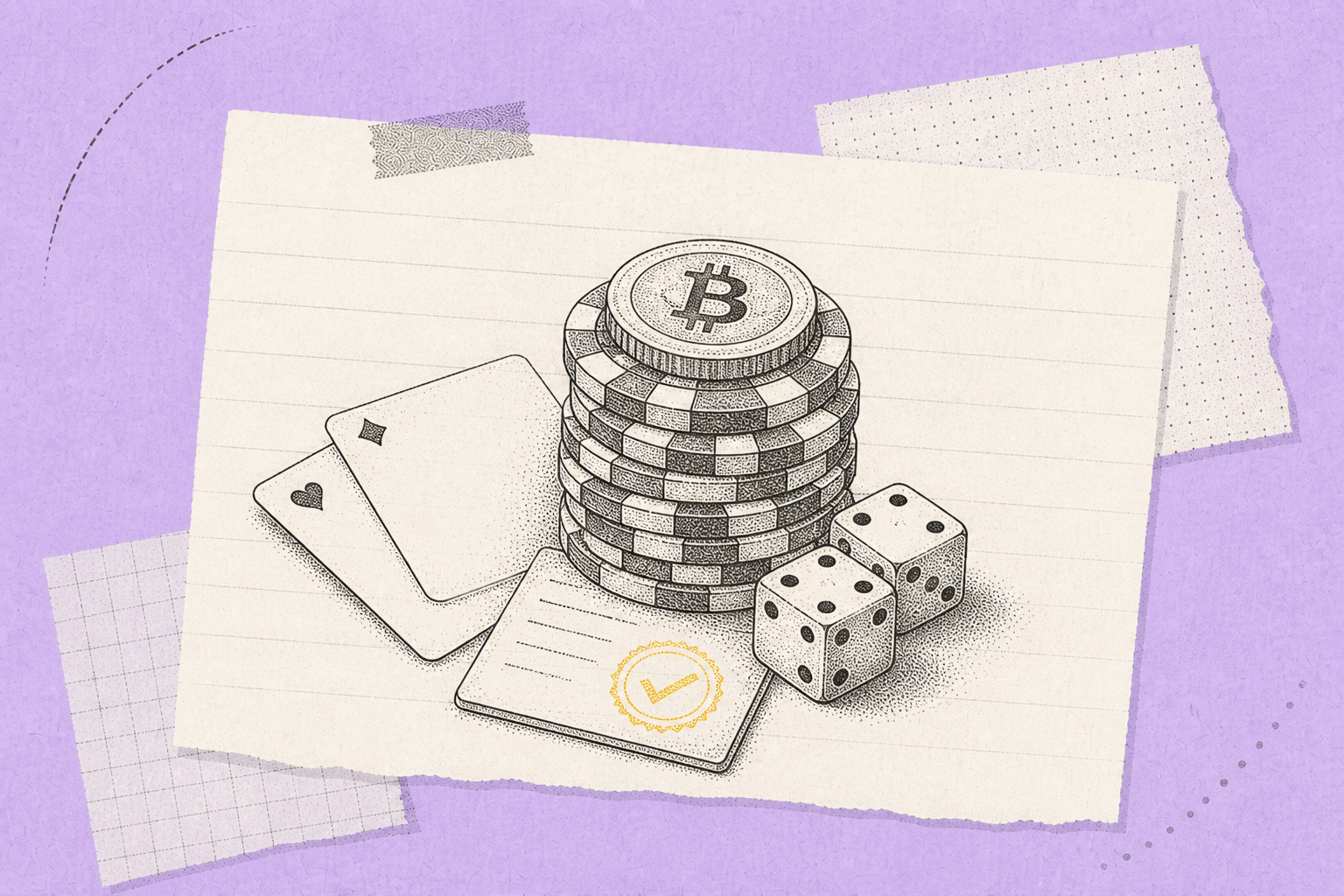
The crypto casino category has grown around a simple idea: use digital assets to fund online gambling. A crypto casino accepts cryptocurrency for deposits and/or withdrawals, but determining which operators are legitimate requires more than checking the payment page. Searches for the best crypto casinos are often shaped by affiliate placements rather than independent rankings.
Crypto casinos started with simple Bitcoin gambling sites but now sit within a much wider regulatory debate. This article traces that journey, covering no-KYC casinos, sportsbooks and country-specific products while explaining why licensing geography determines where these operators can legally serve players.
Licensing Fights and Crypto Deposit Rules Changing Casino Access
Access to crypto casinos is being shaped by two forces: tighter gambling rules and the wider use of crypto payments. Prediction markets are facing new disputes over whether event contracts belong under financial-market or gambling laws. At the same time, licensed gambling regulators are considering how crypto payments could work within existing rules, while stablecoins are becoming a common payment rail.
Prediction Markets and Event Contracts Under Gambling Law
Prediction markets have become a major regulatory battleground in the US. Event contracts let users take positions on future outcomes, including sports, elections and other events. CFTC-regulated markets treat these products as financial contracts, while several states argue that some contracts are closer to gambling.
The dispute intensified in 2026. In April, the CFTC sued Arizona, Connecticut and Illinois after the states challenged CFTC-registered prediction markets. The agency argued that federal law gives it exclusive authority over these markets.
New York has also faced a CFTC challenge over state efforts to restrict event contracts, while the agency continues to examine how prediction markets should be regulated, including contracts linked to gaming.
Crypto-settled products add another layer to the dispute. A product may appear to be a bet to a user while falling within a financial regulator’s framework. For crypto gambling, that distinction matters because the rules can change depending on the product, operator, and customer’s location.
Licensed Markets Weighing Crypto Payment Rules
Licensed gambling operators do not yet have broad approval to accept crypto deposits in the UK. Instead, regulators are examining whether crypto-assets could work as a controlled payment option within the existing gambling framework. In February 2026, UK Gambling Commission executive director Tim Miller said the Commission had begun examining how licensed gambling operators in Great Britain could use crypto-assets. He stressed that the work was still in its early stages, with no implementation deadline.
Consumer demand is part of the discussion. Miller said “crypto” was among the two most common search terms directing British consumers to illegal gambling sites. Therefore, regulators have another reason to consider whether licensed operators could offer a regulated alternative.
Risk remains central to the debate. UKGC guidance currently treats crypto-assets as a high-risk payment method because of issues involving source of funds, customer identification, volatility and money laundering. Operators introducing new payment methods must assess the associated risks and report any relevant changes to the Commission.
June 2026 comments from the Commission reinforced that position. John Pierce said crypto payments were still being considered with the Industry Forum and would need to meet licensing objectives and money-laundering requirements. For now, crypto payments in licensed gambling remain a policy movement. Any future system would still need controls covering customer identification, source of funds, and transaction monitoring.
Stablecoin Deposits and Affiliate “Best Casino” SEO
Stablecoins have become important to crypto gambling because they provide a more predictable unit of account than Bitcoin and other volatile assets. USDT and USDC, for example, allow players to deposit without taking on the same price swings that can affect BTC during a gambling session.
Forbes reported in 2025 that stablecoins had become an important payment rail for crypto gambling, while later industry reporting pointed to continued growth in stablecoin deposits. Their appeal is straightforward: players and operators can work with a dollar-linked balance without constantly accounting for major changes in crypto prices.
However, stablecoins do not remove compliance risks. UK Gambling Commission guidance still points to concerns around the source of funds, customer identification, volatility and money laundering when crypto-assets are used for gambling payments.
Search behaviour adds another layer to the market. Queries such as best crypto casinos,” “best online crypto casino,” “Bitcoin casinos,” and “crypto casino no deposit bonus” often lead to affiliate comparison pages rather than independent rankings.
Those pages can help readers understand what players are looking for, but a “best” label should not be treated as a regulatory judgment. Affiliate publishers may earn commissions from referrals, meaning rankings can reflect commercial relationships rather than an independent assessment.
Bonus hunting, rakeback and no-deposit offers are common themes in these pages, while more experienced players may focus on bankroll rules, withdrawal conditions and provably fair games.
Readers should therefore separate search-driven rankings from licensing information. A casino can rank highly for a commercial keyword while still facing restrictions in a particular country. Crypto payments may make deposits easier, but licensing geography still determines where a crypto casino can legally operate.
What a Crypto Casino Actually Is
A crypto casino is an online gambling product that accepts cryptocurrency for deposits, withdrawals, or both. It can offer familiar games such as slots, blackjack and roulette, while some platforms also provide live dealer tables. Bitcoin, Ethereum and stablecoins can all be used as payment methods, but accepting cryptocurrency does not confer a gambling license on an operator.
Crypto gambling is a payment-rail label, not a legal status. Whether a casino can legally serve a player depends on its license, location and the gambling rules that apply in that market. A crypto casino also differs from a sportsbook or prediction-style event product. Sportsbooks focus on sporting wagers, while prediction platforms deal with outcomes beyond traditional casino games. Each category has its own regulatory questions and is covered separately.
Crypto Casinos vs Traditional Online Casinos
For most players, the main difference is the cashier, not the games. Crypto casinos can offer many of the same slots, blackjack tables and roulette games found at traditional online casinos. Instead of using a card or bank transfer, players can send cryptocurrency to a casino wallet address. Transactions settle on-chain, but speed depends on the network, fees and required confirmations. A crypto payment is not automatically faster than a card payment.
Volatility adds another risk because a coin’s value can change between deposit and withdrawal. A player might deposit Bitcoin at one price and see its dollar value move before placing a wager or cashing out. Stablecoins can reduce that price risk, but they do not remove other payment or operator risks.
Marketing claims also deserve a close look. Terms such as “anonymous” and “instant” can sound appealing, but neither guarantees a specific experience. An operator may still require identity checks, apply withdrawal conditions or delay a transaction for compliance reasons.
How Players Talk About the Category
Crypto casino communities use plenty of slang, which can make player discussions difficult to follow. A few common terms help explain how players and operators talk about the category.
- Degen: A self-label for someone who takes high risks, often through aggressive or speculative play.
- Bankroll: Money set aside specifically for gambling rather than everyday expenses.
- Whale: A high-stakes player who wagers large amounts and may receive special treatment from an operator.
- Rakeback: Part of a player’s wagering activity returned as a reward or rebate.
- Provably fair: A cryptographic system that lets players independently verify certain game outcomes.
- Bonus hunting: Searching for and comparing promotions to find favourable bonus terms.
Provably fair systems are common in crypto gambling because they can show how a particular game result was generated. However, they do not prove that an operator holds a gambling licence or can legally serve players in a particular market.
Likewise, terms such as “degen,” “whale,” and “bonus hunting” describe player behavior or marketing activity. They should not be treated as proof that a casino is safe, licensed or suitable for a particular player.
From Bitcoin Dice Sites to a Licensing Fight: How Crypto Casinos Evolved
A crypto casino started with a simple idea: using Bitcoin to place bets without relying on a bank or card processor. SatoshiDice became one of the earliest major Bitcoin gambling services when it launched in April 2012, allowing players to send BTC directly to betting addresses and receive automated results.
That model was basic, but it introduced ideas that still shape crypto casinos today. Blockchain transactions created a public record, while cryptographic methods gave players a way to check game results. SatoshiDice became an early example of what the industry now calls provably fair gambling.
2012–2014: Early Bitcoin Dice Sites and Offshore Casino Marketing
Early Bitcoin gambling sites showed that BTC could work as a gambling payment rail before crypto became a mainstream financial product. SatoshiDice launched in April 2012, while Just-Dice followed in 2013. Players could send Bitcoin directly to gambling addresses and receive automated payouts.
SatoshiDice also helped establish the early Bitcoin casino model. Its operators used overseas infrastructure, and the site blocked U.S. IP addresses in 2013 amid legal uncertainty. Contemporary reporting described these sites as operating outside conventional gambling regulation.
That offshore model remained important as more bitcoin casinos appeared. Players valued direct payments and fewer intermediaries, while operators could target international users without having to navigate every local licensing system.
2017–2018: ICO-Era Casino Tokens and First Regulatory Scrutiny
The ICO boom brought another experiment to crypto gambling: casino projects could issue tokens alongside their gambling products. Developers promoted blockchain-based games, token economies and provably fair systems as ways to attract crypto users.
Ethereum’s arrival in 2015 had already made programmable gambling applications more practical. By the ICO period, developers could build more complex betting systems without relying entirely on Bitcoin’s transaction model.
Regulatory attention also widened as authorities examined the broader ICO market. Gambling projects faced another question: was a token simply a payment asset, or did it carry investment or gambling-related features? That uncertainty added another layer to a sector already operating across multiple jurisdictions.
Crypto gambling was also developing its own culture. Terms such as degen, whale, bankroll and rakeback became common, while provably fair systems remained an important trust signal.
2019–2021: No-KYC Marketing and Stablecoin Deposits Go Mainstream
Crypto casinos began competing heavily on speed, privacy and promotions, with no KYC becoming a major marketing phrase among offshore operators targeting users who wanted fewer identity checks.
Stablecoins also became more useful for gambling because USDT and USDC could reduce some of the price swings associated with Bitcoin. Players could keep a more stable bankroll while still using crypto payment rails.
Promotions became another major customer-acquisition tool. Searches for a crypto casino no deposit bonus or the best online crypto casino could lead users to affiliate reviews, bonus pages and ranking sites. Bonus hunting and rakeback also became familiar parts of crypto casino communities.
2023–2025: Prediction Markets Collide With Gambling Law
Prediction markets pushed the regulatory debate into unfamiliar territory. Platforms began offering contracts tied to elections, sports and other real-world events, creating products that could resemble financial contracts or wagers.
In September 2023, the CFTC ordered Kalshi to stop offering certain congressional-control contracts, finding that they involved gaming and activity prohibited under applicable law.
Sports-related contracts created another point of tension. CFTC rulemaking in 2024 addressed event contracts tied to sports outcomes and noted that state laws can prohibit certain forms of sports wagering.
Prediction markets are not the same as a crypto casino, but their legal disputes still matter. They show how regulators can treat similar products differently based on the underlying product and the jurisdiction involved.
2024–2025: Licensed Markets Debate Crypto Payment Rails
The next question became less about creating a separate crypto gambling category and more about whether licensed operators could accept crypto.
Great Britain offers a useful example. In May 2026, the Gambling Commission’s policy director said the regulator had started discussions about a possible path for crypto assets to become a consumer payment option for licensed gambling. He also stressed that the work remained in its early stages.
Existing rules still apply, with operators required to use permitted payment services. Meanwhile, crypto assets raise added concerns around money laundering, customer funds and transaction monitoring.
So, the industry has moved from crypto gambling outside the traditional system toward asking whether crypto can work inside a regulated gambling system. That question also changes how “best crypto casinos” lists should be viewed. Payment options matter, but so do the operator’s license and your location. The more useful question is whether the casino is licensed to serve you.
Where the Category Splits: No KYC, Sportsbooks, and Country Rules
Crypto gambling encompasses several products that may look similar at first glance. A crypto casino can offer casino games, sports betting, or both, but each category comes with different rules and player considerations.
No KYC and Anonymous Crypto Casinos
“No KYC” usually means an operator does not require full identity checks when you sign up. Some sites may ask for basic details initially and request verification later, especially when you make a large withdrawal or face a security or bonus review.
That means no KYC does not always equal permanent anonymity. Players should read an operator’s KYC and withdrawal terms before depositing, rather than assuming crypto payments bypass identity checks. For more on verification policies, withdrawal triggers, and anonymous play, see the dedicated No KYC crypto casinos guide.
Crypto Sports Betting
Crypto sports betting is a different product from casino gambling, even when both appear under one brand. Slots, roulette, and table games belong to the casino side, while sports wagers belong to the sportsbook.
Crypto usually serves as the stake and payout rail. Players deposit digital assets, place wagers on sports markets, and receive winnings in crypto, but the underlying activity remains sports betting. Local gambling rules therefore still apply. The dedicated crypto sports betting guide covers sportsbooks, payment methods, betting markets, and related risks in greater detail.
Crypto Casinos by Country
Adding a country to a crypto casino search does not create a different type of casino. It changes the legal and access questions surrounding that operator. A site available in one market may be restricted to players in another because licensing, local gambling laws, payment rules, and operator restrictions vary by country.
Our country coverage focuses on the USA, Australia, Canada, and South Africa, with each market covered separately. A casino that works for players in one country may not offer the same access or legal position elsewhere.
For the full country-by-country breakdown, see the crypto casinos by country hub.
Why “Best Crypto Casino” Lists Are Usually Ads
Searches for “best crypto casino” can bring up pages that look like independent comparisons, but many rely on affiliate links or sponsored placements. Publishers may earn money when readers sign up through their links, which means a casino’s position may reflect commercial incentives as much as its actual quality.
Affiliate funding does not automatically make a comparison unreliable. However, readers should check how the publisher makes money and how it decides which casino ranks first. A useful crypto casino comparison should explain factors such as licensing, payment options, withdrawal terms, security and game selection rather than simply naming a winner.
Common Tells Behind Promotional Casino Lists
Promotional lists often give more space to bonuses than information that matters after signup. Large bonus screenshots, free spins and cashback offers can make an operator look attractive without explaining its license or withdrawal rules.
“Instant payout” claims also deserve a closer look because withdrawal speed can depend on the payment method, network conditions, verification checks and casino limits. A headline promising instant withdrawals does not tell you how long a real withdrawal will take.
Ranking patterns can also reveal commercial influence. Check whether one advertiser repeatedly appears first, receives larger bonus placements or gets stronger calls to action. Your supplied ranking example shows several entries marked “Ad,” with large bonuses, instant-payout claims and no-KYC promotions placed beside the rankings.
Affiliate links do not prove that a review is dishonest, but they do show that the publisher can benefit when a reader signs up.
What to Check Instead
Use a ranking as a starting point, then check the information that promotional pages often give less attention.
- License: Find the regulator that issued the license and verify it through the regulator’s own records.
- Geographic restrictions: A bitcoin casino can accept crypto while blocking players from certain countries, so check whether your location is permitted before signing up.
- KYC triggers: Find out when identity checks can occur, since verification may happen before a withdrawal or after certain transactions.
- Withdrawal limits: A casino advertising an instant withdrawal bonus may still impose minimums, maximums or processing limits, so check those terms before depositing.
- Game providers: Look for the companies supplying the games. Names such as Evolution, Pragmatic Play and Hacksaw Gaming tell readers more than a long list of unnamed titles.
A crypto casino no-deposit bonus may appeal to bonus hunters, while a degen might focus on promotions, a whale may care about limits, and another player may value rakeback. Those preferences do not determine whether an operator is trustworthy.
Provably fair systems can provide information about certain game outcomes, but they do not replace licensing checks. A large bonus also says little about whether an operator offers fair withdrawal terms.
For anyone searching for the best crypto casinos, the useful question is not simply which site ranks first. Ask why it ranks first, what evidence supports that position, and who benefits when you click.
Deposit Checks That Matter at a Crypto Casino
A crypto casino can look credible on its homepage while leaving key questions unanswered. Before depositing, check who operates it, where it can serve players, and what happens when you withdraw. Skipping any of these checks means guessing rather than making an informed choice.
- License and operator entity: Find the company behind the site and the regulator that issued its license, then check where that license applies. A license badge alone is not enough; match the operator’s legal name against the regulator’s records before depositing.
- Geographic eligibility: A casino can accept crypto without legally serving every country or state. Check the site’s restricted-location terms before registering, as using a VPN to bypass location restrictions can lead to account issues or withdrawals.
- KYC triggers: “No KYC” does not always mean verification will never happen. An operator may request documents during a withdrawal, after certain transaction levels, or when an account triggers a compliance check, so read the verification terms before depositing.
- Deposit and withdrawal rails: Check which coins and networks the casino supports, along with minimum and maximum limits, processing times, and fees. Sending funds through an unsupported network can result in permanent loss, making the payment details worth checking before any transfer.
- Bonus conditions: A crypto casino no deposit bonus can look generous until its terms come into play. Check wagering requirements, expiry dates, and maximum cashout limits before accepting an offer, especially if you are bonus hunting for extra value.
- Game fairness: “Provably fair” is a claim that needs supporting evidence. For blockchain-based games, check whether the casino explains its verification process, while other games should have evidence from recognized independent testing or certification labs where applicable.
- Support and disputes: Find out how complaints are handled before putting money into an account. Look for a real support channel, clear complaint procedures, and an external regulator or dispute-resolution route where applicable, since a delayed or refused withdrawal can become harder to resolve without them.
- Residual risk: Some risks cannot be judged from a landing page alone. Account closures, disputed withdrawals, security incidents, and sudden rule changes may only become visible through regulator records, independent reviews, or player reports, and none of these removes the underlying risk.
A useful checklist should ask more than whether a site appears among the best crypto casinos. Check the operator, license, location rules, KYC triggers, payment limits, bonus terms, fairness evidence, and dispute options first. Those details tell you far more than a rating badge or promotional banner.
Licensing Geography Decides What Counts as Legal Crypto Gambling
Crypto gambling legality is mostly a licensing and geography question, not a “does it accept BTC?” question. National regulators can blacklist crypto prediction markets as unlicensed gambling even when the product is framed as prediction. Other jurisdictions plan bans or blocks when they classify outcome betting as illegal gambling. U.S. states can also treat event-contract products like sports wagering and order platforms to halt them. Access risk (blacklist, ban, cease-and-desist) is a durable factor for players and operators; it is separate from bonus marketing. Depth on sportsbooks lives on `/crypto-sports-betting/`; geo-specific rules live on `/crypto-casinos-by-country/`.
What Access Risk Means for a Player
Access risk can appear after a player has already funded an account. A crypto casino may operate normally for weeks before a regulator blocks its website or orders it out of a market, turning a routine withdrawal into a much bigger problem.
One recent example is Australia. On July 15, 2026, the Australian Communications and Media Authority (ACMA) asked internet providers to block 10 illegal gambling and affiliate websites, including Zizobet, KingAUD, Lucky Vibe and Betcoin. Investigations found that these services breached Australia’s Interactive Gambling Act 2001.
ACMA said 1,774 illegal gambling and affiliate websites had been blocked since November 2019. It also warned that users of illegal services may not receive the customer protections available through licensed operators, leaving them at greater risk of losing money.
A blocked domain does not always mean an operator disappears. Some services have used mirror sites to bypass previous blocks, but a new domain does not create a license or restore regulatory protection. ACMA has reported finding mirror sites designed to get around its blocking measures.
For a player, licensing is therefore more than a box to tick before choosing a bitcoin casino. Check whether the operator can legally serve your location, whether your state or country is restricted, and whether regulators have taken action against the site or related domains.
A crypto casino that works today may not remain accessible tomorrow, and that can affect what happens to a player’s funds if enforcement follows. The risk matters whether someone is comparing best crypto casinos, looking for rakeback or simply trying to protect their bankroll.
Licensed Markets Treat Crypto Payments as a Policy Rail
In tightly licensed markets, crypto as a gambling payment rail is a policy debate, not an automatic casino feature. Regulators weigh consumer demand against AML, illegal-operator leakage, and responsible-gambling controls before allowing crypto deposits on licensed sites. “Crypto casino” marketing that ignores payment and licensing rules is incomplete literacy. Brand reviews and bonus crowning stay off consolidation locks; dated reviews can live on KEEP spokes after this hub is live. No-KYC / anonymous intent routes to .
Why “We Accept BTC” Is Not the Whole Story
A Bitcoin logo on a casino’s cashier page tells you how you can pay, but it does not tell you whether the operator can legally serve you or what protections apply if something goes wrong.
AML checks, illegal-operator leakage and responsible-gambling tools matter more to regulators than the coin logo itself. UK Gambling Commission guidance states that operators accepting cryptoassets must meet their existing AML and social responsibility obligations. Introducing a new payment method can also require a review of the operator’s AML risk assessment. Crypto payments can raise additional questions about the source of funds, customer identity and transaction activity. UK guidance also treats cryptoasset-related funds as part of a customer’s wider risk profile when assessing money-laundering risks.
Illegal operator access raises another concern because regulators want to know whether an operator is authorized to serve players in a particular market. Australia’s ACMA continues to block illegal gambling services, showing that payment access does not override local gambling rules.
Responsible-gambling controls matter too. A casino can accept Bitcoin while offering deposit limits, self-exclusion and other safeguards, so payment flexibility alone says little about the quality of those protections.
At the moment, rules are still developing across jurisdictions. UK regulators are discussing how crypto could work within licensed gambling, while other markets restrict or prohibit certain crypto payment methods. Making one blanket claim about crypto gambling rules would therefore be misleading.
For players, “We accept BTC” should be the start of the check, not the conclusion. Ask who operates the site, where it is licensed and whether it can legally serve your location. Check its KYC rules, payment limits and responsible-gambling tools before depositing.
A crypto casino’s no-deposit bonus, rakeback offer or claim of “instant” Bitcoin withdrawals does not answer those questions. Nor does a provably fair system replace licensing. Players who identify as a degen, manage a large bankroll or spend time bonus hunting still face the same access and compliance risks.
No-KYC and anonymous casino questions belong in the dedicated no-KYC crypto casinos section, not here. The focus here is narrower: crypto is a payment rail, while licensing and player protections determine whether that rail can legally be offered in a market.
Licensing Geography Will Keep Deciding What “Crypto Casino” Means
Crypto gambling is unlikely to move toward one global rulebook. Licensed markets will keep making their own decisions on crypto payments, creating different rules for players in different countries. Prediction markets add another layer to that divide as more event-contract products launch and regulators test where they fit between financial markets and gambling law. A product available in one jurisdiction may face restrictions in another.
Stablecoins are also likely to take a larger share of crypto casino payments as players and operators seek less exposure to crypto price swings. Over time, that could make stablecoin deposits more common than deposits in volatile coins.
Meanwhile, searches for best crypto casinos will continue to produce affiliate rankings, bonus offers and promotional reviews. Readers will need to look beyond ranking positions and check licensing, market access, payment rules and withdrawal conditions.
For anyone comparing online crypto or bitcoin casinos, geography will remain a key part of the decision. A site can accept Bitcoin, offer rakeback and promote provably fair games without having permission to serve every market. In practical terms, there may never be one answer to what counts as a crypto casino. Its payment method can be global, but its legal status will remain tied to where it operates and who it serves.
FAQ
What is a crypto casino?
A crypto casino is an online gambling site that accepts cryptocurrencies for deposits, withdrawals, or both. Bitcoin, stablecoins and other digital assets may be used alongside casino games such as slots, table games and live dealer games.
What does “crypto gambling” mean?
Crypto gambling means using cryptocurrency to place bets, fund an account or receive gambling winnings. It can cover online casinos, sportsbooks and other betting products that accept digital assets.
What are the best crypto casinos?
There is no single list of the best crypto casinos that works for every player or country. Check the operator’s licence, permitted markets, payment rules, withdrawal terms and KYC requirements before comparing bonuses or game selection.
Are crypto casinos legal?
Crypto casinos are not automatically legal or illegal because they accept cryptocurrency. Legality depends on the operator’s licence, where it is based and whether it is allowed to serve players in a particular jurisdiction.
Does accepting Bitcoin make a casino licensed?
No. Accepting Bitcoin only describes a payment method and does not give a casino permission to offer gambling services. A bitcoin casino still needs to follow the gambling rules that apply in the market where it operates.
Where do no KYC and anonymous casino questions go?
Questions about no-KYC or anonymous casinos belong in the dedicated no-KYC crypto casinos section. That coverage looks more closely at identity checks, when they may apply and what “no KYC” actually means.
Where does crypto sports betting live on LBN?
Crypto sports betting has its own section on LBN because sportsbooks differ from casino products. Coverage there focuses on betting markets, operator rules, payments and licensing for sports wagering.
Where do USA, Australia, Canada, and South Africa casino questions go?
Country-specific questions belong in the crypto casinos by country section. Gambling laws and licensing systems differ across these markets, so a casino available in one country may not be legal or accessible in another.
Do sponsored “top casino” posts count as independent reviews?
Not necessarily. Sponsored or affiliate-funded pages can provide useful information, but commercial relationships can affect rankings, bonuses and recommendations. Check how the page makes money before treating a “top casino” list as an independent review.
Are P2E and NFT games part of crypto casino coverage?
No. Play-to-earn and NFT games can involve digital assets, but they are not automatically casino products. LBN’s crypto casino coverage focuses on online gambling sites that use cryptocurrency for deposits, withdrawals or wagering.
Key Takeaways
- A crypto casino accepts cryptocurrency for deposits, withdrawals, or both, but using crypto does not replace gambling licensing.
- “Best crypto casino” search results often feature affiliate placements rather than independent testing, so rankings and bonus claims need careful review.
- Crypto casinos grew from early offshore Bitcoin dice sites into a wider regulatory debate involving prediction markets, stablecoins and crypto payment rails.
- Legality depends on licensing and geography, not simply on whether a casino accepts BTC.
- Licensed markets continue to weigh crypto payments against AML, responsible gambling and consumer protection requirements.
- No-KYC casinos, crypto sportsbooks, and country-specific rules have their own dedicated LBN hubs; this pillar only explains where they fit.
- P2E and NFT games fall outside LBN’s crypto casino coverage because using digital assets does not automatically make a game a casino product.