 Peter Mwenda·5hr ago
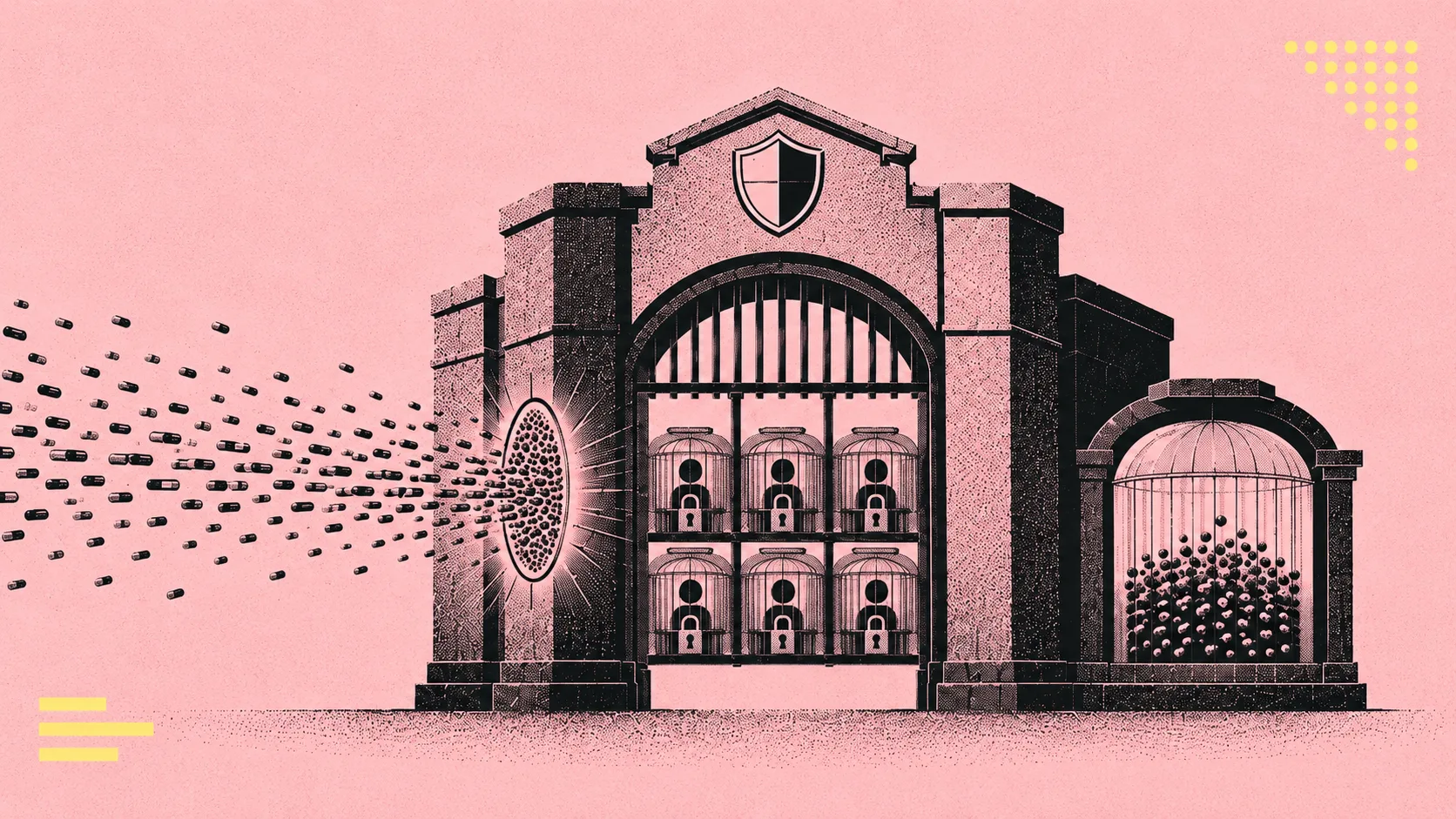
Kraken temporarily restricted some customer accounts after nearly 12,000 tiny crypto transfers triggered compliance reviews across its platform.
The transfers occurred between August 17 and 24, with most transactions worth only cents or a few dollars.
Kraken said the activity appeared designed to distribute sanctioned funds across unrelated accounts and trigger compliance checks.
Kraken temporarily locked affected accounts after its anti-money laundering and sanctions systems flagged the incoming transfers. However, the exchange later restored customer access after reviewing the transactions and determining the circumstances surrounding each account.
The exchange continues holding the disputed funds separately because they may involve sanctioned entities under applicable requirements. Meanwhile, Kraken is coordinating with relevant authorities while monitoring additional transfers.
Kraken described the incident as a “dust attack,” although the campaign differs from traditional dusting tactics. Instead of primarily targeting wallet privacy, the activity appears designed to exploit cryptocurrency compliance procedures.
Public blockchains allow external parties to send assets to addresses without recipients approving those transactions beforehand. Therefore, malicious actors can potentially create compliance problems for customers simply by sending restricted assets.
The scale of the transfers also created an operational challenge for Kraken. Nearly 12,000 transactions required screening, potentially increasing compliance workloads while affecting customers who did not intentionally interact with sanctioned funds.
🚨𝗝𝗨𝗦𝗧 𝗜𝗡: Kraken temporarily locked some customer accounts after nearly 12,000 tiny crypto transfers from a wallet linked to sanctioned exchange HTX triggered compliance checks. pic.twitter.com/kpE9pSF2LB
— DustyBC Crypto (@DustyBC) August 25, 2026
Blockchain analytics firm Arkham Intelligence identified the sending wallet as connected to HTX, formerly known as Huobi. However, wallet attribution does not necessarily establish who controlled the address when the transfers occurred.
HTX denied initiating the transactions and said it was investigating possible address misattribution or malicious third-party activity. Consequently, the identity and motive of the sender remain unresolved.
The incident carries additional significance because sanctions involving HTX-related entities recently intensified. The European Union’s restrictions concerning Huobi Global S.A. took effect on August 23, shortly before the transfer campaign ended.
The United Kingdom had also designated Huobi Global S.A. under its Russia sanctions regime earlier this year. Those measures included asset-freezing obligations and restrictions concerning transactions involving the designated entity.
Traditional dusting attacks can also expose wallet relationships by encouraging users to combine small deposits with other holdings. Attackers may then use blockchain analysis to map addresses and potentially identify associated owners.
However, the Kraken incident highlights another risk involving compliance poisoning. Unsolicited sanctioned transfers can create regulatory exposure for legitimate users without requiring attackers to compromise exchange systems.
The episode therefore underscores a difficult balance for crypto exchanges. Platforms must enforce sanctions while distinguishing between deliberate transactions and unwanted blockchain transfers that customers cannot prevent.
As investigations continue, attribution remains unresolved. The incident nevertheless demonstrates how permissionless blockchain infrastructure can create new operational challenges for regulated cryptocurrency platforms and their customers.
Related News
Explore more