 Bilal Hassan·4d ago
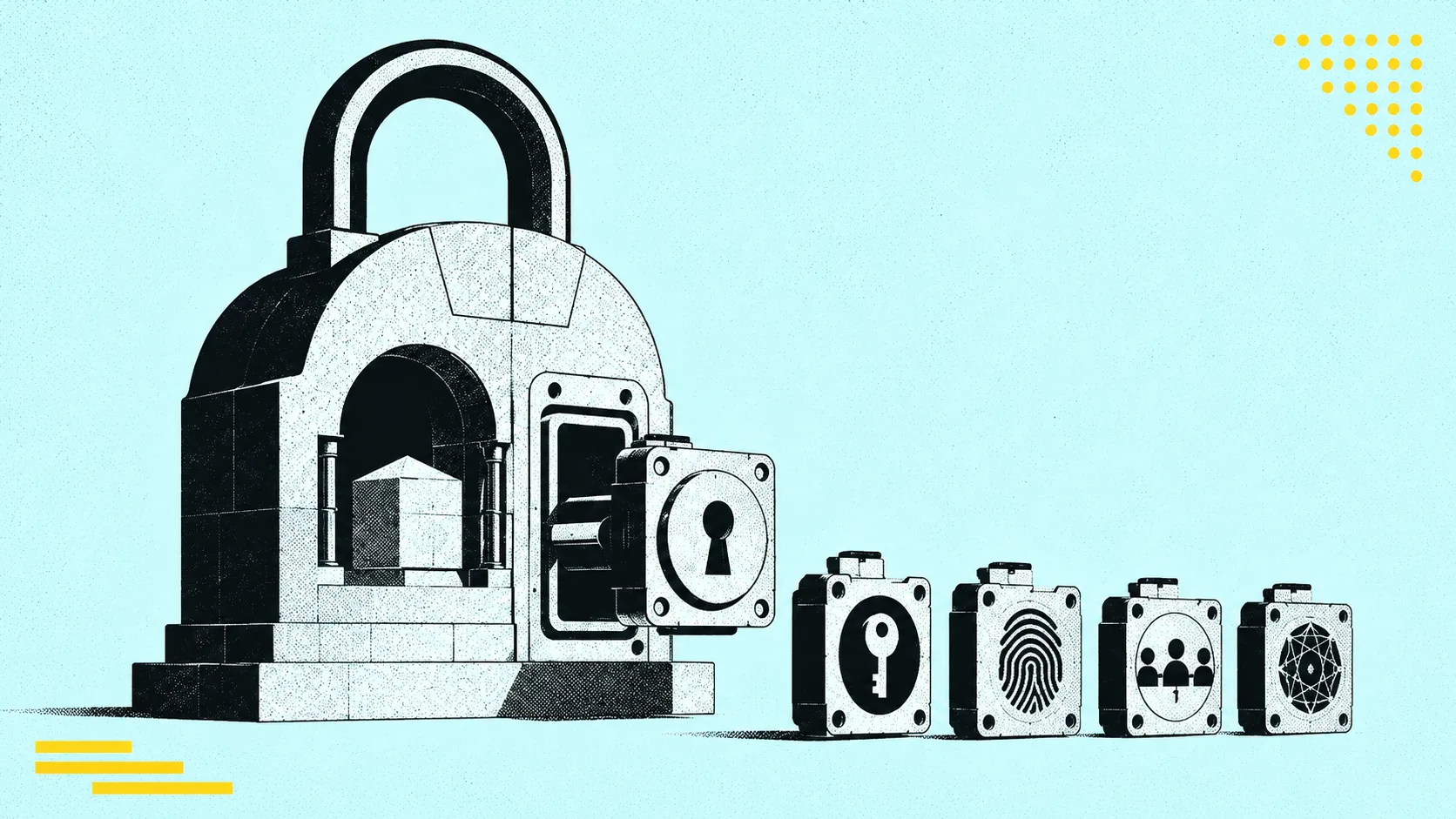
Monad has unveiled an account upgrade that could let users replace authentication keys while keeping existing addresses and assets intact. The proposal targets key recovery, passkeys, multisignature controls, and quantum-resistant authentication without forcing users to migrate funds between separate wallets.
Monad published its Flexible and Upgradeable Account Authentication proposal, authored by researchers Kushal Babel and Jan Camenisch, outlining a new model that separates account addresses from transaction credentials. The draft would allow users to add, rotate, or retire authentication methods without changing their existing addresses.
Under the design, users could add, rotate, or retire authenticators while preserving the same blockchain address during future security changes. That separation could reduce disruption from lost private keys, because replacement credentials would not require transferring tokens to another wallet.
Moreover, users could configure multiple authentication methods, creating additional recovery options while maintaining a consistent blockchain account identity over time. Passkeys could become another supported authentication method, allowing authentication through smartphones or computers if implementation eventually proceeds successfully across Monad.
The architecture could also support multisignature controls, enabling trusted parties to participate in account recovery or transaction authorization processes securely.
For instance, two designated parties could jointly authorize a replacement credential when the original authentication method becomes unavailable to users.
A new MIP has been published: Flexible and Upgradeable Account Authentication
Accounts can change their keys without changing their address
This lets accounts upgrade to quantum-resistant schemeshttps://t.co/Ajhnr3zwST
— Monad (@monad) August 24, 2026
The proposal also addresses quantum computing risks, which could eventually threaten cryptographic systems currently securing blockchain accounts and transactions globally.
Quantum-resistant authentication would allow users to upgrade their security model without abandoning addresses connected to assets, applications, and existing services.
This approach could become increasingly relevant as blockchain developers examine post-quantum standards and prepare for potential advances in computing capabilities.
Monad’s design reportedly supports multiple authentication schemes, including conventional signatures alongside newer methods intended for stronger long-term security standards worldwide.
A proposed AuthConfigManager precompile would manage authentication changes, while a three-block delay could provide protection against immediate unauthorized account takeovers.
New accounts could derive addresses from configuration data, while existing accounts could retain their addresses when authentication settings eventually change.
Therefore, applications relying on stable wallet addresses could avoid additional operational work associated with security migrations and address replacements entirely.
Monad launched its mainnet in November 2025 after raising $244 million, including a $225 million Series A led by Paradigm.
The network uses parallel execution and superscalar pipelining, while maintaining Ethereum compatibility for developers building decentralized applications and supporting infrastructure.
However, the authentication proposal remains an early draft and requires technical specification, review, implementation, and broader consensus before potential adoption.
Related News
Explore more