 Peter Mwenda·3d ago
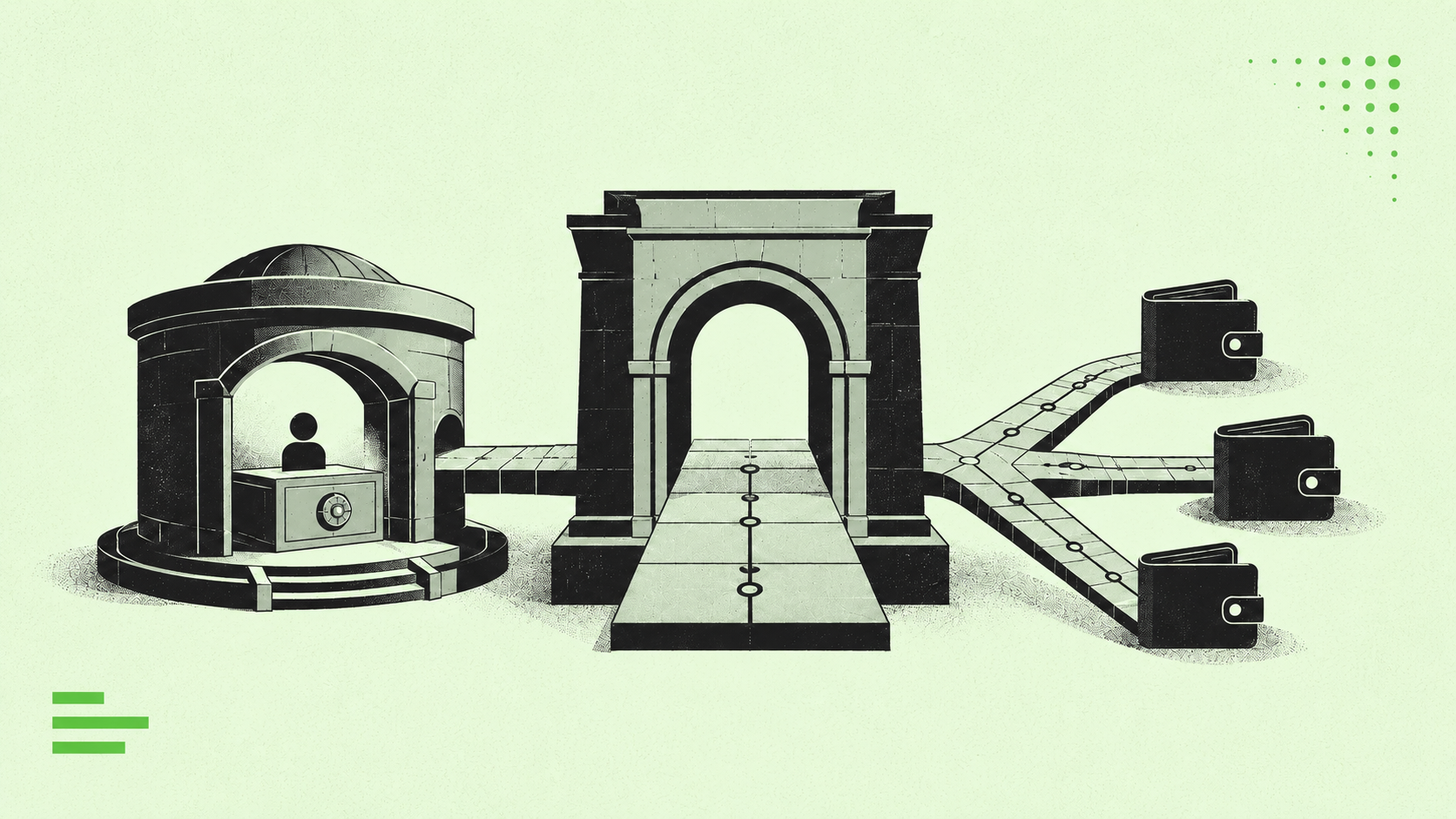
Russia shifts foreign stablecoin freeze risks to investors as new crypto rules expand reporting, testing, and oversight across the digital asset market.
Russia estimates 20 million crypto users hold RUB 3.7 trillion, while new rules expand oversight of digital asset activity. Under the new Russian cryptocurrency legislation, the country will impose penalties on investors for freezing foreign stablecoins. Deputy Finance Minister Ivan Chebeskov said the country has about 20 million crypto users.
According to TASS, Russian citizens hold roughly RUB 3.7 trillion ($44 billion) in cryptocurrency and related products. Meanwhile, daily cryptocurrency transactions total about RUB 50 billion ($595 million).
Russian tax residents are required to declare transactions with cryptocurrencies that are not part of the regulated system, Chebeskov said. The requirement will also be applicable to transactions with addresses that are not controlled by Russian digital depositories.
Moreover, foreign issuers may also make foreign stablecoins like USDT or USDC unstable, which can result in investors losing their assets. These losses would not necessarily fall on a Russian depository.
Related reading: Hong Kong Expands Stablecoin Settlement for Funds
According to the rules adopted, Russian depositories continue to record, store and transfer digital assets. They need to keep proper records and ensure that the client’s assets are not disposed of without permission.
Foreign issuers are subject to laws in their home country, however. So, if an overseas issuer blocks an asset, the Russian depository wouldn’t automatically pay investors.
The regulatory approach was developed over a period of over 10 years of discussions, Chebeskov said. Authorities began with a prohibition policy and then progressed to some regulation and experimental policies.
Later, Russia adopted an experimental legal regime for certain activities with digital currency. Now, the authorities are taking steps towards a more thorough regulation of cryptocurrencies.
The government also reduced the proposed capital requirement for independent crypto exchanges. The minimum requirement was reduced from RUB 30 million to RUB 15 million.
However, Chebeskov differentiated this activity from the normal transactions of citizens with their own cryptocurrency. Partly, the classification would be based on profits made or damage done.
The framework will also include tax reporting. Residents are required to report the relevant transactions within 180 days of the Federal Tax Service’s approval of the reporting procedures.
The stablecoin issue has become prominent because foreign issuers can control the blockchain-based assets. Earlier, Tether had frozen USDT worth $28 million that was linked to sanctioned Russian exchange Garantex.
As such, the Russian authorities consider issuer-controlled stablecoins to be a threat not only to the crypto market but also to the country’s financial system. These risks can also occur even if assets are still on blockchain networks.
Investors who use the potentially blockable cryptocurrencies would need to meet further requirements, Chebeskov said. Qualified investors are required to take a test and verify their comprehension of the relevant risks.
The proposed framework would also subject non-qualified investors to testing. Their purchases through one intermediary would be limited to RUB 300,000 annually.
Furthermore, Russia has not yet finalized a separate framework for stablecoins that can be used domestically. The Finance Ministry and Bank of Russia are considering various models and their risks.
Authorities also seek more information on cryptocurrency activity within Russia. The majority of the market is currently outside the regulated market, and accurate measurement is difficult.
The new system may offer more information regarding cryptocurrency possession and activity. Meanwhile, foreign stablecoin bans may continue to be a significant threat to Russian investors.
Russia’s crypto holdings, which have been estimated at $44 billion, serve as a testament to the size of that exposure. As regulation evolves, investors will have to become familiar with the risks that are not covered by domestic protections.
Related News
Explore more