 Samuel·1d ago
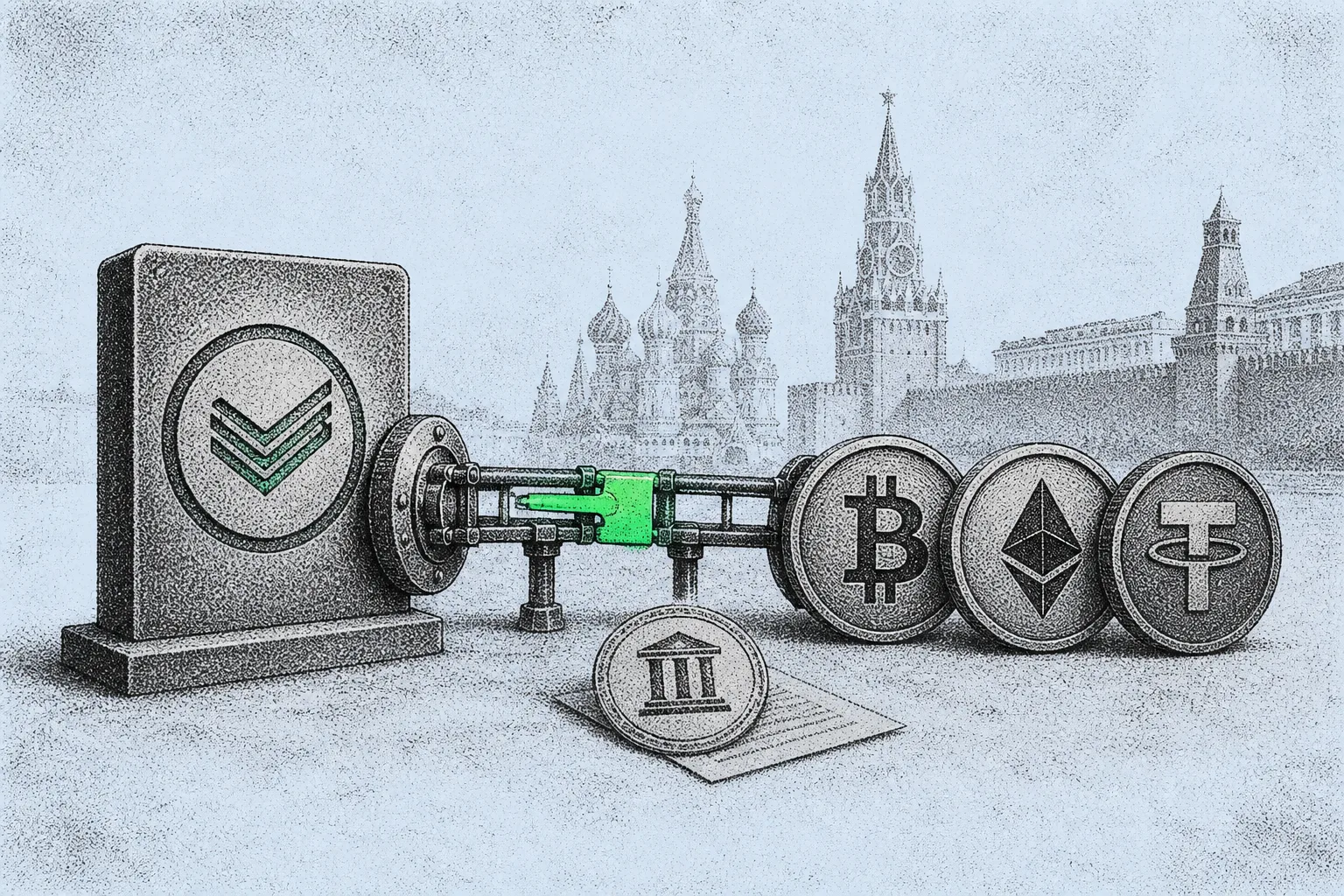
Prominent Russian financial institution Sberbank plans to accept Bitcoin, Ethereum, and USDT as loan collateral as Russia prepares a new cryptocurrency regulatory framework that takes effect from September 1, 2026.
Russia’s largest bank intends to expand crypto-backed lending beyond Bitcoin to Ethereum and Tether’s USDT. Ethereum and USDT collateral will still require approval from the Bank of Russia for public circulation.
Sberbank Deputy Chairman Anatoly Popov said the bank already has practical experience working with digital assets and plans to adapt existing lending products once Russia’s new regulations fully take effect.
The bank currently plans to support Bitcoin-backed lending before expanding collateral options to Ethereum and USDT. Popov said Sberbank had prepared for the regulatory changes and would gradually expand its digital asset services.
The bank has not yet disclosed specific loan terms, collateral ratios, fees, or customer eligibility requirements.
Sberbank previously tested Bitcoin-backed lending with Russian mining company Intelion Data. The pilot gave the bank practical experience with cryptocurrency custody, collateral monitoring, and lending procedures, according to Wu Blockchain.
The latest proposal could allow businesses to access financing without immediately selling their digital asset holdings. Market volatility could still create additional risks for borrowers and lenders.
Russia’s new cryptocurrency framework is scheduled to take effect on September 1, creating regulated channels for digital asset transactions. The Bank of Russia will oversee eligible assets and participating financial intermediaries under the framework.
The move builds on earlier steps that allowed select Russian banks to offer regulated crypto services under tighter central bank supervision.
Non-qualified investors will face annual purchase limits of 300,000 rubles through each intermediary after completing mandatory knowledge testing. Qualified investors will receive broader access to eligible digital assets.
The Central Bank has also considered Bitcoin, Ethereum, and USDT for trading on regulated platforms. The assets reportedly meet proposed criteria involving market capitalization, trading activity, and established overseas price histories.
Even so, cryptocurrency will not become a domestic payment method under the new framework. Russian businesses cannot generally use digital assets to pay for goods and services domestically.
At the same time, approved cryptocurrency transactions could support certain cross-border settlements. That distinction highlights Moscow’s approach of regulating digital assets while maintaining restrictions on domestic crypto payments, a pattern that fits the broader crypto regulation debate across major economies.
Sberbank is also preparing cryptocurrency infrastructure, including a planned digital depository targeted for December 1, 2026. The system could support custody and transaction services as Russia develops its regulated crypto market.
For now, Sberbank’s expanded collateral plans remain conditional on regulatory approval. The bank must still establish operational requirements before Bitcoin, Ethereum, and USDT-backed loans become broadly available.
Related News
Explore more