 Samuel·3d ago

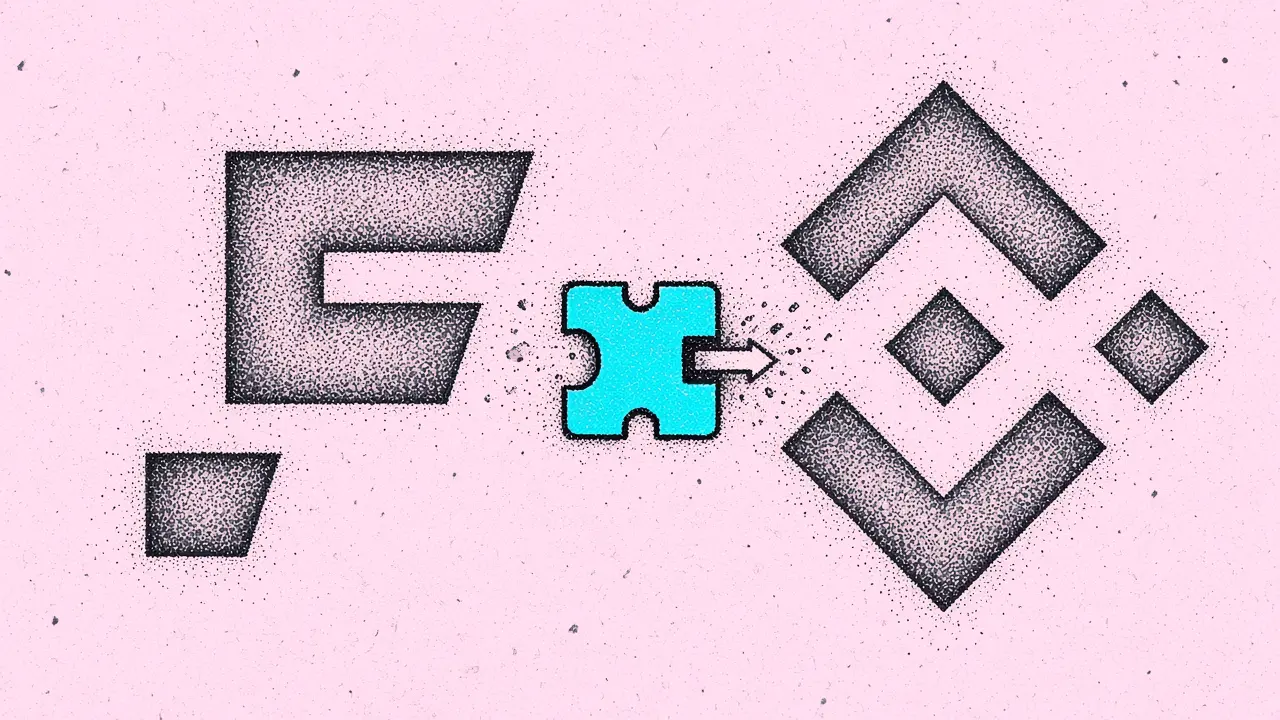
The FDUSD freeze after Binance’s security incident is now on the record from the issuer. First Digital CEO Vincent Chok confirmed the firm froze stolen FDUSD and is coordinating with the exchange to stop those tokens from moving further. On-chain monitors said First Digital had already blacklisted an attacker-linked address holding roughly 3.4 million FDUSD.
That is a small slice of a much larger event. It is also the part that shows how a fiat-backed stablecoin actually works when stolen dollars try to leave.
Blockchain analyst Specter linked a wallet holding about 3.4 million FDUSD to the Binance attacker, TokenPost reported. First Digital then blacklisted that address, freezing the balance in place.
In a separate update, Chok said First Digital froze FDUSD taken in the attack and is working with Binance to protect holders and stop further transfers of the stolen tokens, TokenPost reported. He framed holder security as a shared job for both parties. He said more detail would follow as the joint response produces progress.
Notice what moved here. Not a court order first. An issuer control. The token can still say “one dollar” on the screen while a named address can no longer spend it.
In its Security Incident Update, Binance said its early investigation suggests a compromised DevOps engineer’s laptop may have let an attacker reach a service container and submit unauthorized withdrawals. The exchange said it has found no evidence of a wallet private-key leak. The case sits with other large crypto hacks where stolen balances only stop when issuers or partners can intervene.
Binance put the estimated impact near $6.3 billion. It said it has worked with blockchain partners to freeze affected assets, with about $3 billion frozen on-chain so far. Binance also said it will cover losses from its SAFU fund and company funds. It said user funds are safe. Deposits and withdrawals were temporarily suspended while checks continue.
The 3.4 million FDUSD figure and the $6.3 billion figure answer different questions. One is a frozen balance on a specific address. The other is Binance’s estimate of the incident’s total impact.
Here is the recurring question this story presses: when a token is meant to track a dollar, who can still stop that dollar mid-flight?
A blacklist does not prove the reserves are broken. It proves the issuer kept a kill switch. For holders who treat FDUSD as cash that lives on-chain, that switch is both the recovery tool and the trust trade. You get a token that can be halted. You also get a token that can be halted.
First Digital’s move sits inside a wider freeze cascade after the Binance drain. Larger issuers can freeze far bigger balances. A mid-tier dollar token freezing a few million still matters. It shows the same design outside the usual USDT and USDC headlines. The promise of a dollar token includes administrative control when an attacker’s wallet lights up.
Unknowns remain. Public reporting so far does not spell out every frozen FDUSD address. It does not map the exact recovery path for blacklisted balances. It also does not say how much stolen FDUSD, if any, already moved before the block. Chok tied further updates to progress with Binance.
The peg promise is still the same question it always was. This week’s answer is about who can freeze the tokens that make that promise.
Related News
Explore more