
 Bilal Hassan·1d ago
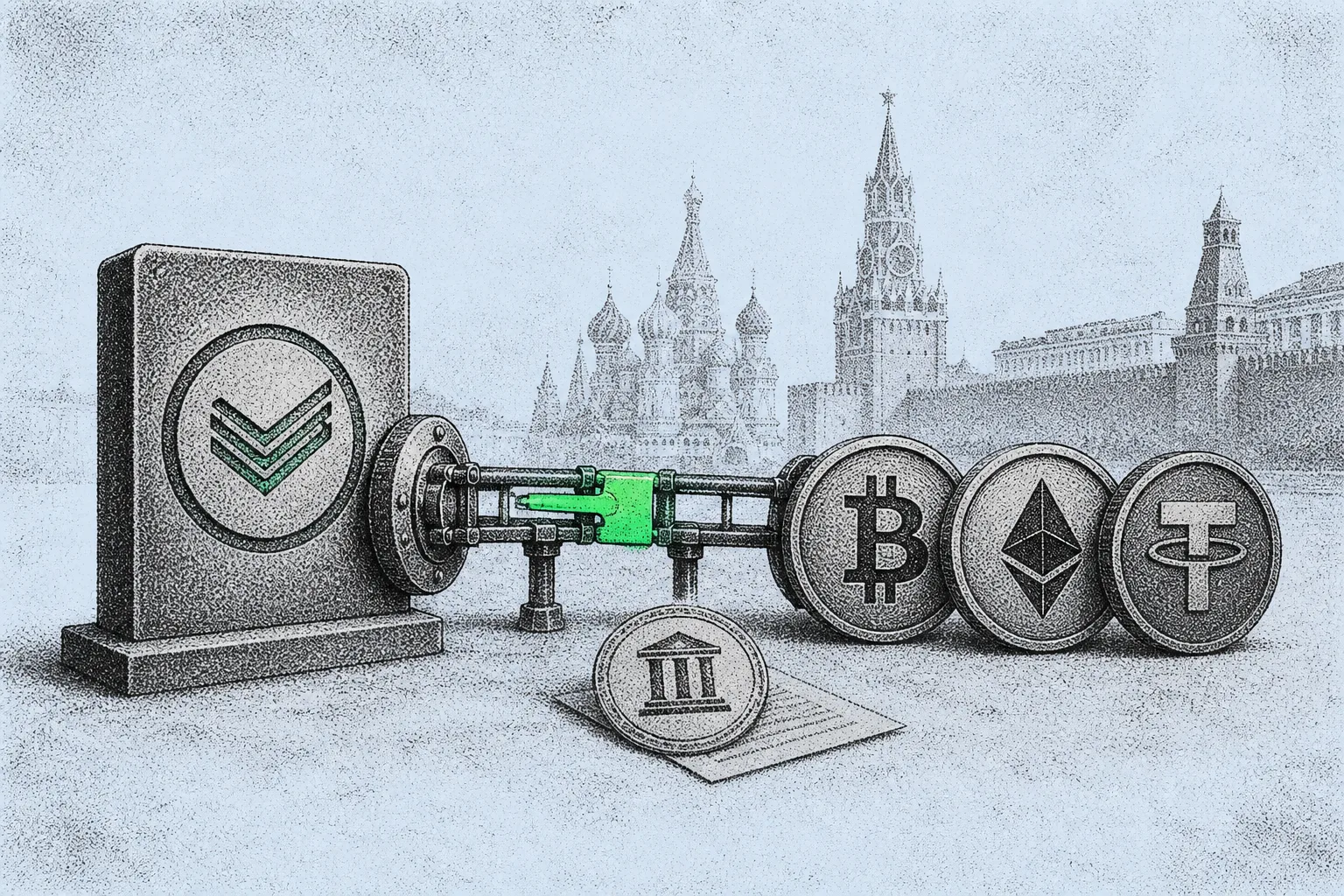
Russia will prohibit direct peer-to-peer (P2P) cryptocurrency trading between individuals from July 1, 2027, requiring residents to use authorized intermediaries. The Bank of Russia has also clarified restrictions on transfers from regulated digital accounts to personal self-custody wallets.
The Bank of Russia outlined the restrictions in guidance updated on Oct. 12, citing Article 30 of Federal Law No. 282-FZ. Direct cryptocurrency transactions between individuals will remain permitted until June 30, 2027.
After that deadline, residents must buy and sell digital assets through licensed brokers or registered cryptocurrency exchange operators. The framework places crypto transactions within a regulated system supervised by the central bank.
The changes follow Russia’s broader cryptocurrency regulatory framework, which took effect on Sept. 1, 2026. The rules establish requirements for trading platforms, custodians and investor access while allowing existing businesses time to secure approvals.
Several institutions have already entered the regulated market. VTB, Zefir, Sistema Crypto and T Invest Lab were identified among the initial registered exchange operators. Meanwhile, Sberbank and other institutions have moved toward providing cryptocurrency custody services.
The restrictions could significantly change how Russian traders access digital assets. Users who previously exchanged cryptocurrencies directly with other individuals will need to rely on approved service providers.
The central bank has also clarified that individuals cannot transfer cryptocurrency from regulated digital accounts into their own noncustodial wallets. These wallets allow users to control their private keys without relying on a custodian.
The restriction concerns transfers from regulated accounts rather than ownership of personal wallets themselves. The guidance also addresses transfers between individuals through address identifiers administered by digital depositories.
Meanwhile, cryptocurrency purchases remain possible through authorized intermediaries, subject to investor classifications and applicable limits. Non-qualified investors must complete an assessment and can purchase eligible cryptocurrencies worth up to 300,000 rubles annually through each intermediary.
Qualified investors face testing requirements but do not have the same annual purchase ceiling under the framework.
Russia continues to prohibit cryptocurrency payments for domestic goods and services. However, businesses can use digital assets for qualifying cross-border trade transactions under applicable rules.
Financial institutions are also preparing new services. Sberbank plans to introduce cryptocurrency products, while Moscow Exchange has announced plans to enable cryptocurrency transactions from Dec. 1, 2026.
The July 2027 deadline therefore marks another stage in Russia’s shift toward supervised cryptocurrency trading. Traders will need to adapt to approved intermediaries and the separate restrictions governing transfers from regulated accounts.
Related News
Explore more