 Samuel·October 14, 2026
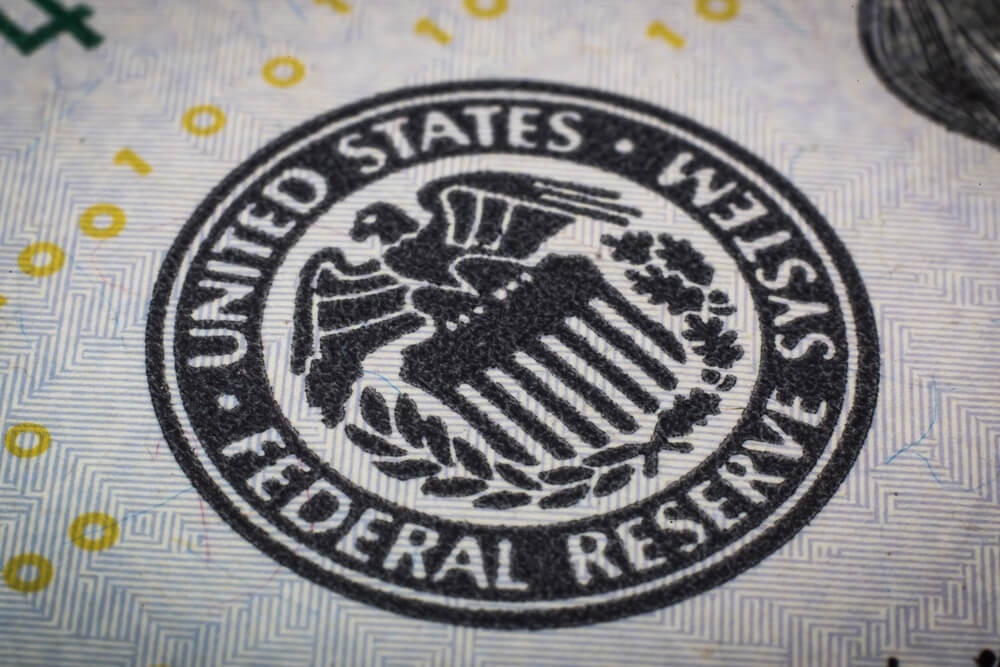
Kevin Warsh says AI could lower inflation pressure, lift productivity and wages, and shape future Fed rate cut expectations.
Fed Chair Kevin Warsh said artificial intelligence could help reduce inflation pressure by lifting productivity and wages.
The remark has raised debate over whether AI-driven gains could give the Federal Reserve more room to consider interest rate cuts in the future.
Kevin Warsh said on CNBC that “AI is a significant disinflationary force, boosting productivity and wages,” according to the statement provided.
The remark placed artificial intelligence inside the wider debate over inflation, growth, and monetary policy.
HUGE:
🇺🇸 NEW FED CHAIR KEVIN WARSH ON CNBC:
"AI is a significant disinflationary force, boosting productivity and wages."
Translation: if AI productivity drops inflation, rate cuts are back on the table. pic.twitter.com/YJ2E0x2vne
— Crypto Rover (@cryptorover) May 24, 2026
Warsh’s comment suggests that AI may help companies produce more with fewer cost pressures.
Higher productivity can reduce the cost of goods and services over time. It can also support wage growth, if firms share productivity gains with workers.
The Federal Reserve tracks inflation, employment, wages, and broader demand before changing interest rates.
If AI helps cool inflation without hurting jobs, policy makers may have more flexibility. Rate cuts can become easier to consider when inflation moves closer to target.
Still, one comment does not set policy. The Fed normally depends on data over several months.
Officials also review labor conditions, consumer spending, credit markets, and inflation expectations.
The remarks were quickly linked by traders to the future path of interest rates. Lower inflation readings can support the case for rate cuts.
That is because the Fed can ease policy when price pressure becomes less persistent.
Markets often react to changes in expected Fed policy. Stocks, bonds, crypto, and the dollar can move when rate cut odds change.
Lower rates can reduce borrowing costs, and they can also lift risk appetite. The statement has led some market watchers to focus on AI as a macro factor.
Investors already track AI through earnings, capital spending, chips, cloud services, and software demand.
Warsh’s remark adds another layer, because productivity gains can affect inflation data. However, the market response will depend on incoming numbers.
Monthly inflation reports, payroll data, and wage data remain central. Fed officials may also seek proof that AI gains are broad and lasting.
Read Also:
Kevin Warsh to Replace Jerome Powell as Fed Chair This Friday
The Fed’s rate decisions are not based on technology trends alone. Officials need evidence that inflation is slowing in a durable way.
They also need to see whether wage growth matches productivity growth. AI could help reduce costs in some sectors, but the effect may take time.
Firms need to invest in systems, training, and infrastructure. Some industries may benefit sooner than others.
Rate cuts would likely depend on a mix of softer inflation and stable labor data.
If inflation falls while employment remains strong, the Fed may have more room to adjust policy. If inflation stays high, rate cuts may remain limited.
🚨 BREAKING:
🇺🇸 NEW FED CHAIR KEVIN WARSH SAID ON CNBC:
"AI IS A SIGNIFICANT DISINFLATIONARY FORCE, BOOSTING PRODUCTIVITY AND WAGES."
THIS MEANS THAT RATE CUTS IS POSSIBLE IF AI-DRIVEN PRODUCTIVITY DROPS INFLATION
IF THIS HAPPENS, MARKETS WILL EXPLODE!! pic.twitter.com/joz0os3MjS
— ᴛʀᴀᴄᴇʀ (@DeFiTracer) May 24, 2026
Warsh’s statement has put AI productivity back into the policy discussion. For now, markets are watching whether the data supports that view. The next inflation and jobs reports may shape expectations for future Fed action.
Related News
Explore more