 Varun Satyam·3d ago

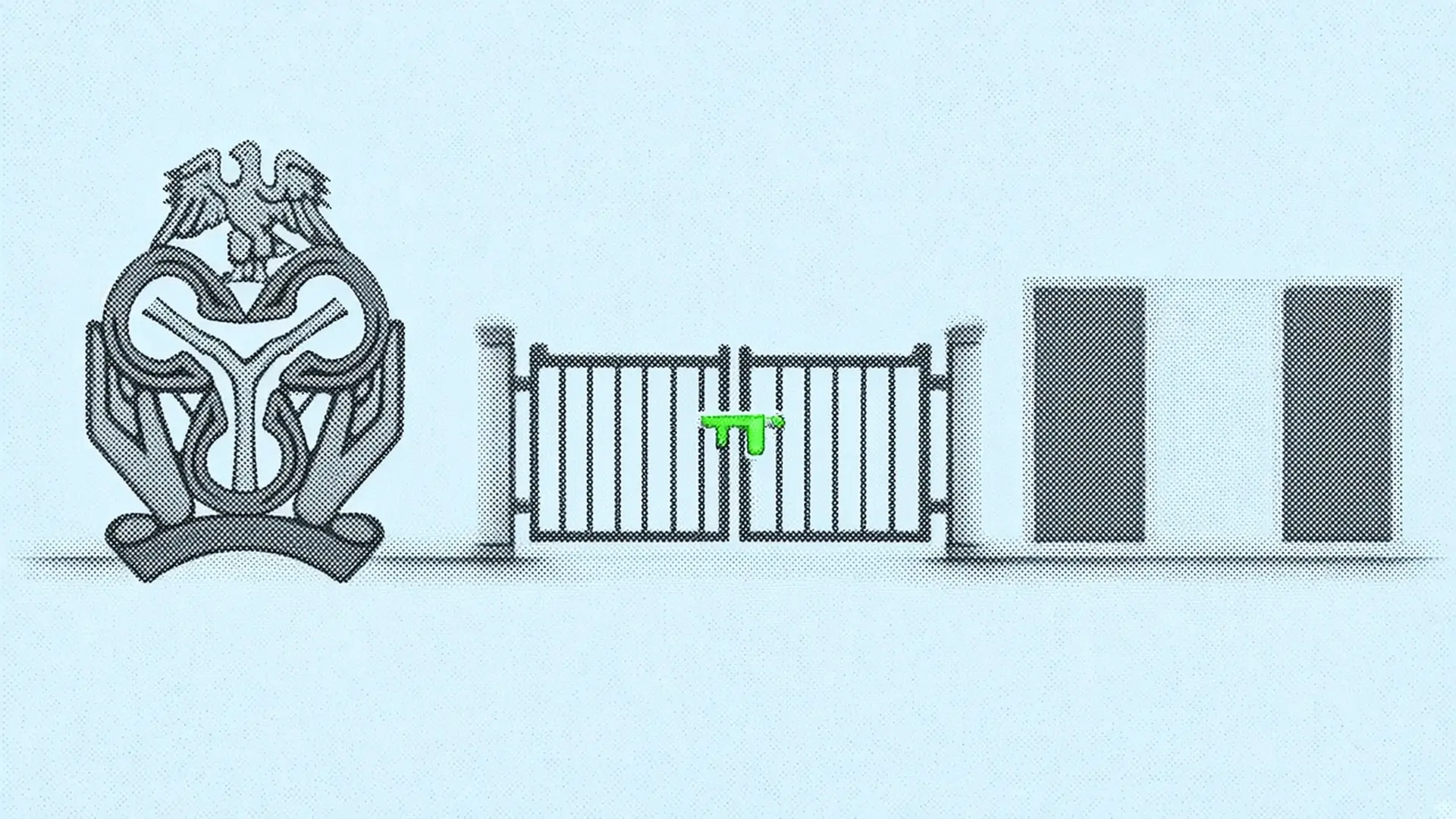
The Central Bank of Nigeria (CBN) has set an N15 billion paid-up capital floor for Class 2 foreign-currency stablecoin issuers. That CBN stablecoin capital requirement sits in its Regulations for the Operations of Non-Security Virtual Assets in Nigeria (November 2026). Dollar tokens such as USDT and USDC can reach Nigerian users only through a Nigerian company that holds a Class 2 issuer licence and Token Approval. A foreign licence or a local middleman deal does not replace that gate.
That is the plain read. Abuja is not asking who already mints a dollar token offshore. It is asking who will stand behind Nigerian sales with local capital, full reserves, a 2% buffer, and next-day redemption.
Section 15.2 sets the Class 2 floor. A Class 2 Licensed Issuer must hold at least fifteen billion naira (N15,000,000,000) in paid-up capital. The Bank may raise that amount later. The floor applies on day one and at all times after. Class 1 naira issuers face a lower floor of N10 billion under Section 15.1. Other non-security virtual-asset service firms face N1 billion under Section 16.1. Section 15.3 closes the offshore shortcut. There is no foreign-issuer pass on local company status, licensing, or capital.
Section 6.5 hardens market access. Every Class 1 issuer must be a Nigerian company. A foreign-currency stablecoin may reach people in Nigeria only as a Class 2 Stablecoin. It must be issued through a Nigerian company that holds a Foreign Currency Issuer Licence. Token Approval is required. Licensees may not offer an unapproved stablecoin.
Capital sits apart from the reserve stack. Regulatory capital stays separate from issuer reserves, the Class 1 CBN reserve deposit, customer funds, and operating cash. Class 2 issuers must also keep Operational Liquidity for Nigerian redemptions and related debts, including in a stress event. That cash does not count toward the 2% extra buffer.
Section 24 requires a Reserve Pool at all times. Its value in the reference currency must equal or exceed the face value of all stablecoin debts. The match is daily, not only on report dates. Backing is one-to-one. New tokens may not be minted until matching Eligible Reserve Assets are already in the pool. Section 24.4 adds an extra buffer of at least two per cent (2%) of circulating face value. The buffer covers reserve price losses and accrued operating costs. It may not be released without prior Bank approval.
Redemption is a hard clock. Section 23.2 gives holders a firm right to redeem at face value, subject only to stated exceptions. Section 23.3 requires systems and reserve cash to redeem at face value in the reference currency by the end of the next Business Day after a valid request. In a Stress Event, the Bank may allow more time. That window may not exceed five Business Days, or any shorter legal cap. Standard redemptions carry no fee.
The package also bans algorithmic stablecoins that lean on supply games instead of full eligible reserves. It bars tokens sold as stablecoins that lack a firm face-value redemption right. Tokens can be labeled Systemic Stablecoins when circulating naira value exceeds N500 billion for thirty straight days. The same label applies when more than five million people in Nigeria hold or use them. That label brings tighter oversight.
Here is the recurring question the rule presses. When a private dollar token says it is worth one dollar in Nigeria, who may make that promise, and with what balance sheet behind it?
Capital is not the peg. Reserves are. But a N15 billion paid-up floor, a Nigerian company, and Token Approval raise the cost of showing up as a Class 2 issuer. That filter hits before the reserve test even begins. The 100% Reserve Pool plus the 2% buffer then locks circulating supply to eligible assets with a small loss cushion. Next-business-day face-value redemption, with no standard fee, turns the peg into a duty on a Nigerian clock. It is no longer only a marketing line on a global white paper.
The pattern rhymes with other capital gates for private issuers. That includes Taiwan’s recent NT$300 million stablecoin capital floor for nonbank mints. Nigeria’s bar is steeper on foreign-currency Class 2 names. It also pairs the floor with a local company rule.
For widely used dollar tokens, the market effect is distribution design, not a ban by ticker. Global minting can continue offshore. Nigerian offer, custody, exchange, and redemption now run through a local Class 2 licence path. Existing operators get a transition window. Section 54 gives one hundred and eighty calendar days from start date to apply for the right licence. Interim limits apply. Operators must register within thirty days. There is no lasting waiver of local company status or issuer licensing for Class 2 setups.
The start date itself is set in the Bank’s issuing note under Section 56. Until licences and Token Approvals land, the bar is clear even if every applicant path is not. Foreign-currency stablecoins that want lawful Nigerian rails need local capital at the Class 2 floor. They also need full reserves with a 2% buffer, and redemption by the next business day. The peg promise is still the same question it always was. Nigeria’s answer starts with who may issue it onshore.
Related News
Explore more