 Bilal Hassan·2d ago

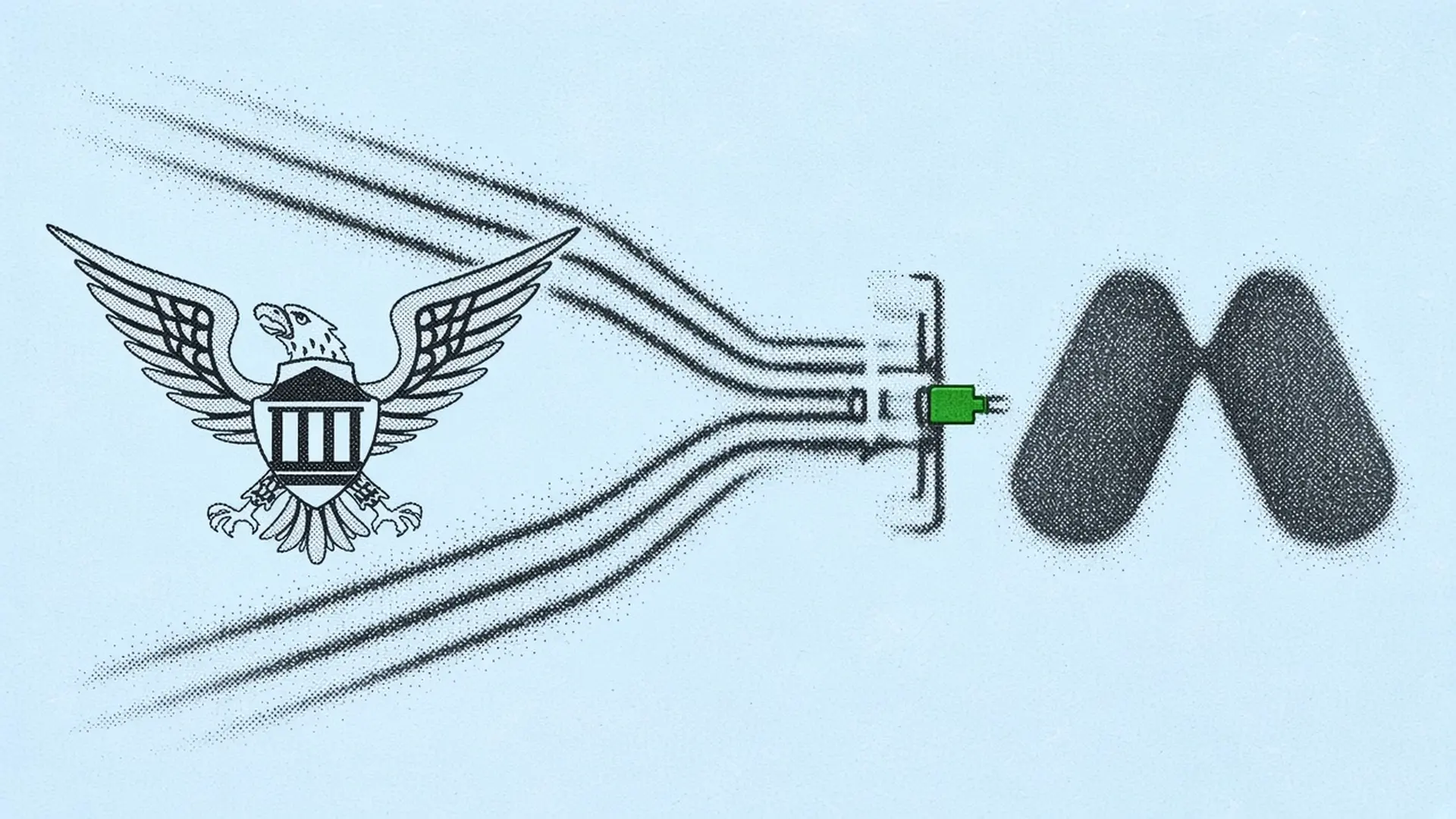
A FinCEN MEXC Global order issued on November 6, 2026, cuts the crypto exchange off from the US financial system. The Treasury Department cast the step as part of Operation Economic Outcast. US banks and other financial firms may no longer process funds that involve MEXC. Treasury says the platform helped move at least $16 billion in illegal flows tied to Iran, North Korea, and Russia.
The FinCEN Section 9714(a) order uses a Combating Russian Money Laundering Act special measure. It bans any US financial firm from sending or receiving funds for MEXC Global. Breaks may bring civil or criminal penalties. Bank Secrecy Act duties stay in force, including suspicious activity reports. OFAC sanctions rules also stay the same. The order takes effect 30 days after Federal Register publication.
Treasury calls MEXC Global a crypto exchange founded in 2018. As of September 2026, FinCEN said daily volume topped $1 billion. Reserves stood near $5 billion. The venue ranked among the world’s top 20 crypto exchanges. It offered trading across more than 50 currencies and more than 3,000 tokens.
Between May 2021 and May 2026, FinCEN says MEXC moved at least $16 billion tied to sanctions evasion, cybercrime, and other illegal activity. The Russia track alone includes nearly $1.5 billion linked to Russian sanctions evasion. Direct deals with US-, EU-, and UK-sanctioned actors reached $232 million. FinCEN said MEXC still dealt with sanctioned Russian exchange Garantex and successor Grinex as recently as June 2026. That was more than four years after OFAC named Garantex in April 2022. The agency also cites at least $26 million that helped the OFAC-sanctioned A7 evasion network. Almost $200 million tied to the A7A5 stablecoin used in that network.
Iran and North Korea sit in the same file. Over the same five-year window, FinCEN said MEXC sent or received about $1 billion with more than 40 Iranian crypto exchanges. Some already face US or international sanctions. It also alleges about $22 million that helped the OFAC- and EU-sanctioned Central Bank of Iran. Another slice ties to the OFAC-, UK-, and EU-sanctioned Islamic Revolutionary Guard Corps and its Qods Force. Treasury also points to ransomware, scam payments, and darknet market activity.
Treasury Secretary Scott Bessent cast the cutoff as a hard choice for US banking access. Firms cannot back the Iranian regime and keep dollar rails. FinCEN said MEXC claims anti-money-laundering and customer checks. It also bans use from places such as Iran and North Korea. The agency still cites “severe deficiencies” that let banned activity through.
The order is not a listing ban for every global user. It is a rail cut aimed at the US banking system. Once the Federal Register clock runs, US banks and money transmitters may not move funds that involve MEXC. Other covered firms face the same bar. For a large offshore venue that still needs dollar settlement, banking partners, and US dollar on-ramps, that is a hard shock. Spot books can keep running outside the United States. Dollar plumbing inside the United States cannot.
That is why this belongs in crypto regulation coverage rather than a simple exchange outage story. Market-structure bills and agency fights set product rules. Section 9714 special measures decide which platforms may still touch US fund transfers. FinCEN is using an illicit-finance statute, not a securities case. The effect is to price MEXC out of US financial plumbing.
People who tip FinCEN on Bank Secrecy Act or OFAC sanctions breaks can seek awards. Awards apply when tips lead to successful cases with money penalties above $1 million. For readers watching exchange risk, the lasting signal is simple. A top-20 crypto venue with billion-dollar daily volume can lose US fund access on a dated order and a 30-day Federal Register fuse. The alleged $16 billion illegal-flow record already sits in the public Treasury file.
Related News
Explore more