 Nasim Akthar·1d ago

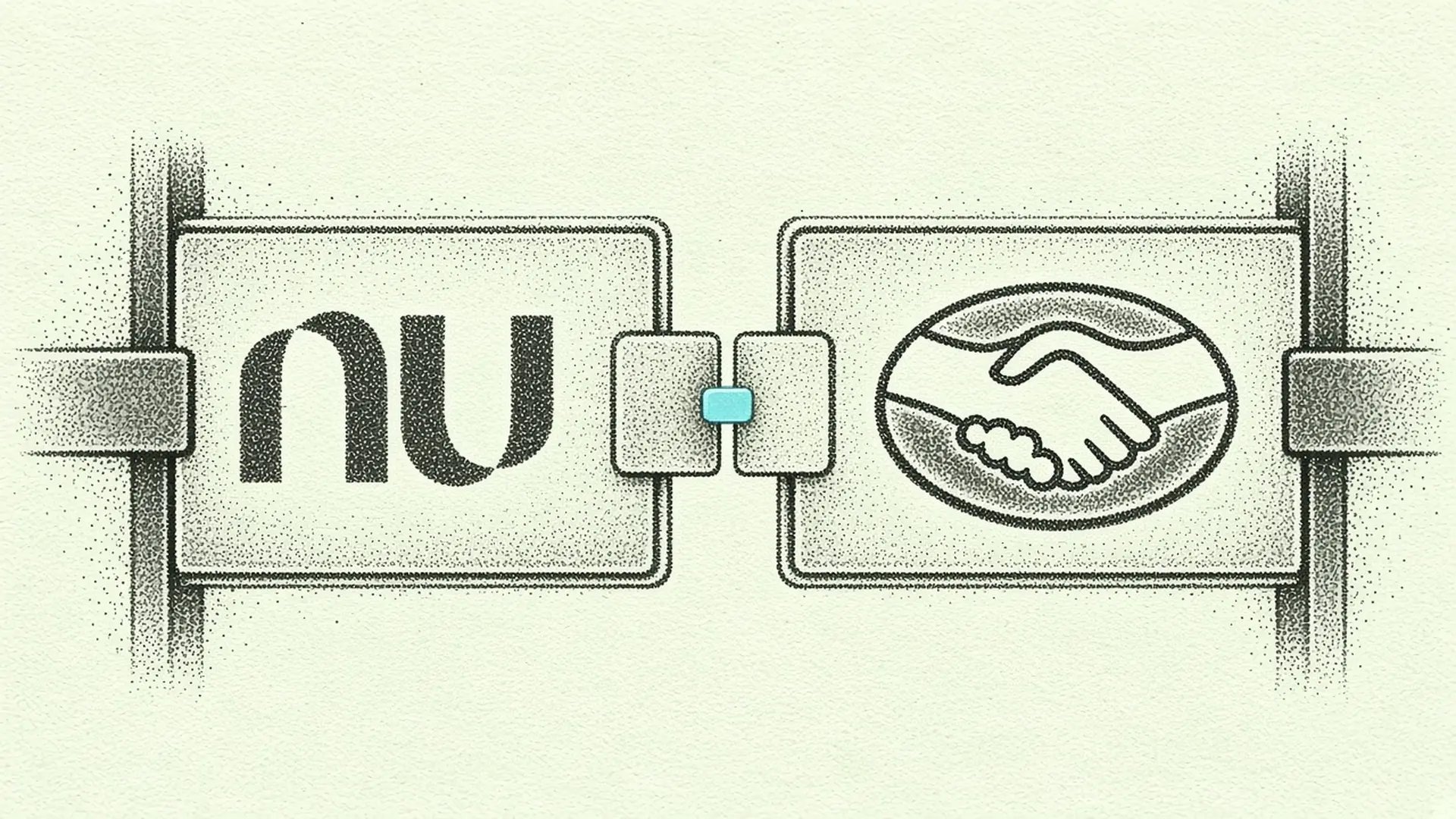
Nubank and Mercado Pago froze key cryptocurrency transfer paths on Friday, November 6, 2026, after external screening and data providers failed. Deposits and wallet moves stalled. In-app buy and sell kept running. The split shows how Latin America's largest retail crypto gateways still depend on third-party crypto transfer screening rails even when the trading screen looks fine.
Brazilian digital bank Nubank told users that crypto withdrawals and deposits were temporarily unavailable because of "instability in an external data provider." In a statement carried by Exame and Veja, the bank said the issue was not on Nubank's own systems. Customer assets and data remained protected, it said, and other crypto products were still working. Transfers would resume only after the supplier's service came back.
Mercado Pago, the payments arm of MercadoLibre, described a different vendor cut of the same problem. Its note said crypto transfer operations were unstable after an incident at a risk-monitoring and anti-money-laundering provider. Some transfers to external wallets were blocked as a protective step. Incoming deposits could also delay, then credit automatically once the service recovered. Buy and sell of virtual assets, the fintech said, continued without impact. A Reuters wire carried by Channel NewsAsia confirmed both freezes. Neither firm named the vendor.
The freeze hit the rails that move coins on and off the apps, not the rails that price and match a trade inside them.
Nubank suspended direct crypto deposits and withdrawals through its app. Trading of cryptoassets stayed available. Mercado Pago blocked part of outbound transfers to external wallets and warned that inbound deposits might lag. Spot buy and sell stayed up. That pattern is the puzzle. Users can still swap fiat for crypto inside the app, yet cannot freely push the same coins to a self-custody wallet or another venue until screening infra answers again.
Neither company identified the external provider. Public notes also leave open whether both firms hit the same vendor or two parallel failures on the same Friday. Custody labels in public materials sit beside the story, not inside the outage claim. Veja notes Fireblocks as Nubank's stated crypto custodian and Paxos as Mercado Pago's. Those names describe where assets sit, not which screening hop failed.
Retail crypto inside a bank or payments app is not one pipe. One path prices and settles a buy or sell against the firm's own inventory or liquidity partners. Another path decides whether an external address or inbound deposit is safe enough to credit or release. That second path leans on outside data: address risk scores, sanctions and AML monitors, and transaction verification feeds. When those feeds wobble, a regulated retail front usually stops the move, not the quote.
That is why these rails matter more than the trading button on a day like this. The catch is structural. On-app crypto can look live while the compliance and data layer that gates self-custody exits is dark. Funds can be "secure" in the company's sense and still be stuck for the user who needs them elsewhere. The AI and blockchain angle is not a model demo. It is the dependency stack. Automated risk monitors and data vendors sit between a retail balance and the open network. When they fail, Latin America's largest consumer gateways choose freeze over free flow.
Both firms said they were working with their suppliers to restore transfers. Until those vendors clear, the mental model is simple. In these apps, buy and sell prove the product still prices crypto. Deposits and external-wallet transfers prove whether the third-party screening layer is actually online.
Related News
Explore more